2030 Children and Adolescents' Five-Health Plan: Oral Health
2030 Children and Adolescents' Five-Health Plan: Oral Health
2026 marks the start of the 15th Five-Year Plan and is a crucial year for advancing the "Healthy China 2030" strategy. The National Health Commission and 13 other departments jointly released the "Action Plan for Promoting the Five-Health of Children and Adolescents (2026-2030)," officially launching the 2030 Children and Adolescents' Oral Health Promotion Action, placing oral health alongside weight, vision, mental health, and bone health as one of the five pillars of children and adolescents' health.
Three Key Guidelines for Jointly Protecting Children's Oral Health
1. Clear Goals: Targeting Two Key Ages, Early Intervention is Key
This plan outlines a "national action roadmap" for children's oral health from three dimensions: achieving goals, responsibilities of all parties, and long-term mechanisms, impacting every child and every family.
The plan directly targets the two high-incidence age groups for dental caries: 5 and 12 years old, specifying the following goals for 2030:
• Control rate of dental caries in primary teeth for 5-year-old children: over 60%
• Control rate of dental caries in permanent teeth for 12-year-old children: over 50%
• Significantly improved coverage of appropriate technologies such as fissure sealants
Key Interpretation: The use of "control rate" rather than "prevalence rate" conveys a strong signal of proactive intervention. This means breaking away from the passive mindset of "treating oral problems only after treatment" and establishing a "prevention first" concept. Children have a golden intervention period for dental care; the earlier attention and prevention are given, the more important it is than waiting until cavities develop before treatment.
2. Reconstructing Responsibilities: Medical, School, and Family Collaboration – Every Role Has a Mission
The policy clearly defines three main responsible parties, constructing a new framework of "medical-school collaboration, family-school co-education, and social co-governance":
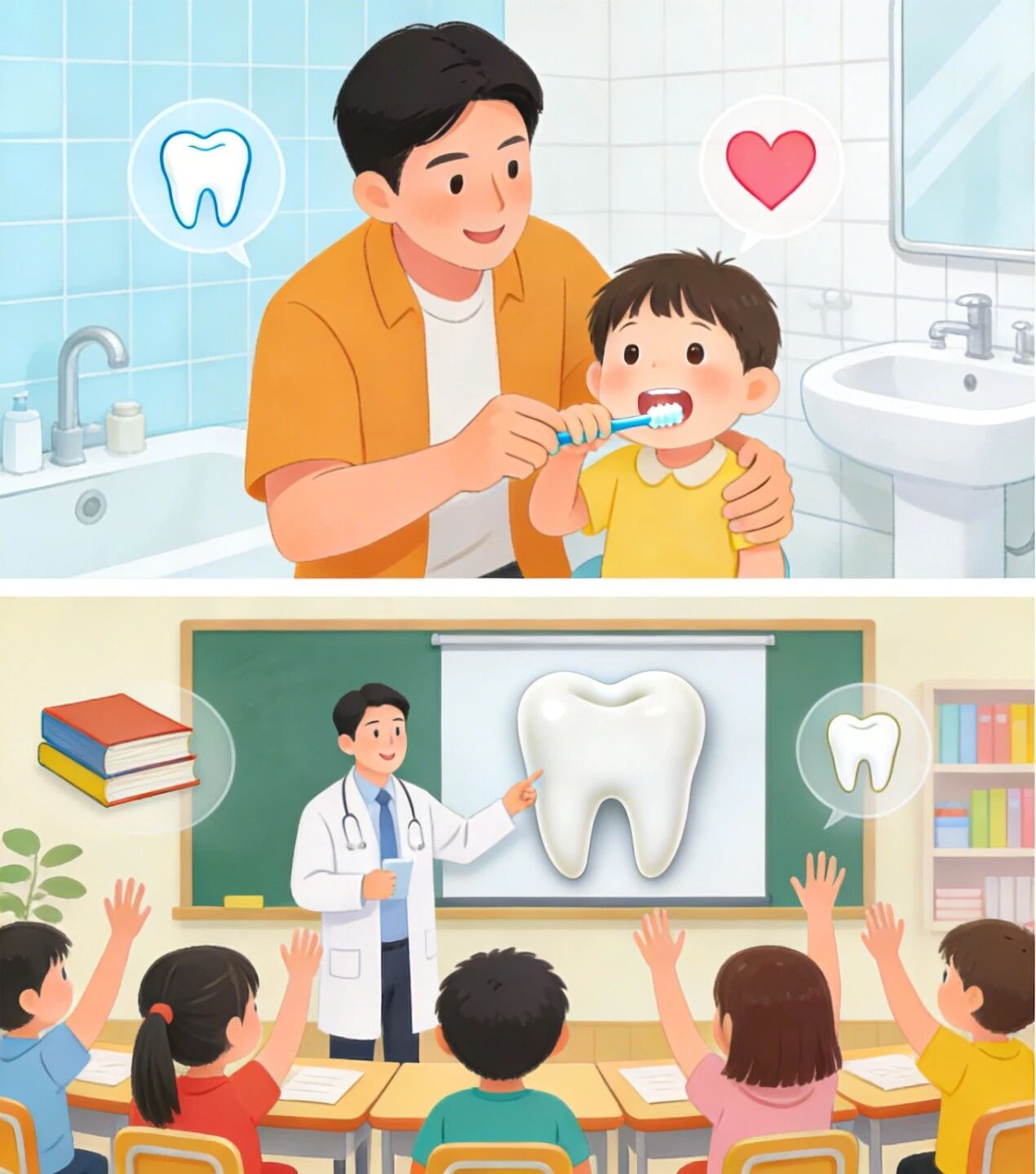
• Parental Protection: Supervising children's daily dental care and learning scientific oral health knowledge.
• Maternal and Child Health Institutions: Responsible for early screening of children aged 0-6 and parent education.
• Primary and Secondary Schools: Responsible for annual checkups and health education for students aged 6-18.
• Dental Institutions: Providing professional technical support and preventative treatment services.
Key Interpretation: Children's oral health is not a one-person responsibility. Parents, families, schools, and professionals must work together to truly safeguard children's dental health. Parents are primarily responsible for their children's oral health. Schools are no longer just "notifiers" but "responsible parties." Dental institutions should proactively connect with schools and maternal and child health institutions, becoming a provider of public health services.
3. Mechanism Innovation: From "Single-Point Service" to "Full-Cycle Health Management"
The policy requires the establishment of electronic oral health records for children, achieving continuous management from age 5 to 12, while simultaneously addressing and protecting oral health alongside vision, bone, and other health issues.
Key Takeaway: A child's health is holistic; oral health is no longer a "minor issue," but rather a routine aspect of care integrated into the entire growth process, ensuring health accompanies children throughout their development.
Fulfilling Social Responsibility, Protecting Growth through Public Welfare
Following the guidance of the 15th Five-Year Plan and responding to the requirements of the Action Plan for Promoting Oral Health for Children and Adolescents, Azalli, based on its public welfare mission of "Azalli, Passing on Love, From Yourself to Others, Lighting Up Smiles," ensures that policy benefits truly reach children and teenagers.
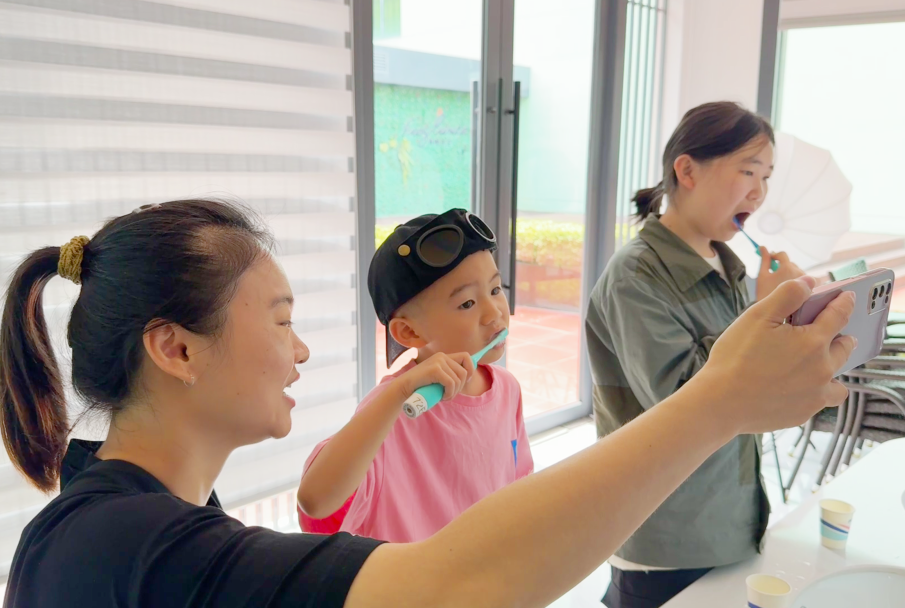
With World Oral Health Day approaching on March 20th, Azalli, in partnership with Frog Prince Aijieli Dental Clinic, conducted a scientific brushing challenge activity in kindergartens. The activity combined a 7-day challenge, science education lectures, and a scientific brushing competition to guide children in mastering scientific brushing methods, correcting bad oral hygiene habits, and promoting oral health concepts.

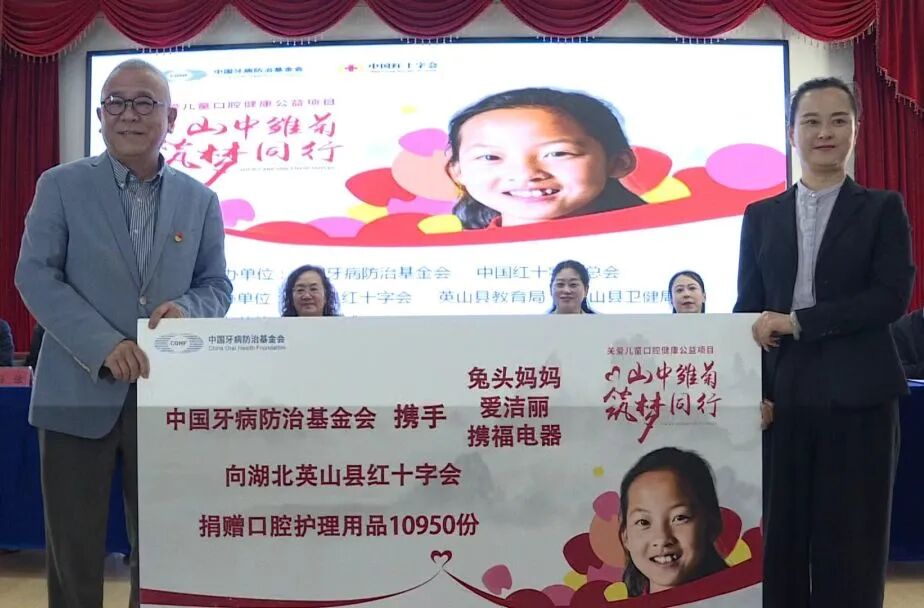
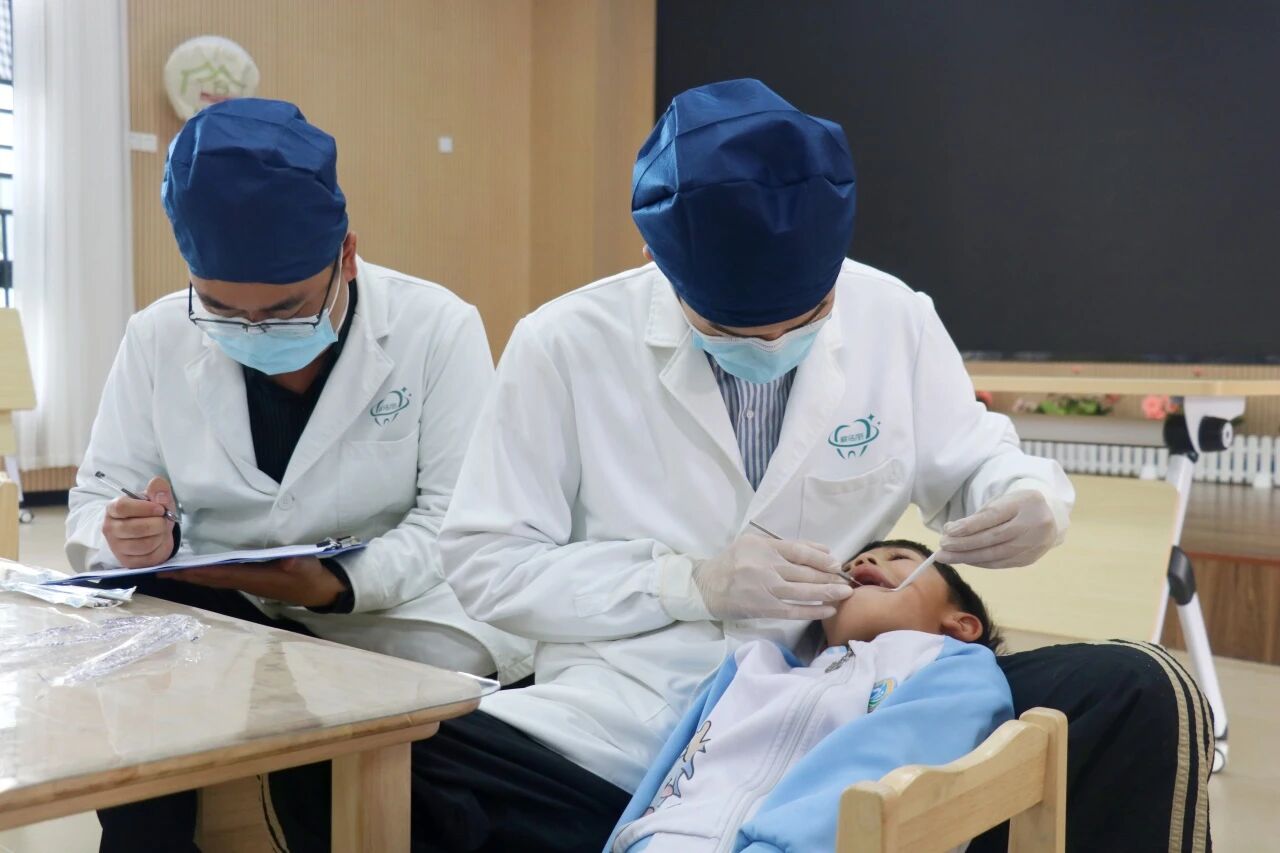
This is not a single charitable act. Azalli has always been deeply committed to the field of children's oral health philanthropy, partnering with Frog Prince Azalli Dental Clinic to participate in public welfare projects such as "Scientific Brushing for Every Family" and "Daisies in the Mountains, Building Dreams Together," conducting science popularization lectures and brushing competitions year after year, reaching thousands of children. In the future, we will continue to enter schools and communities to carry out public welfare activities such as oral examinations and science popularization.

As the 15th Five-Year Plan begins, dental care accompanies growth. We hope that every family can be more attentive in protecting their children's oral health, and that every small act of protection can converge into a light illuminating children's growth.
Azalli will uphold its original aspirations and fulfill its responsibilities, spreading warmth through professionalism, working hand in hand with the whole society to contribute to the 2030 children's oral health goals and protect the healthy smiles of every child.