How Do Automated Sanitation Cycles Between Recipes Prevent Cross-Contamination?
Switching between different oral care products without proper cleaning invites contamination. For any toothpaste line, leftover chemicals or microbes can ruin the next batch. This risk doubles when producing antibacterial toothpaste, antiseptic toothpaste, natural toothpaste, or fluoridex toothpaste in sequence. Automated sanitation cycles remove this danger by executing validated cleaning protocols without human error.
Why Cross-Contamination Occurs Without Automated Sanitation?
When a machine finishes filling toothpaste, residual paste remains in pipes, nozzles, and pumps. If the next run is antibacterial toothpaste, those residues may contain incompatible surfactants. For antiseptic toothpaste, even trace amounts of a previous formula can reduce preservative efficacy. Natural toothpaste often lacks strong chemical buffers, making it vulnerable to foreign ingredients. Fluoridex toothpaste requires strict purity—any cross-contact alters fluoride stability. Automated cycles eliminate these risks systematically.
Step 1: Pre-Rinse to Remove Bulk Residue of Toothpaste
The first automated step is a high-pressure water pre-rinse. This removes 95% of the previous toothpaste from internal surfaces. For antibacterial toothpaste, which may contain chlorhexidine, the pre-rinse uses heated water to break adhesion. Antiseptic toothpaste residues with essential oils require a detergent boost. Natural toothpaste with calcium carbonate rinses easily but leaves fine particles. Fluoridex toothpaste demands complete initial removal before chemical cleaning begins.
Step 2: Hot Caustic Wash for Antibacterial Toothpaste Residues
After pre-rinse, an automated hot caustic solution circulates. This step denatures proteins and emulsifies fats. For antibacterial toothpaste, it destroys any surviving microbes. Antiseptic toothpaste residues containing thymol or eucalyptol are fully solubilized. Natural toothpaste with organic thickeners breaks down completely under heat and alkali. Fluoridex toothpaste releases active fluoride ions into the wash solution, preventing carryover. The system monitors pH, temperature, and contact time automatically.
Step 3: Intermediate Rinse to Neutralize for Antiseptic Toothpaste
A second automated rinse removes caustic chemicals. This step is critical before producing antiseptic toothpaste because high pH would degrade phenolic preservatives. For antibacterial toothpaste containing triclosan, neutralization ensures no reaction with residual alkalis. Natural toothpaste with enzymatic ingredients requires strict pH 7.0 before filling. Fluoridex toothpaste cannot tolerate alkaline residues—they cause fluoride precipitation. Automated conductivity sensors verify rinse water purity.
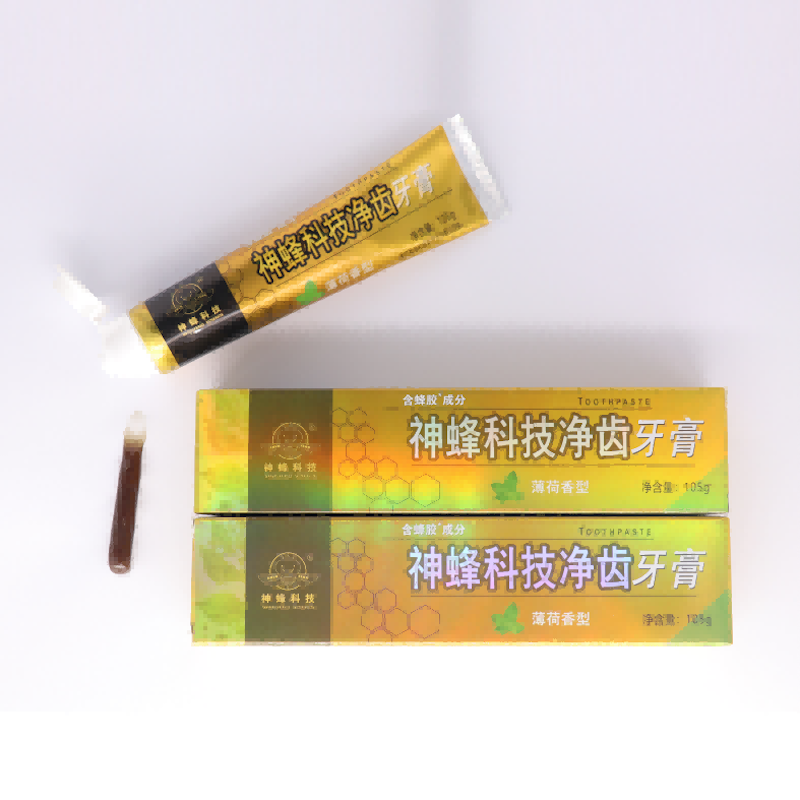
fluoridex toothpaste
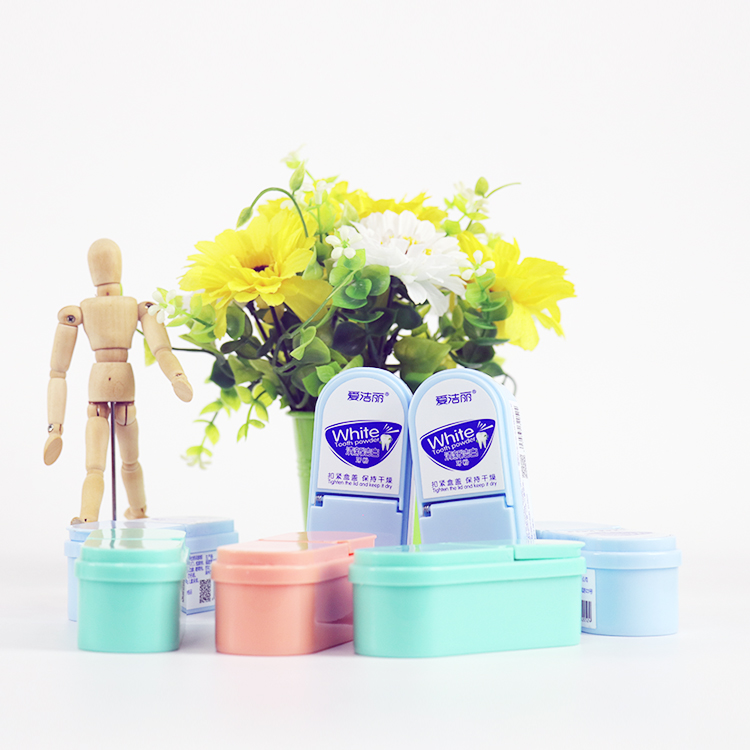
antibacterial toothpaste
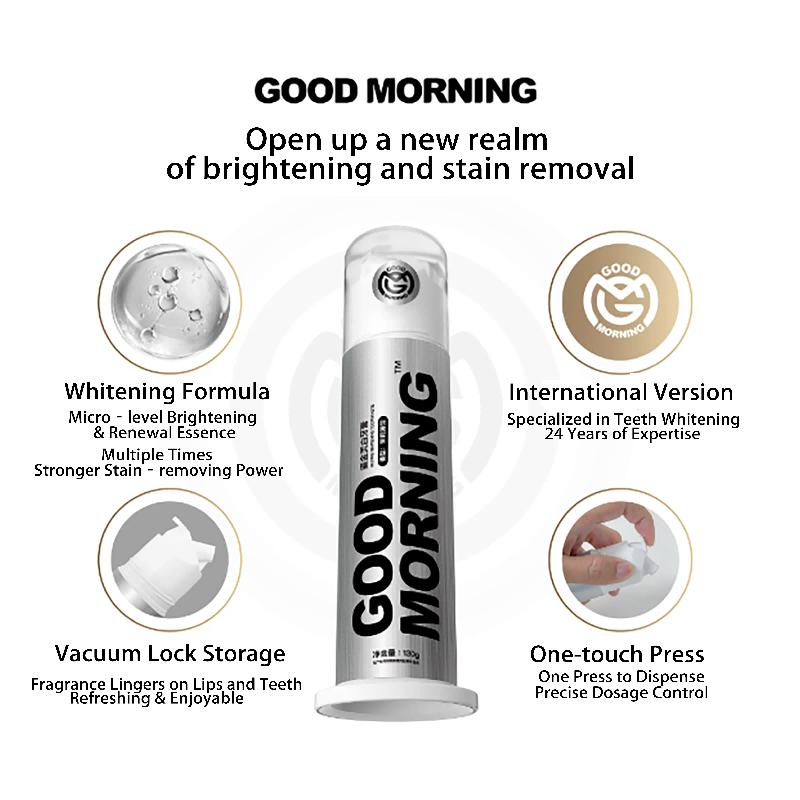
natural toothpaste
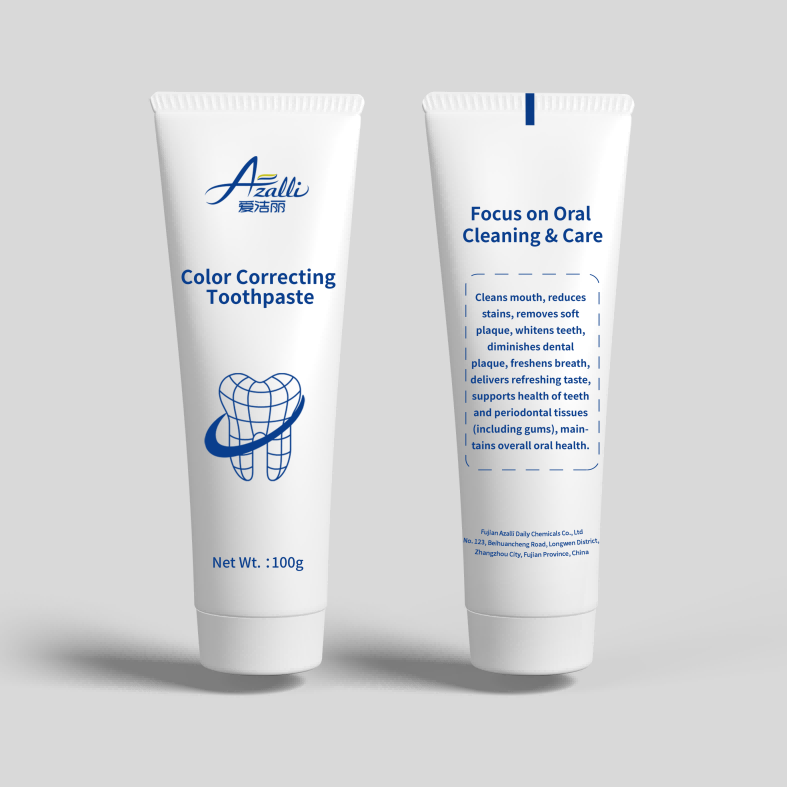
antiseptic toothpaste
Step 4: Acid Wash to Remove Mineral Deposits from Natural Toothpaste
Natural toothpaste often contains abrasive minerals like silica or chalk. These can deposit on pipe walls. An automated acid wash dissolves these scales. For antibacterial toothpaste using zinc compounds, acid prevents metal adhesion. Antiseptic toothpaste with baking soda residues is also eliminated. Fluoridex toothpaste benefits because acid removes any calcium fluoride crystals that formed in previous runs. The system then flushes again with purified water.
Step 5: Final Hot Water Rinse and Validation for Fluoridex Toothpaste
The last sanitation step is a heated, pressurized water rinse. For fluoridex toothpaste, this ensures zero detergent or acid remains. Antibacterial toothpaste lines require this rinse to avoid killing beneficial oral bacteria users expect. Antiseptic toothpaste demands absolute purity to maintain claimed antiseptic activity. Natural toothpaste without preservatives depends on this step to prevent spoilage. Automated sensors check turbidity, pH, and conductivity before approving production.
Step 6: Drying and Ready Signal for Next Toothpaste Recipe
After rinsing, automated hot air dries all internal surfaces. Standing water could dilute the next toothpaste batch. For antibacterial toothpaste, moisture encourages bacterial growth inside nozzles—drying prevents that. Antiseptic toothpaste with alcohol can absorb water, changing viscosity. Natural toothpaste without synthetic stabilizers becomes runny if wet. Fluoridex toothpaste maintains precise fluoride concentration only in dry lines. The machine then signals “sanitized” for the next recipe change.
Step 7: Record Keeping and Traceability
Every automated cycle logs time, temperature, pressure, and chemical concentrations. If a batch of antibacterial toothpaste later shows contamination, engineers review the sanitation log. For antiseptic toothpaste, records prove regulatory compliance. Natural toothpaste certifications require documented changeovers. Fluoridex toothpaste manufacturers use these logs to validate fluoride stability across runs. Automation ensures no manual record falsification.
Automated sanitation cycles between recipes remove human variability. Whether producing toothpaste, antibacterial toothpaste, antiseptic toothpaste, natural toothpaste, or fluoridex toothpaste, the system delivers consistent, verifiable cleanliness. Cross-contamination becomes impossible when machines follow validated sequences with real-time sensors. This protects both consumers and brand reputation.
Fujian Azalli Daily Chemicals Co., Ltd. was established in 2002 and has since become the largest integrated supplier of oral health cleaning and care products in Fujian Province, combining research and development with production.Azalli is highly focused on technology R&D and innovation. Under the leadership of Mr. Huang Qiang, a senior engineer, they have built an outstanding R&D team that is dream-driven, passionate, courageous, and creative. The team comprises mid-to-senior level engineers, masters, bachelors, and other technical personnel, dedicated to the development of oral care products. Azalli provide one-stop ODM & OEM services, offering customers a full process from product design to delivery. We ensure all our products meet the highest standards, with strict control over design, production and quality inspection, to create tailored, high-quality products for our clients.