Should I Choose a Fluoride Mouthwash for Cavity Prevention?
Walking down the dental aisle can feel overwhelming. With so many bottles promising fresh breath, whiter teeth, and gum protection, one question often rises above the rest: should I choose a fluoride mouthwash for cavity prevention? This is a smart question because tooth decay remains one of the most common chronic diseases worldwide. The answer depends on your individual risk factors, but for most adults, a fluoride mouthwash offers proven, science-backed protection. Let us explore how a fluoride mouthwash works, who needs it most, and how it compares to other rinses like an antibacterial mouth rinse or a halitosis mouthwash.
What Does a Fluoride Mouthwash Actually Do?
A fluoride mouthwash delivers concentrated fluoride directly to your tooth enamel. Fluoride is a natural mineral that rebuilds weakened enamel through a process called remineralization. Every time you eat sugar, bacteria produce acids that strip minerals from your teeth. A fluoride mouthwash reverses this damage by depositing new minerals back into the enamel surface, making it stronger and more acid-resistant than before. Unlike a cosmetic rinse, a fluoride mouthwash is a therapeutic product with a measurable health benefit. Studies show that regular use of a fluoride mouthwash can reduce cavity risk by up to 30% when combined with brushing and flossing.
However, a fluoride mouthwash does not kill bacteria directly. That is where an antibacterial mouth rinse comes into play. An antibacterial mouth rinse targets the microbes that produce cavity-causing acids, but it cannot repair enamel that is already damaged. For comprehensive protection, many dentists recommend using an antibacterial mouth rinse in the morning and a fluoride mouthwash at night. This way, you reduce bacterial activity during the day and rebuild enamel while you sleep.
Fluoride Mouthwash vs. Antimicrobial Mouthwash
You may wonder whether an antimicrobial mouthwash can replace your fluoride mouthwash. An antimicrobial mouthwash reduces the overall bacterial load in your mouth, including Streptococcus mutans—the primary germ behind tooth decay. By lowering bacterial counts, an antimicrobial mouthwash indirectly lowers acid production, which does help prevent cavities to some degree. However, an antimicrobial mouthwash cannot reverse existing mineral loss. Only a fluoride mouthwash can replenish lost calcium and phosphate.
Think of it this way: an antimicrobial mouthwash is like removing weeds from your garden, while a fluoride mouthwash is like fertilizing the soil so your plants grow stronger. You need both for a healthy garden, but they are not interchangeable. If you have a history of frequent cavities, a fluoride mouthwash should be your top priority. If you also struggle with gum inflammation, you can alternate an antimicrobial mouthwash with your fluoride mouthwash at different times of the day. Just avoid using them back-to-back, as some antimicrobial ingredients can interfere with fluoride absorption.
What About Halitosis Mouthwash?
Many people reach for a halitosis mouthwash to combat bad breath, but does a halitosis mouthwash help prevent cavities? A halitosis mouthwash typically contains zinc chloride or chlorine dioxide, which neutralize volatile sulfur compounds—the chemicals responsible for unpleasant odors. While a halitosis mouthwash can keep your breath fresh for hours, most halitosis mouthwash products do not contain therapeutic levels of fluoride. Some halitosis mouthwash formulas even include alcohol, which can dry out your mouth and actually increase cavity risk over time.
If you suffer from both halitosis and frequent cavities, you do not have to choose one over the other. You can use a halitosis mouthwash in the morning for social confidence and rely on your fluoride mouthwash in the evening for therapeutic protection. Some newer products now combine fluoride with odor-neutralizing agents, giving you the benefits of a halitosis mouthwash and a fluoride mouthwash in one bottle. Always check the label—if sodium fluoride is not listed as an active ingredient, it is not a fluoride mouthwash, regardless of how fresh it makes your breath.

alitosis mouthwash

antibacterial mouth rinse

antimicrobial mouthwash
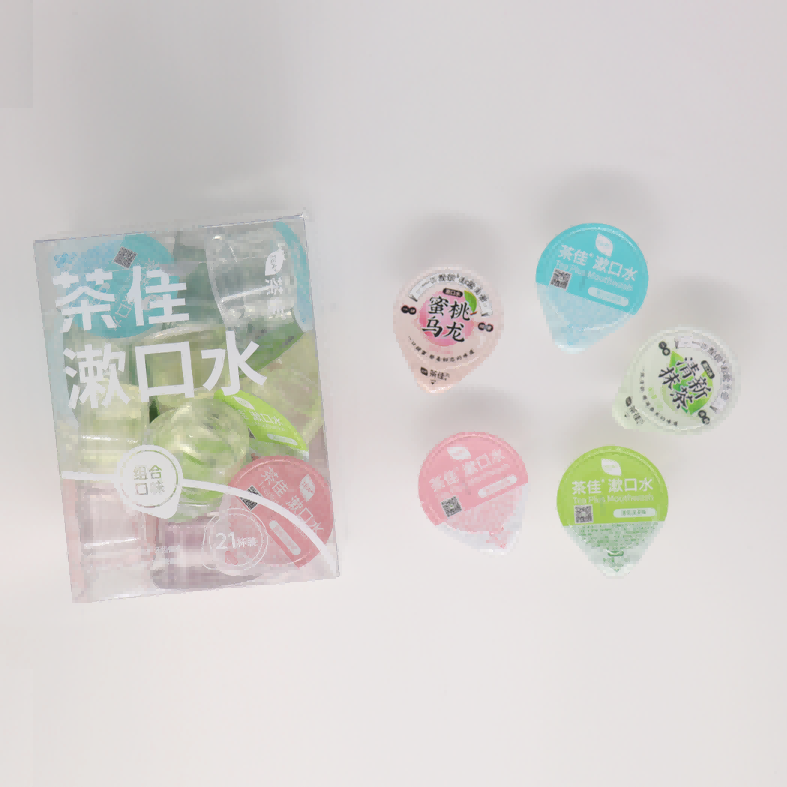
antibacterial mouth rinse
How to Choose the Right Mouthwash for You
Selecting the best mouthwash requires a clear understanding of your oral health priorities. Here is a simple decision guide:
If your main concern is cavities: Choose a fluoride mouthwash with the ADA Seal of Acceptance.
If your main concern is gum disease: Choose an antibacterial mouth rinse containing essential oils or cetylpyridinium chloride.
If your main concern is bad breath: Choose a halitosis mouthwash with zinc or chlorine dioxide, but use it sparingly if it contains alcohol.
If you have multiple concerns: Use an antibacterial mouth rinse or a halitosis mouthwash in the morning and a fluoride mouthwash at night.
No single mouthwash can do everything. A fluoride mouthwash excels at enamel repair, but it does not replace the need for an antibacterial mouth rinse if you have gingivitis. Similarly, a halitosis mouthwash freshens your breath but does not strengthen your teeth like a fluoride mouthwash does. The smartest approach is to match your mouthwash to your specific needs and use different products at different times of the day.
How to Use Fluoride Mouthwash Correctly
Buying a fluoride mouthwash is only half the battle—you must use it properly to unlock its full potential. Follow these evidence-based steps:
Brush and floss first to remove plaque so the fluoride mouthwash can reach the enamel.
Measure the correct dose—usually 10 to 15 milliliters.
Swish for the full time—check your label, typically 30 to 60 seconds.
Spit it out—never swallow your fluoride mouthwash.
Do not rinse with water afterward for at least 30 minutes. This is the most common mistake. If you drink water immediately, you wash away the fluoride before it can absorb.
For best results, use your fluoride mouthwash at bedtime. Saliva flow decreases during sleep, which means fluoride stays on your teeth longer without being diluted. Evening use of a fluoride mouthwash consistently produces better remineralization than morning use.
Who Should Avoid Fluoride Mouthwash?
While a fluoride mouthwash is safe for most people, certain groups should exercise caution:
Children under 6 should not use a fluoride mouthwash due to swallowing risk.
People with well water high in natural fluoride may already get enough.
Patients with kidney disease should consult their doctor before using any fluoride mouthwash.
Anyone with fluoride allergies—rare, but possible.
If you fall into any of these categories, ask your dentist about alternative prevention strategies, such as xylitol gum or prescription-strength antimicrobial mouthwash.
The Final Verdict
So, should you choose a fluoride mouthwash for cavity prevention? For most adults, the answer is a confident yes. A fluoride mouthwash is one of the most cost-effective, scientifically validated tools available for reducing tooth decay. It addresses the root mechanism of cavities—enamel demineralization—in a way that neither an antibacterial mouth rinse, an antimicrobial mouthwash, nor a halitosis mouthwash can match. Those other rinses have valuable roles in gum health, plaque control, and breath freshness, but they do not rebuild lost tooth structure.
That said, a fluoride mouthwash is not a magic bullet. It works best as part of a complete routine: brush twice daily with fluoride toothpaste, floss once a day, eat a balanced diet low in sugar, and visit your dentist regularly. Adding a fluoride mouthwash to this foundation gives you an extra layer of defense that can significantly lower your cavity risk over time.
When to Talk to Your Dentist
Before starting any new mouthwash, take a moment to ask your dentist during your next check-up. They can assess your cavity risk, check for early enamel damage, and recommend a specific fluoride mouthwash concentration tailored to you. They may also advise whether you should use an antibacterial mouth rinse alongside your fluoride mouthwash, or whether a halitosis mouthwash is appropriate for your breath concerns. Your dentist knows your dental history better than anyone and can guide you toward the perfect mouthwash routine for your unique smile.
Fujian Azalli Daily Chemicals Co., Ltd. was established in 2002 and has since become the largest integrated supplier of oral health cleaning and care products in Fujian Province, combining research and development with production.
The company's factory covers a total area of 26,000 square meters, featuring a purification workshop built to GMP standards with a cleanliness level of 300,000. It has obtained international certifications such as ISO9001, ISO22716, GMPC international quality management systems, and integration of informatization and industrialization management systems.
Disclaimer: This article is for informational purposes only and does not constitute professional dental advice. Always consult your licensed dentist before starting any new oral care product.