Why Do Some Toothpaste Formulas Separate into Liquid and Solid Phases?
Understanding Toothpaste Separation
If you have ever squeezed your toothpaste tube and noticed a pool of liquid alongside gritty solids, you are witnessing phase separation. This phenomenon occurs when the emulsion or suspension within the toothpaste destabilizes. Most commercial toothpaste products are complex mixtures of humectants, abrasives, detergents, thickeners, and water. When the binding agents fail to keep everything uniform, the toothpaste divides into liquid (often water and glycerin) and solid (abrasives and thickener clumps). Understanding why this happens helps both manufacturers and consumers choose better oral care products, including natural toothpaste and clinical variants.
The Role of Emulsifiers and Thickeners
Every stable toothpaste relies on emulsifiers and thickeners like carboxymethyl cellulose, xanthan gum, or carrageenan. These ingredients bind water with solid abrasives. If the toothpaste is stored at extreme temperatures or for too long, these binders break down. The liquid phase rises, and solids settle. This is particularly common in natural toothpaste because it often avoids synthetic stabilizers. While natural toothpaste appeals to eco-conscious users, its shorter shelf life makes separation more likely. Manufacturers of natural toothpaste must balance clean ingredients with physical stability.
Why Antiseptic Toothpaste Formulas May Separate?
Antiseptic toothpaste contains additional antimicrobial agents such as stannous fluoride, essential oils, or cetylpyridinium chloride. These active compounds can interfere with the emulsion system. For instance, essential oils in antiseptic toothpaste act as solvents, weakening the gel structure. Over time, antiseptic toothpaste develops visible liquid pools. Moreover, antiseptic toothpaste often has higher pH or alcohol content, accelerating phase separation. Users should shake the tube gently before use if separation occurs, but severe separation reduces efficacy. Thus, antiseptic toothpaste requires advanced stabilizing technology.
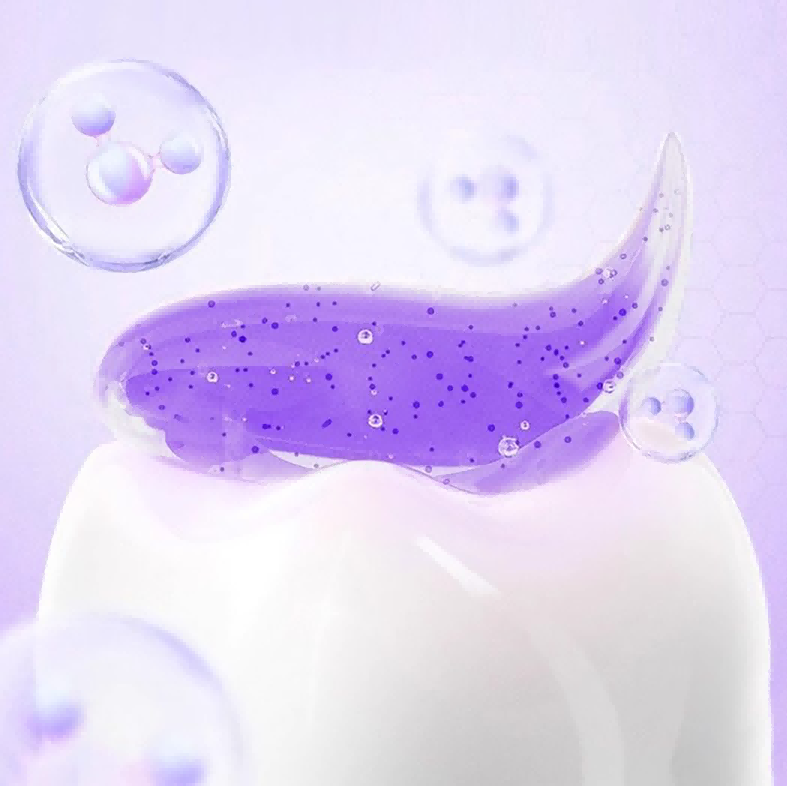
natural toothpaste
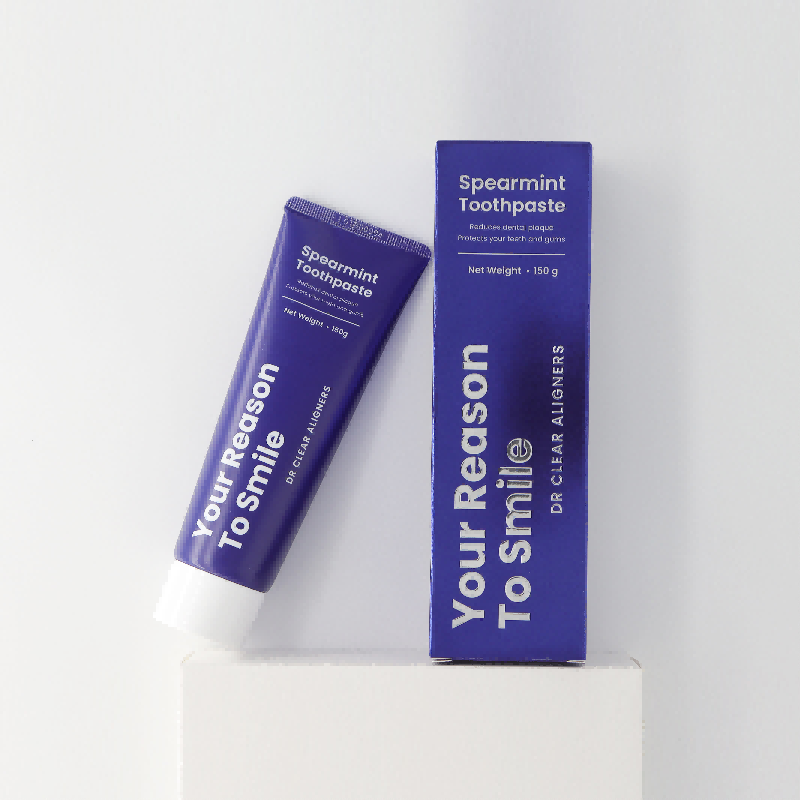
natural toothpaste
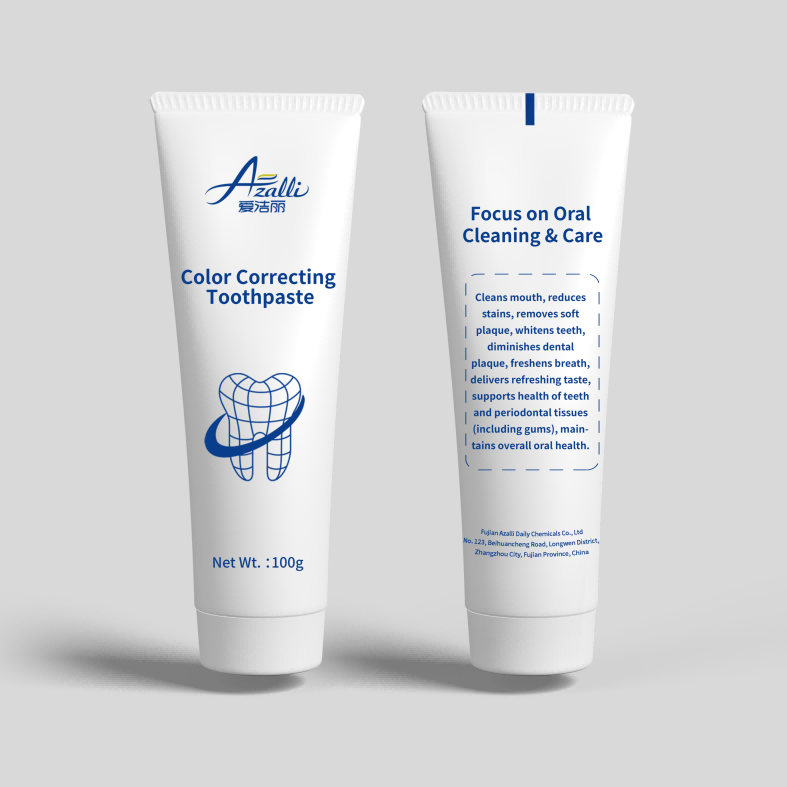
natural toothpaste
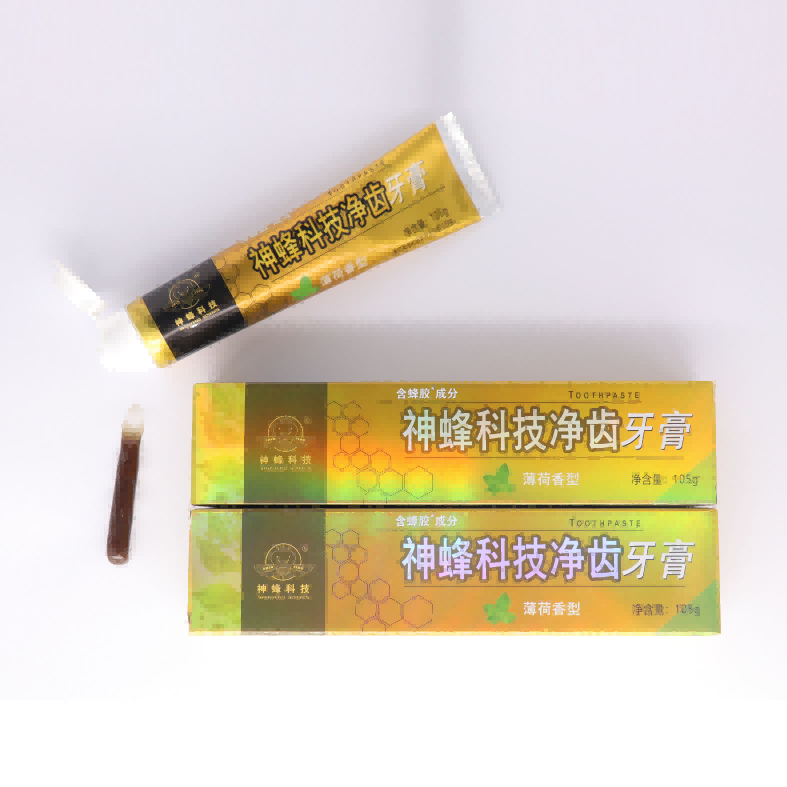
natural toothpaste
The Specific Case of Fluoridex Toothpaste
Fluoridex toothpaste is formulated with high-concentration fluoride for cavity protection. However, fluoride salts—especially stannous fluoride—can react with abrasives like hydrated silica. In fluoridex toothpaste, these reactions release water molecules, breaking the original suspension. Many users report that fluoridex toothpaste separates faster than regular pastes. To minimize this, manufacturers of fluoridex toothpaste add chelating agents or adjust pH. Still, fluoridex toothpaste remains prone to liquid-solid splitting if exposed to heat. Consumers should store fluoridex toothpaste in cool, dry places.
Antibacterial Toothpaste and Destabilization Risks
Antibacterial toothpaste often includes triclosan (now less common), zinc chloride, or chlorhexidine. These antibacterial agents are ionic compounds. In antibacterial toothpaste, ions disrupt the electrical balance that keeps solid particles suspended. Consequently, antibacterial toothpaste undergoes faster sedimentation of calcium carbonate or silica abrasives. The liquid phase becomes watery and clear, while the solid phase hardens near the nozzle. Some antibacterial toothpaste brands encapsulate actives to avoid this issue. Nevertheless, regular users of antibacterial toothpaste might notice phase separation after three to six months.
How Storage Conditions Affect Your Toothpaste?
Temperature fluctuations and humidity greatly impact toothpaste stability. Leaving toothpaste in a hot car or a cold bathroom cabinet accelerates separation. Natural toothpaste without preservatives is most vulnerable, but even antiseptic toothpaste and fluoridex toothpaste degrade under poor storage. Always check the expiration date. If your toothpaste has separated, stirring may temporarily recombine it, but the active ingredients—especially in antibacterial toothpaste—may no longer be evenly distributed. For best results, replace any toothpaste that shows persistent liquid-solid phase separation.
Minor separation of toothpaste is usually not harmful, but it reduces cleaning and fluoride efficacy. For natural toothpaste, separation indicates spoilage risk. For antiseptic toothpaste and antibacterial toothpaste, uneven distribution of antimicrobials means you might miss protection in certain areas. Fluoridex toothpaste with separation might deliver less fluoride to enamel. To avoid these issues, buy smaller tubes and store them properly. Understanding why toothpaste separates empowers you to choose stable, effective oral care products.
Fujian Azalli Daily Chemicals Co., Ltd. was established in 2002 and has since become the largest integrated supplier of oral health cleaning and care products in Fujian Province, combining research and development with production.Azalli is highly focused on technology R&D and innovation. Under the leadership of Mr. Huang Qiang, a senior engineer, they have built an outstanding R&D team that is dream-driven, passionate, courageous, and creative. The team comprises mid-to-senior level engineers, masters, bachelors, and other technical personnel, dedicated to the development of oral care products. Azalli provide one-stop ODM & OEM services, offering customers a full process from product design to delivery. We ensure all our products meet the highest standards, with strict control over design, production and quality inspection, to create tailored, high-quality products for our clients.