Can Mouth Spray Be Used After Every Meal?
We’ve all been there. You finish a delicious lunch—maybe garlicky pasta or a tuna sandwich with onions—and suddenly you’re hyperaware of your breath. The polite smiles from colleagues feel slightly strained, and you instinctively reach for a mint or a quick swig of water. But what if there’s a faster, more effective solution sitting right in your pocket or bag? That’s where mouth spray comes into the picture.
From a clinical standpoint, using a high-quality mouth spray after every meal is generally safe, provided you choose the right product and use it correctly. Most over-the-counter sprays are formulated with mild antibacterial agents like xylitol, essential oils, or low-concentration cetylpyridinium chloride (CPC). These ingredients are designed to neutralize volatile sulfur compounds (the primary culprits behind bad breath) without disrupting your oral microbiome in a harmful way.
A mint breath spray that contains alcohol or artificial sweeteners might temporarily mask odors but could dry out your oral tissues over time. Saliva is your mouth’s natural defense system; it washes away food particles, neutralizes acids, and remineralizes enamel. If your mouth spray dries your mouth out, you might actually worsen bad breath in the long run.
That’s why experts recommend looking specifically for a dry mouth spray if you plan to use it frequently. These formulations often contain moisturizing agents like glycerin, aloe vera, or xylitol that stimulate saliva production rather than suppress it.
What Happens in Your Mouth After a Meal?
Every time you eat, the bacteria in your mouth feast on leftover carbohydrates and sugars. Within minutes, they produce acids that attack tooth enamel and release foul-smelling gases. Brushing immediately after a meal is actually discouraged by many dentists because acidic foods soften enamel, and brushing too soon can cause micro-abrasions. This is where mouth spray shines—it offers a gentle, non-abrasive way to rinse away acids, neutralize pH levels, and freshen breath without physical scrubbing.
A mouth refreshing spray is particularly effective because it reaches all the nooks and crannies—between teeth, along the gumline, and on the tongue’s surface—where food debris tends to hide. Unlike mints or chewing gums, which often contain sugar and require active chewing, a spray delivers uniform coverage in under two seconds. For busy professionals, parents, or travelers, it’s a game-changer.
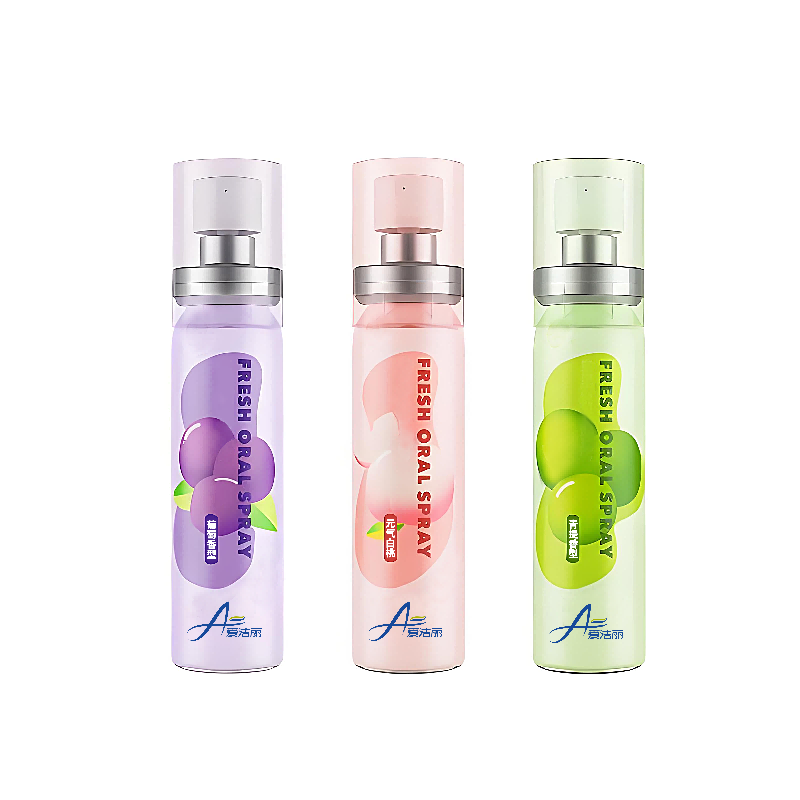
dry mouth spray
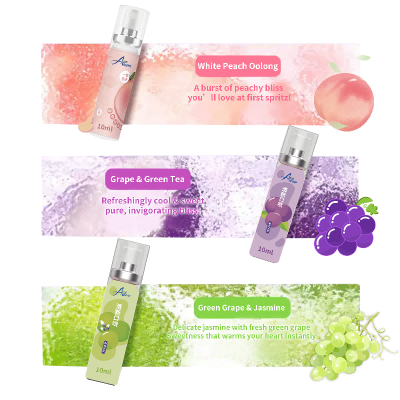
mouth refreshing spray
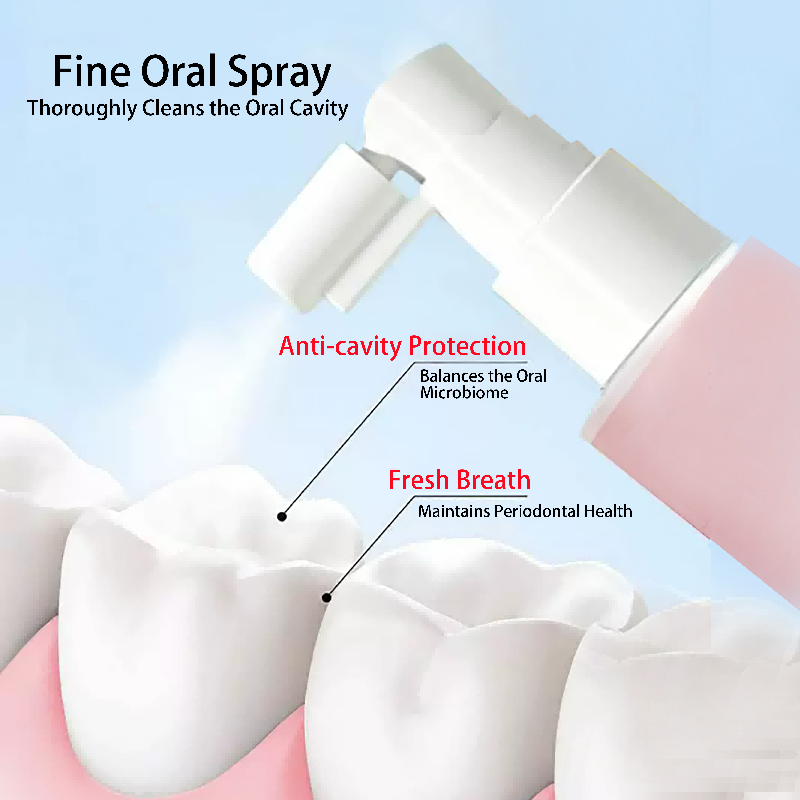
travel breath spray
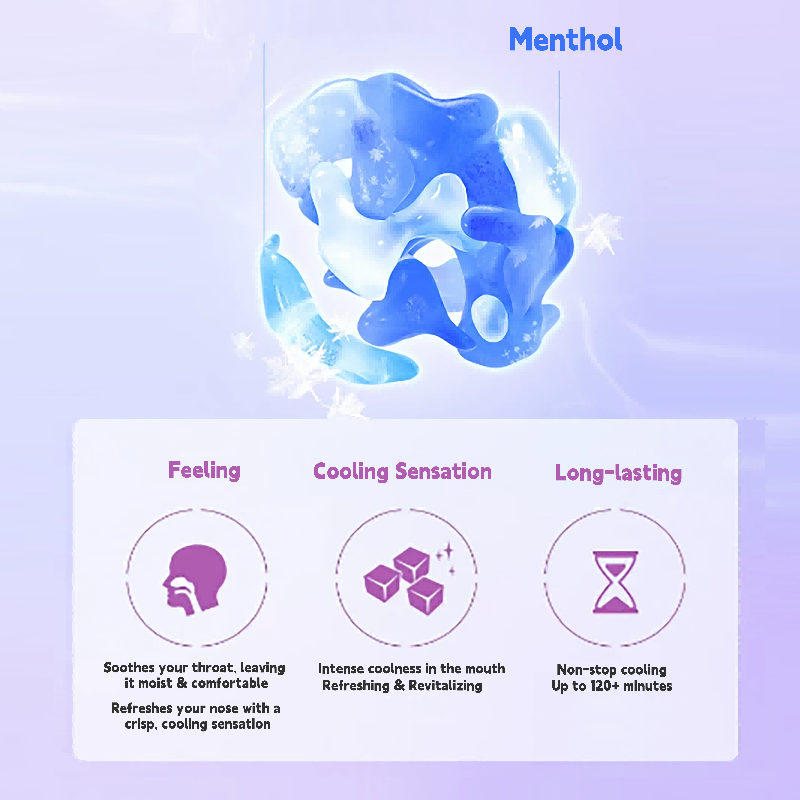
mint breath spray
The Travel-Friendly Factor
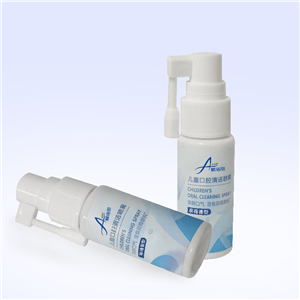
Let’s be realistic: carrying a toothbrush and toothpaste everywhere isn’t always feasible. You’re not going to brush your teeth in a restaurant bathroom after a business lunch, nor will you floss on a crowded airplane. That’s precisely why a travel breath spray has become an essential item for modern oral care. It’s TSA-friendly, leak-proof, pocket-sized, and doesn’t require water or a sink. You can keep one in your car, gym bag, office drawer, or purse for instant post-meal refreshment.
But frequency matters. Using a travel breath spray four or five times a day is generally acceptable if the product is pH-balanced and free from harsh detergents like sodium lauryl sulfate (SLS). Many premium sprays now include zinc ions, which bind to sulfur compounds and eliminate odor at the molecular level rather than simply covering it up with perfume. That’s the kind of feature that elevates a good spray into a truly therapeutic tool.
When Should You Avoid Frequent Use?
There are a few scenarios where post-meal mouth spray application might not be ideal. If you have active gum disease, untreated cavities, or oral lesions, spraying over these areas without professional guidance could cause irritation or masking symptoms that need attention. Also, if your mint breath spray contains more than 10% alcohol, using it after every meal could lead to mucosal dryness and even a burning sensation over time.
Multiple peer-reviewed studies have examined the efficacy of oral sprays in reducing halitosis. A 2021 randomized controlled trial published in the Journal of Clinical Dentistry found that participants who used a xylitol-based mouth refreshing spray three times daily after meals experienced a 47% reduction in volatile sulfur compounds within two weeks. Another long-term observational study tracked dry mouth patients who used a dry mouth spray four times daily for six months; they reported significant improvements in oral comfort, taste perception, and overall breath freshness.
These findings support the idea that frequent, responsible use is not only safe but actually beneficial for certain populations. For chemotherapy patients, elderly individuals with reduced salivary flow, and even pregnant women experiencing nausea-related dry mouth, a dry mouth spray can be a lifeline between meals.
Expert Consensus and Practical Tips
As someone who consults with dental hygienists and periodontists regularly, the consensus is clear: choose a mouth spray that is sugar-free, alcohol-free, and contains moisturizing or enamel-protecting ingredients like fluoride, xylitol, or hydroxyapatite. Read the label carefully. If it says “for fresh breath” only, it’s likely cosmetic. If it says “clinically proven” or “dentist-recommended,” it’s probably therapeutic.
Limit yourself to 2–3 sprays per session—one or two pumps are usually sufficient. Avoid spraying immediately after drinking acidic beverages like orange juice or soda; wait at least 10–15 minutes for your saliva to buffer the acids. And most importantly, continue your regular morning and nighttime brushing routine. A travel breath spray is your on-the-go ally, not your primary defense.
The next time you finish a meal and feel that familiar unease about your breath, reach for your trusted mouth refreshing spray with confidence. Your colleagues, friends, and family will thank you—and your oral health won’t suffer one bit, as long as you choose wisely. After all, fresh breath isn’t just about social grace; it’s a reflection of a healthy, well-cared-for mouth. Spray smart, and smile often.
Fujian Azalli Daily Chemicals Co., Ltd. was established in 2002 and has since become the largest integrated supplier of oral health cleaning and care products in Fujian Province, combining research and development with production. The company's factory covers a total area of 26,000 square meters, featuring a purification workshop built to GMP standards with a cleanliness level of 300,000. It has obtained international certifications such as ISO9001, ISO22716, GMPC international quality management systems, and integration of informatization and industrialization management systems. Automated production equipment and information control systems have been introduced, enabling an annual production capacity of 300 million tubes of toothpaste and 20,000 tons of mouthwash.