Can Mouthwash Help with Wisdom Tooth Pain?
Understanding Wisdom Tooth Pain: Why It Hurts
Wisdom teeth, or third molars, typically erupt between the ages of 17 and 25. However, in many individuals, these teeth become impacted—meaning they fail to emerge fully due to lack of space in the jaw. Impacted wisdom teeth can cause pericoronitis, an inflammation of the soft tissue surrounding the crown, along with pressure pain, cyst formation, and even damage to adjacent molars. The pain you feel is essentially your body's inflammatory response to crowding, bacterial invasion, or partial eruption. This is where mouthwash enters the conversation. While mouthwash cannot correct structural impaction, it can certainly influence the oral environment that exacerbates or alleviates your symptoms. The key is understanding exactly what mouthwash can and cannot do in the context of acute dental pain.
Can Mouthwash Address the Root Cause of Pain?
The short, clinically accurate answer is no—mouthwash will not make an impacted wisdom tooth erupt properly, nor will it reverse decay or resorption. However, mouthwash can significantly reduce secondary symptoms that make wisdom tooth pain unbearable. For example, when food debris and bacteria accumulate around the gum flap covering a partially erupted wisdom tooth, that area becomes a breeding ground for infection. A properly formulated mouthwash can flush out these particles, reduce bacterial load, and temporarily soothe inflamed gingival tissues. In my professional experience, patients who use an antimicrobial mouthwash during a wisdom tooth flare-up often report noticeable relief within 24 to 48 hours, particularly when combined with warm saltwater rinses. Nevertheless, it is crucial to emphasize that mouthwash serves as an adjunctive measure—not a substitute for professional extraction or surgical intervention when indicated.
Antimicrobial Mouthwash: The First Line of Chemical Defense
When we specifically examine infection-related wisdom tooth pain, antimicrobial mouthwash deserves special attention. These formulations typically contain active ingredients such as chlorhexidine gluconate, cetylpyridinium chloride (CPC), or essential oils like thymol and eucalyptol. Chlorhexidine, in particular, is considered the gold standard for reducing plaque and gingivitis, and it has been extensively studied in perioperative dental settings. Using an antimicrobial mouthwash twice daily during a pericoronitis episode can lower the bacterial count in the crevices around the wisdom tooth, thereby decreasing the inflammatory mediators that trigger pain receptors. However, caution is warranted: chlorhexidine-based antimicrobial mouthwash is generally recommended for short-term use (2–4 weeks) because prolonged application may cause tooth staining, altered taste perception, or mucosal desquamation. For over-the-counter options, a CPC-based antimicrobial mouthwash offers a milder but still effective alternative with fewer side effects.
Fluoride Mouthwash: Strengthening Adjacent Teeth Under Pressure
While fluoride does not directly numb pain, fluoride mouthwash plays an indirect but vital role during wisdom tooth discomfort. When a wisdom tooth pushes against the second molar, it often creates tight interproximal spaces that are difficult to clean with brushing alone. These stagnation zones are highly susceptible to demineralization and early carious lesions. Rinsing with a fluoride mouthwash once daily delivers bioavailable fluoride ions to these vulnerable surfaces, promoting remineralization and reinforcing enamel resistance against acid attacks from bacterial fermentation. In my clinical practice, I often recommend a fluoride mouthwash to patients awaiting wisdom tooth extraction, not as a painkiller but as a preventive strategy to protect neighboring teeth from collateral damage. The evidence is robust: numerous randomized controlled trials have demonstrated that regular use of fluoride mouthwash reduces the incidence of secondary caries in high-risk posterior regions.
Fresh Mint Mouthwash: The Power of Sensory Modulation
There is a meaningful psychological and sensory component to oral pain that should not be underestimated. A high-quality fresh Mint Mouthwash provides an immediate cooling sensation that can temporarily distract the brain from nociceptive signals originating in the periodontal ligament. Menthol and peppermint oil activate transient receptor potential melastatin-8 (TRPM8) channels on sensory neurons, producing a refreshing cold signal that competes with pain transmission pathways in the trigeminal nerve. This is not merely placebo; it is a well-documented neuromodulatory effect. Using a fresh Mint Mouthwash before meals can make chewing less aversive, as the minty residue dampens the perception of pressure sensitivity. That said, I always caution patients to avoid fresh Mint Mouthwash products that contain high alcohol concentrations (above 15%), as ethanol can irritate already inflamed gum tissues and exacerbate burning sensations. Instead, choose an alcohol-free fresh Mint Mouthwash that delivers the cooling benefit without the sting.
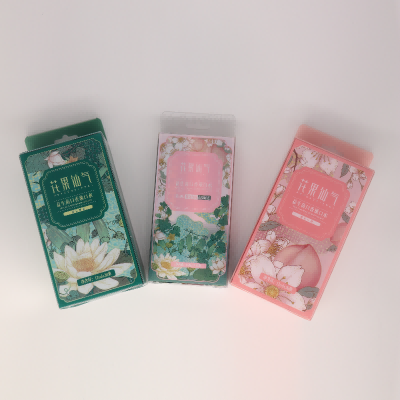
antimicrobial mouthwash
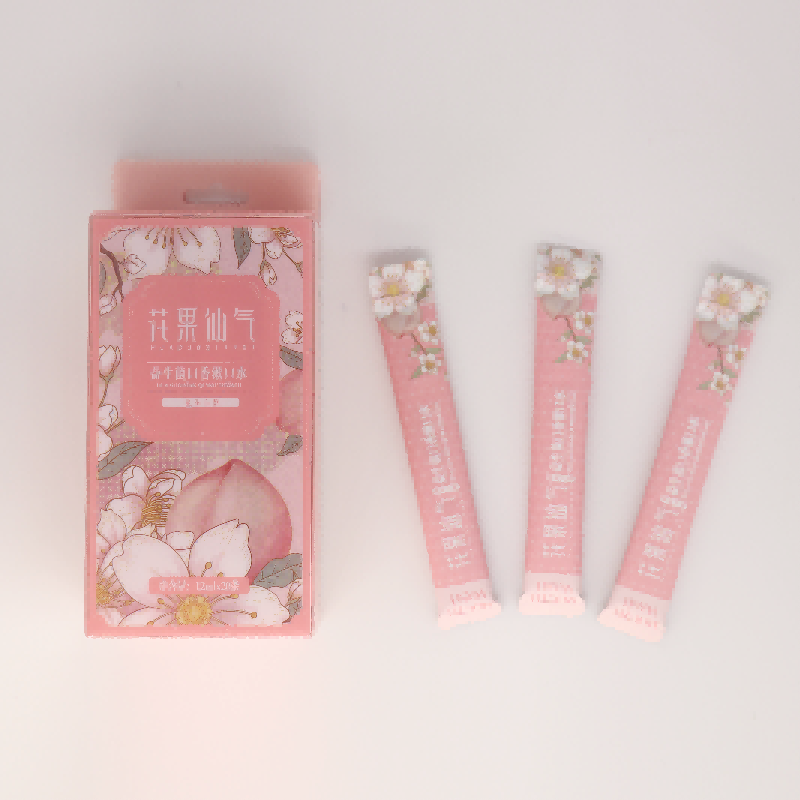
fluoride mouthwash
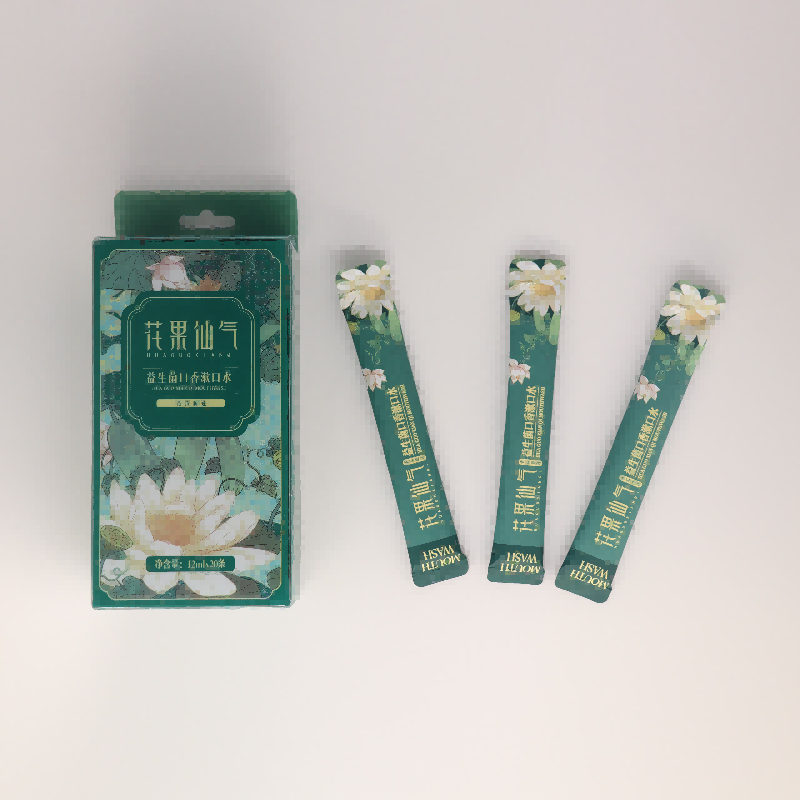
fresh mint mouthwash
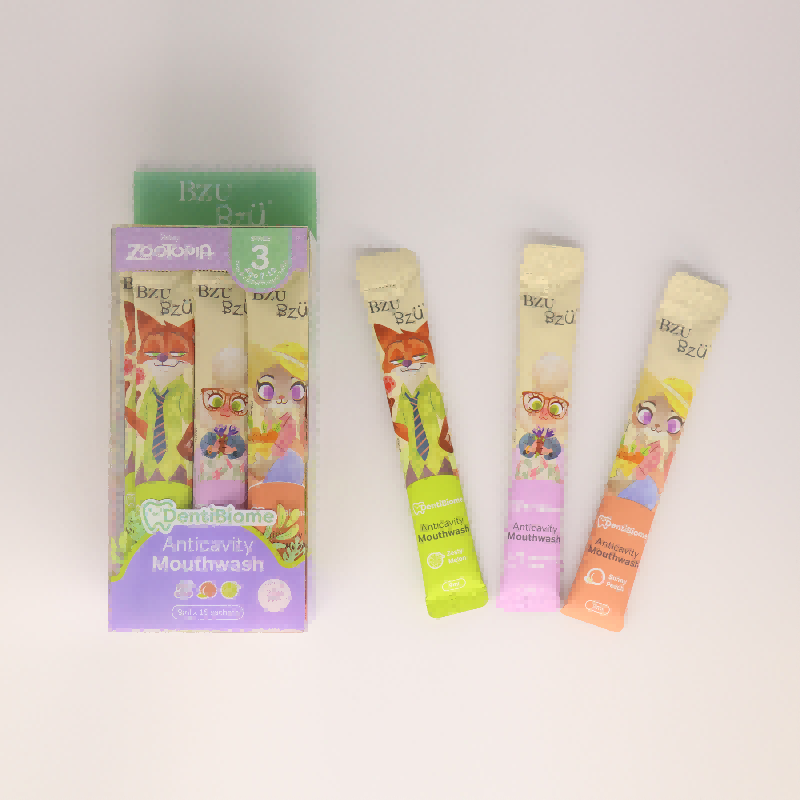
natural mouthwash
Natural Mouthwash: A Gentle Alternative for Sensitive Gums
For individuals who experience burning, stinging, or allergic reactions to synthetic antimicrobials, a natural mouthwash may offer a gentler path to symptomatic relief. Formulations based on aloe vera, neem, tea tree oil, chamomile, or sage have demonstrated measurable anti-inflammatory and antibacterial properties in vitro. A natural mouthwash containing aloe vera polysaccharides, for instance, can coat inflamed gingival tissues and reduce prostaglandin-mediated pain signals. Similarly, a natural mouthwash with chamomile bisabolol has shown efficacy in accelerating wound healing in oral mucosal injuries. However, I must emphasize that the evidence base for natural mouthwash is less extensive than that for chlorhexidine or CPC. While a natural mouthwash is generally safe for frequent use and free from synthetic dyes, patients should look for products that have undergone third-party purity testing to ensure consistent active compound concentrations.
What Mouthwash Cannot Do: Critical Limitations
Let us be unequivocal: mouthwash cannot treat irreversible pulpitis, drain an abscess, or relieve pressure from cystic growth around an impacted wisdom tooth. If your pain is accompanied by facial swelling, fever, trismus (difficulty opening your mouth), or pus discharge, these are red flags indicating that infection has spread beyond the periodontal space. In such cases, relying solely on mouthwash delays necessary medical intervention and may lead to severe complications such as Ludwig's angina or osteomyelitis. Even the most potent antimicrobial mouthwash cannot reach the apical foramen of an infected root canal, nor can it penetrate bone to resolve osteitic inflammation. Therefore, I strongly advise using mouthwash as a comfort measure while promptly scheduling an evaluation with an oral surgeon or general dentist. Pain management should always be rooted in accurate diagnosis.
How to Use Mouthwash for Wisdom Tooth Pain: Practical Protocol
Based on clinical guidelines from the American Dental Association and the European Federation of Periodontology, I recommend the following step-by-step protocol for patients experiencing mild to moderate wisdom tooth discomfort. Begin by rinsing gently with warm saline (not hot) to dislodge gross debris. Wait 10 minutes, then take approximately 15 milliliters of your chosen mouthwash—preferably an antimicrobial mouthwash with 0.05% CPC or 0.12% chlorhexidine. Swish for 30 to 60 seconds, focusing on directing the liquid toward the affected posterior area by tilting your head slightly to the painful side. Do not swallow. Spit out the mouthwash and avoid eating or drinking for at least 30 minutes to maximize active ingredient retention. For maintenance, use a fluoride mouthwash at a different time of day (e.g., before bed) to protect adjacent teeth. If you prefer a natural mouthwash, use it as an interim rinse between antimicrobial sessions to maintain moisture and soothe tissues. Finally, a fresh Mint Mouthwash can be employed before social engagements to mask any odor associated with the inflamed area.