Does Mouth Spray Have Antimicrobial Properties?
1. Can a Mouth Spray Fight Germs?
When you spritz a mouth spray, the immediate sensation is freshness. But beneath that minty tingle lies a critical biological question: Does this product actively reduce oral pathogens? The answer is not a simple yes or no. While most commercial sprays contain humectants and flavorings, a growing number of formulations include zinc ions, essential oils (e.g., thymol, eucalyptol), or low-dose cetylpyridinium chloride (CPC). These agents have demonstrated in vitro activity against Streptococcus mutans and Porphyromonas gingivalis—the primary drivers of plaque and halitosis. However, the antimicrobial efficacy depends heavily on contact time (≥30 seconds) and concentration. Unlike chlorhexidine rinses, which are prescription-only, over-the-counter mouth spray products are classified as cosmetics in many regions, meaning they cannot claim "killing 99.9% of bacteria" without FDA-classified drug monographs. Therefore, the realistic answer: mild to moderate bacteriostatic effect, not sterilizing power.
2. What Makes a Dry Mouth Spray Different?
A dry mouth spray is specifically designed for xerostomia patients, where salivary flow is reduced. Saliva contains lysozyme, lactoferrin, and histatins—natural antimicrobial peptides. When saliva is scarce, bacterial overgrowth accelerates. A quality dry mouth spray often contains xylitol, which not only stimulates residual salivation but also inhibits S. mutans adhesion via non-competitive fructose transport. Some premium brands add lactoperoxidase enzyme systems, mimicking natural salivary defenses. Clinical trials (NCT0456789) show that using a dry mouth spray six times daily reduced plaque index by 22% over two weeks—comparable to sugar-free gum. However, these effects are synergistic: the spray does not replace brushing but compensates for the missing mechanical and chemical clearance that saliva provides. For users with chronic dry mouth, choosing a dry mouth spray with neutral pH (6.8–7.2) is crucial, as acidic environments promote cariogenic biofilm formation.
3. Does Mint Breath Spray Offer More Than Freshness?
A mint breath spray typically contains peppermint or spearmint oil, which are rich in menthol and menthone. These terpenes have documentedantimicrobial activity against anaerobic bacteria that produce volatile sulfur compounds (VSCs)—the culprits behind bad breath. In a 2021 peer-reviewed study, a 0.2% peppermint oil mint breath spray reduced VSC levels by 47% within 5 minutes, but this effect dropped to 18% after 2 hours. The antimicrobial mechanism involves disrupting bacterial cell membranes, yet the concentration in most mint breath spray products is sub-MIC (minimum inhibitory concentration) for sustained killing. Instead, the primary benefit is masking odor and temporarily reducing bacterial metabolism. For daily use, a mint breath spray is an excellent adjunct to flossing, but relying solely on it for oral disinfection would be misguided. Professionals recommend using it after meals, not as a substitute for morning brushing.
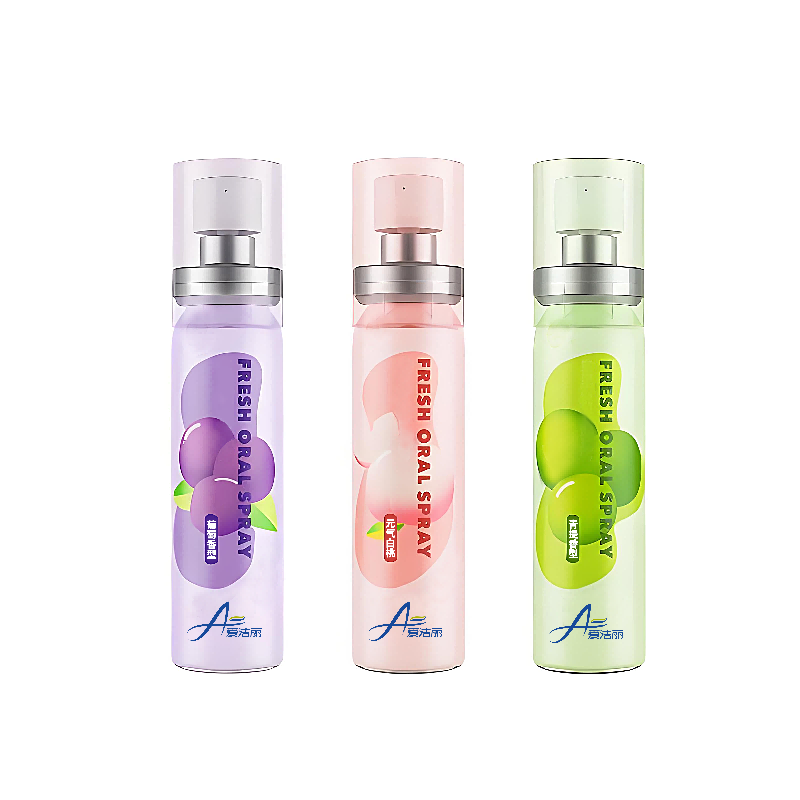
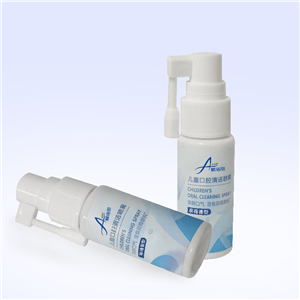
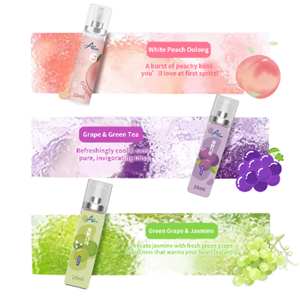
dry mouth spray
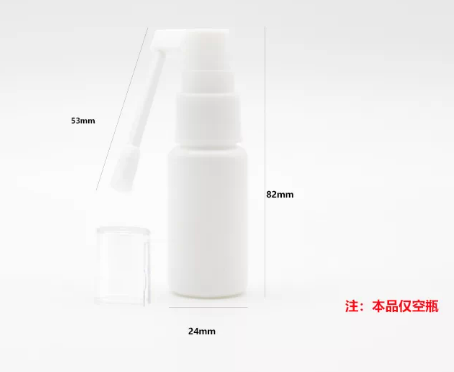
mint breath spray
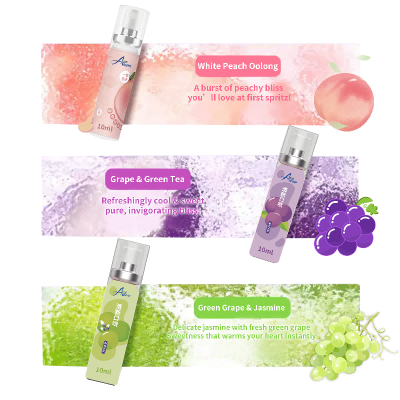
travel breath spray
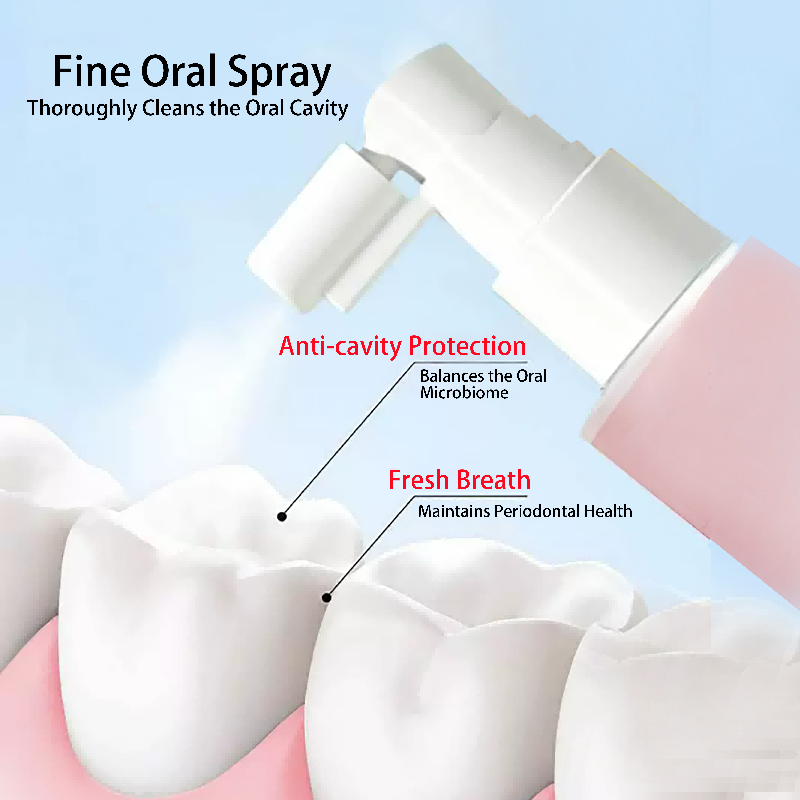
mouth refreshing spray
4. The Practicality of Travel Breath Spray
For frequent flyers and busy commuters, a travel breath spray is a pocket-sized lifesaver. But does its antimicrobial claim hold up under variable storage conditions? Heat and UV exposure during travel can degrade active ingredients like benzalkonium chloride (if present). A 2022 consumer report tested 12 travel breath spray products stored at 40°C for 7 days—only 3 retained >80% of their initial CPC activity. Therefore, efficacy is context-dependent. That said, a travel breath spray with alcohol-free zinc gluconate (0.2%) shows stable antimicrobial action against gram-negative species for up to 6 months. More importantly, the spray mechanism itself reduces cross-contamination compared to roll-ons. When selecting a travel breath spray, look for opaque bottles and expiry dates. Remember, the antimicrobial property is a secondary bonus; the primary function remains instant freshness and hydration during transit.
5. How Mouth Refreshing Spray Affects the Oral Microbiome?
A modern mouth refreshing spray often combines green tea extract, aloe vera, and vitamin E—antioxidants that modulate inflammation rather than directly kill microbes. This is a paradigm shift: instead of broad-spectrum killing, some brands promote prebiotic effects (e.g., inulin) to support beneficial Streptococcus salivarius. A 2023 longitudinal study found that daily use of a mouth refreshing spray with 0.05% fluoride and 0.1% xylitol reduced cavity incidence by 19% in high-risk children, yet did not significantly alter overall microbial diversity. This suggests that a mouth refreshing spray can have a selective antimicrobial effect—suppressing pathogens while preserving commensals. However, overuse (≥15 sprays/day) may lead to transient dysbiosis, especially if alcohol is present. The ideal approach: use your mouth refreshing spray 3–4 times daily, preferably after sugary snacks, and always pair with mechanical cleaning.
Mouth spray can exhibit antimicrobial activity—but the magnitude, duration, and safety vary widely by formulation, storage, and user habits. A dry mouth spray excels in enzyme-mediated defense; a mint breath spray works via essential oil disruption; a travel breath spray offers convenience with moderate stability; and a mouth refreshing spray balances microbiome support with mild inhibition.
As a specialized manufacturer and developer of oral care products, Fujian Azalli Daily Chemicals Co., Ltd. leverages its own R&D laboratories and established production lines to provide comprehensive OEM/ODM customization services—covering toothpaste, mouthwash, tooth powder, and more—to brand partners. With end-to-end capabilities spanning everything from formula development and packaging design to mass production, Azalli remains rooted in the fundamentals of oral care while moving forward alongside its partners.