Does Mouthwash Remove Tartar Buildup?
What Tartar Actually Is?
Tartar (dental calculus) is hardened dental plaque that has mineralized with calcium and phosphate salts from saliva. This process begins within 24–48 hours of plaque formation and becomes firmly attached to tooth enamel and root surfaces. Once calcified, tartar cannot be loosened by rinsing or brushing alone—it requires mechanical scaling by a dental professional. This is the first critical point: no liquid product, including any mouthwash, can dissolve or detach established tartar deposits. The U.S. Food and Drug Administration (FDA) classifies tartar-control products as cosmetic or drug items, but even those with pyrophosphates or zinc citrate only prevent new calculus formation, not remove existing layers.
How Mouthwash Intercepts Mineralization?
While a standard mouthwash cannot chip away calculus, certain active ingredients interfere with the crystal growth phase. Tetrasodium pyrophosphate, commonly found in anti-tartar rinses, binds to calcium ions in saliva, reducing the rate of hydroxyapatite deposition on plaque. Clinical trials (e.g., Charles et al., 2019) show that twice-daily use of a pyrophosphate-based mouthwash reduces supragingival calculus formation by 18–24% over 3 months compared to placebo. However, this effect is purely preventive—it works on soft plaque before it calcifies. For patients with heavy existing buildup, even the best mouthwash will produce zero visible change; the only reliable solution is ultrasonic scaling or hand instrumentation.
Can Antibacterial Mouthwash Slow Down Calculus?
Calculus formation accelerates in the presence of high bacterial load, because plaque matrix provides the scaffolding for mineral adhesion. An antibacterial mouthwash containing chlorhexidine (0.12%) or cetylpyridinium chloride (CPC) reduces plaque biomass by 30–50%, thereby diminishing the substrate available for calcification. Nevertheless, the American Dental Association (ADA) warns that long-term use of an antibacterial mouthwash with chlorhexidine can cause extrinsic staining and taste alteration, so it is typically reserved for short-term perioperative care. For daily tartar prevention, an antibacterial mouthwash with stabilized stannous fluoride offers a dual benefit: antimicrobial action plus a physical barrier that resists plaque reattachment.
Does Fluoride Mouthwash Affect Tartar at All?
A fluoride mouthwash is primarily designed for caries prevention, not calculus control. Sodium fluoride (NaF) at 0.05% promotes enamel remineralization and reduces demineralization, but it does not directly inhibit pyrophosphate enzymes or calcium precipitation. However, emerging research indicates that a fluoride mouthwash with amine fluoride may alter the surface charge of pellicle, making it slightly more difficult for plaque to adhere—thus indirectly reducing the rate of new calculus deposition. For patients at high caries risk, a fluoride mouthwash remains essential, but expecting it to manage tartar would be a misapplication. The fluoride mouthwash protects enamel; for calculus, pair it with a separate anti-tartar formula or enzymatic rinse, but never assume it removes existing buildup.
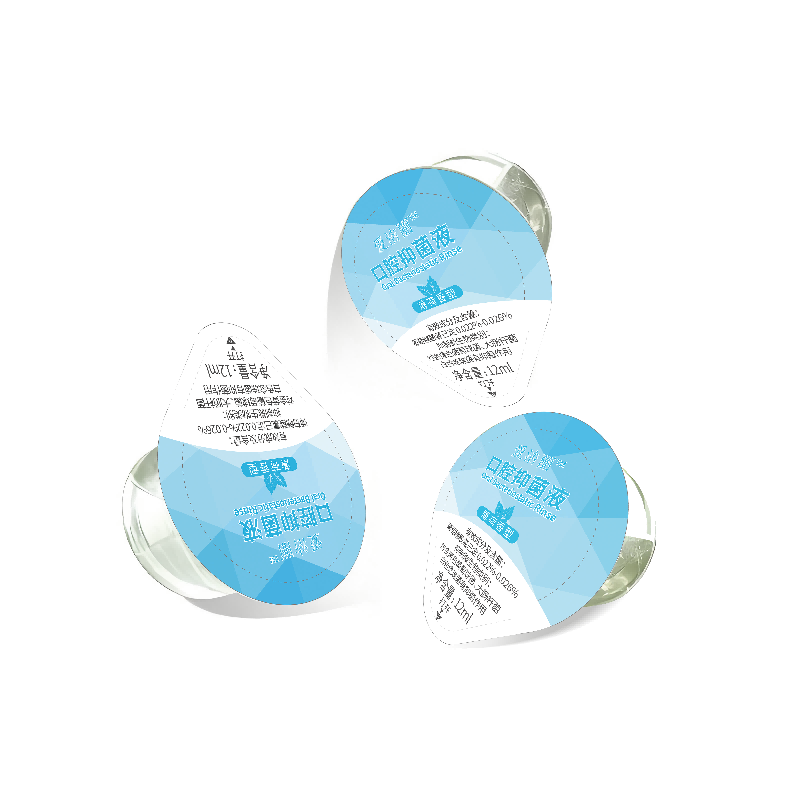
antibacterial mouthwash
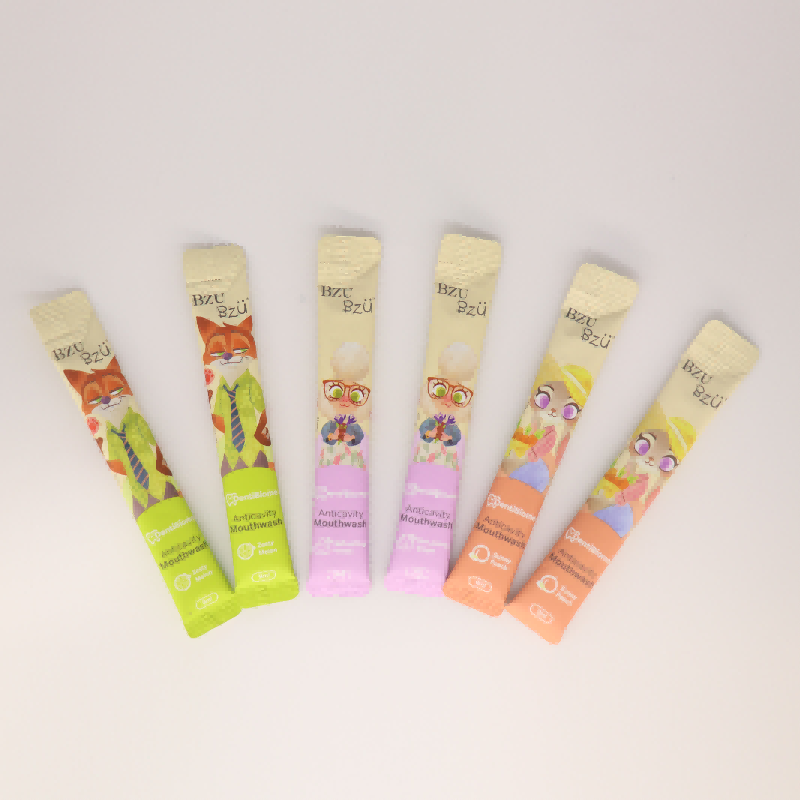
fluoride mouthwash
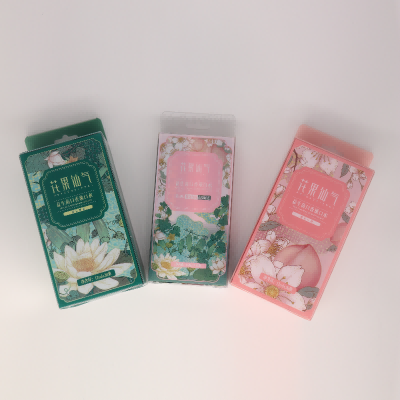
probiotic mouthwash
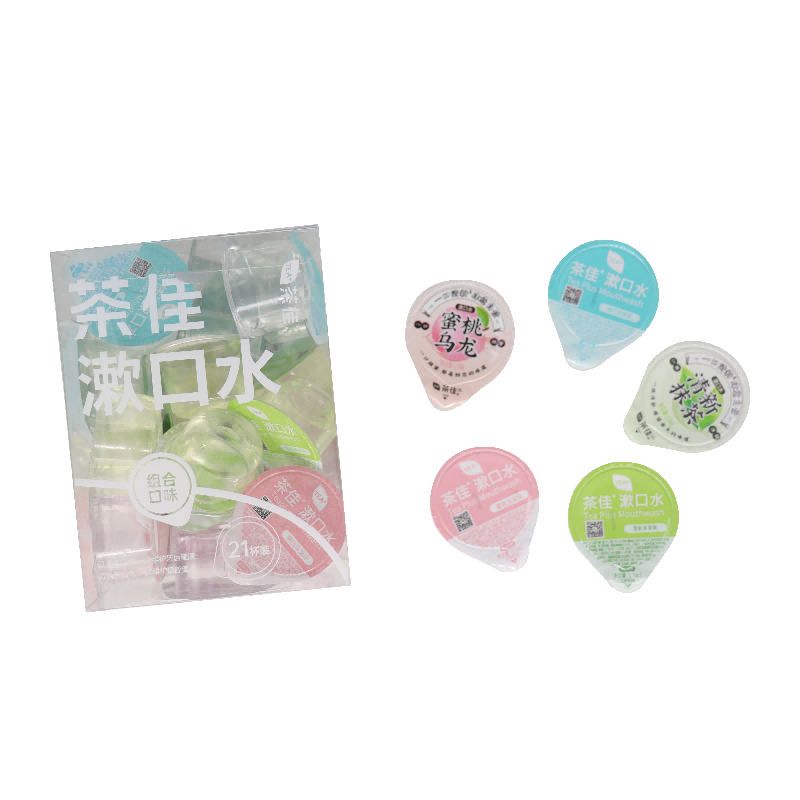
natural mouthwash
Does Natural Mouthwash Have Any Effect?
A natural mouthwash with xylitol and aloe vera may reduce plaque viscosity, but it lacks the pyrophosphates or phosphonates required to interfere with mineralization. The appeal of a natural mouthwash lies in its safety profile—no alcohol, no artificial dyes—but consumers must be educated that "natural" does not equate to "effective against hardened deposits." For tartar-prone individuals, a natural mouthwash can serve as a gentle everyday rinse, but it should be combined with regular professional cleanings and a power toothbrush.
Can Probiotic Mouthwash Change the Calculus Equation?
A novel category is the probiotic mouthwash, which introduces beneficial strains such as Lactobacillus reuteri or Streptococcus salivarius K12 to outcompete pathogenic biofilm. However, the effect is subtle and highly strain-dependent; Moreover, probiotics do not dissolve existing crystals—they only influence future biofilm architecture. For patients seeking a holistic approach, a probiotic mouthwash is an excellent adjunct to fluoride toothpaste, but dentists uniformly agree that it cannot replace scaler instruments.
Evidence-Based Clinical Recommendations
Based on current dental literature and ADA guidelines, here is a practical protocol:
For existing tartar: Schedule a professional prophylaxis every 6 months. No mouthwash—antibacterial, fluoride, natural, or probiotic—will remove it.
For prevention: Choose a mouthwash with pyrophosphate or zinc chloride; use it immediately after brushing, swish for 60 seconds.
For high plaque formers: Combine an antibacterial mouthwash (morning) with a fluoride mouthwash (evening) to address both biofilm and remineralization.
For sensitive users: Opt for a natural mouthwash with low alcohol and neutral pH to avoid irritation while maintaining basic hygiene.
For microbiome enthusiasts: Integrate a probiotic mouthwash 2–3 times per week, but monitor for any adverse shifts.
The chemical bonds between calculus and enamel are too strong for any rinse to break. However, a strategically selected mouthwash (whether antibacterial, fluoride, natural, or probiotic) can significantly delay the formation of new deposits when used consistently with proper brushing and flossing. The most evidence-backed strategy is a dual approach: mechanical disruption via sonic brushing plus chemical interference via an anti-calculus mouthwash. Always consult your dentist for personalized advice, and never delay a cleaning appointment in hopes that a bottle will solve the problem.
As a specialized manufacturer and developer of oral care products, Fujian Azalli Daily Chemicals Co., Ltd. leverages its own R&D laboratories and established production lines to provide comprehensive OEM/ODM customization services—covering toothpaste, mouthwash, tooth powder, and more—to brand partners. With end-to-end capabilities spanning everything from formula development and packaging design to mass production, Azalli remains rooted in the fundamentals of oral care while moving forward alongside its partners.