Does Children’s Toothpaste Need Less Fluoride?
Standard adult toothpaste typically carries 1,450–1,500 ppm fluoride, while many kids toothpaste products offer 500–1,000 ppm. However, current dental research suggests that children toothpaste does not necessarily need lower fluoride. In fact, using reduced-fluoride toothpaste on cavity-prone children may compromise protection.
The Risk of Fluorosis vs. Cavity Prevention
When deciding whether children toothpaste needs less fluoride, two risks compete: dental fluorosis (white spotting on permanent teeth) and dental caries. Mild fluorosis occurs when young children swallow excessive toothpaste during the first six years of life. However, modern kids toothpaste already addresses this by recommending very small doses: a rice grain for under-threes, a pea for ages three to six. Using full-strength toothpaste in these tiny amounts poses minimal fluorosis risk. Conversely, using low-fluoride children toothpaste on a child with high sugar intake doubles cavity risk. Therefore, children toothpaste with 1,000–1,100 ppm offers the best balance.
Comparing Kids Toothpaste and Adult Formulations
Kids toothpaste is often marketed with bright colors and mild flavors, but the fluoride debate remains active. Many brands of kids toothpaste voluntarily lower fluoride to 500 ppm, believing this protects against swallowing. Yet studies show that kids toothpaste with 500 ppm is significantly less effective at remineralizing early enamel lesions than standard toothpaste at 1,000 ppm. The better approach is not to reformulate kids toothpaste with less fluoride, but to teach spitting. If your child reliably spits out kids toothpaste, using a standard 1,100 ppm children toothpaste is both safe and superior. Never use antiseptic toothpaste or antibacterial toothpaste for young children, as those add unnecessary chemical risks.
When Antiseptic Toothpaste Enters the Discussion
Antiseptic toothpaste contains agents like stannous fluoride, cetylpyridinium chloride, or essential oils that kill bacteria on contact. However, antiseptic toothpaste is rarely formulated for children under 12. Even if an antiseptic toothpaste claims low fluoride, its antibacterial agents can be irritating if swallowed. Moreover, antiseptic toothpaste does not solve the fluoride question—it adds complexity. For a preschooler, using antiseptic toothpaste instead of standard children toothpaste is like using a surgical tool for daily cleaning. Most pediatric dentists advise against antiseptic toothpaste for routine use in young kids. Stick with simple children toothpaste at appropriate fluoride levels.
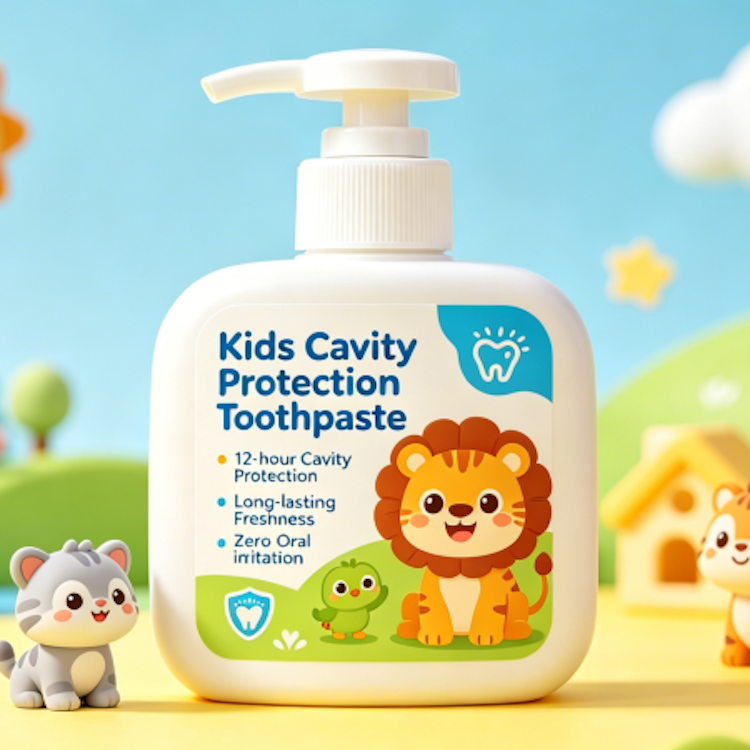
children toothpaste
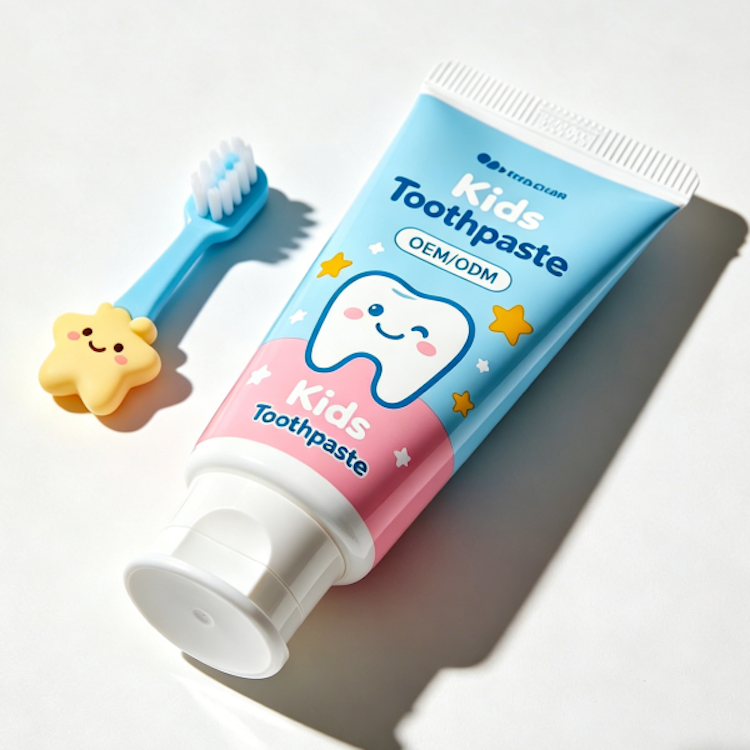
children toothpaste
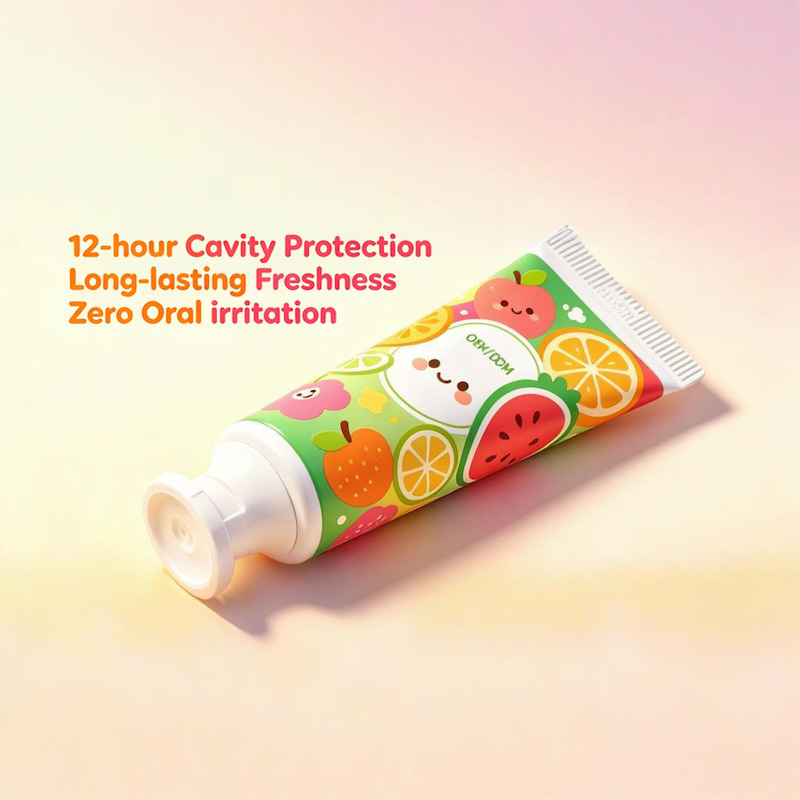
kids toothpaste
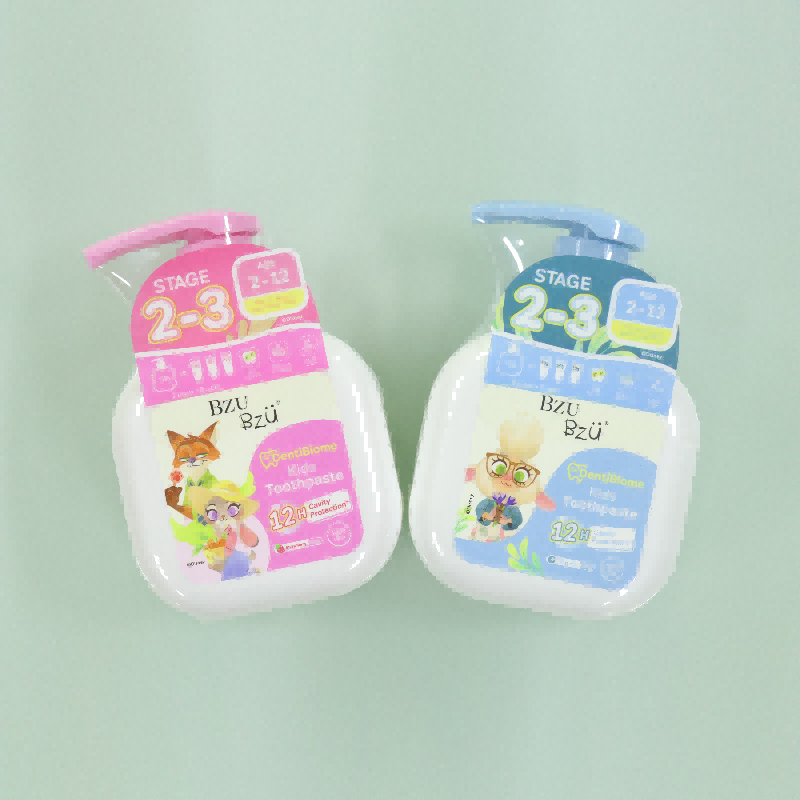
kids toothpaste
The Role of Antibacterial Toothpaste in Pediatric Care
Antibacterial toothpaste targets plaque bacteria using zinc citrate or triclosan (now rare). Does antibacterial toothpaste need less fluoride? No. Antibacterial toothpaste is meant for older teens and adults with active gum disease. Using antibacterial toothpaste on a child’s primary teeth may disrupt healthy oral flora. More importantly, antibacterial toothpaste often contains the same fluoride as regular toothpaste (1,450 ppm). That concentration is safe for children who can spit. However, because antibacterial toothpaste has a stronger chemical profile, it should never replace standard children toothpaste in early years. Reserve antibacterial toothpaste for specific dentist recommendations only.
Scientific Evidence on Lower Fluoride in Children Toothpaste
A landmark systematic review in the Cochrane Database compared 500 ppm vs. 1,000 ppm fluoride in children toothpaste. The conclusion: children toothpaste with 1,000 ppm reduced decay by 24% more than 500 ppm versions. This means that using kids toothpaste with less fluoride actually increases cavity risk. Some manufacturers continue selling low-fluoride children toothpaste only because parents fear fluorosis. However, when used correctly (pea-sized, supervised, spat out), standard toothpaste at 1,000–1,100 ppm is ideal for children over two. Kids toothpaste with ultra-low fluoride (below 500 ppm) offers almost no protection. Do not confuse antiseptic toothpaste or antibacterial toothpaste with daily children toothpaste—they serve different purposes.
Practical Guidelines for Choosing the Right Product
For most families, the optimal choice is a kids toothpaste with 1,000–1,100 ppm fluoride. If your toddler constantly swallows toothpaste, use a fluoride-free children toothpaste temporarily while training spitting, but switch back as soon as possible. Avoid antiseptic toothpaste and antibacterial toothpaste for regular use under age 12. Remember that kids toothpaste with appealing flavors still requires supervision. The goal is not less fluoride, but smarter use of toothpaste—small quantity, proper spitting, and consistent brushing.
Reducing fluoride in kids toothpaste weakens cavity protection without eliminating fluorosis risk (since fluorosis depends on total swallowed fluoride, not just concentration). Use a standard children toothpaste (1,000–1,100 ppm) in rice-grain or pea-sized amounts. Keep antiseptic toothpaste and antibacterial toothpaste for older children with specific conditions. Always supervise brushing until your child reliably spits out toothpaste. By focusing on technique rather than lowering fluoride, you protect both enamel and overall oral health. Choose children toothpaste wisely—your child’s permanent teeth depend on it.
Fujian Azalli Daily Chemicals Co., Ltd. was established in 2002 and has since become the largest integrated supplier of oral health cleaning and care products in Fujian Province, combining research and development with production.Azalli is highly focused on technology R&D and innovation. Under the leadership of Mr. Huang Qiang, a senior engineer, they have built an outstanding R&D team that is dream-driven, passionate, courageous, and creative. The team comprises mid-to-senior level engineers, masters, bachelors, and other technical personnel, dedicated to the development of oral care products. Azalli provide one-stop ODM & OEM services, offering customers a full process from product design to delivery. We ensure all our products meet the highest standards, with strict control over design, production and quality inspection, to create tailored, high-quality products for our clients.