Can Natural Preservatives Replace Parabens in Toothpaste?
For decades, parabens served as the gold standard preservative in toothpaste formulations, preventing microbial growth during storage. However, consumer concerns over synthetic chemicals have driven demand for paraben-free alternatives. The central question is whether natural preservatives can deliver the same antimicrobial protection in toothpaste without compromising safety or shelf life. This bolg analysis examines natural toothpaste formulations to determine if natural preservation systems can truly replace parabens. Any modern toothpaste that claims natural status must solve this preservation challenge, because water-containing toothpaste without effective preservatives becomes a breeding ground for bacteria and mold within weeks.
How Natural Toothpaste Achieves Preservation?
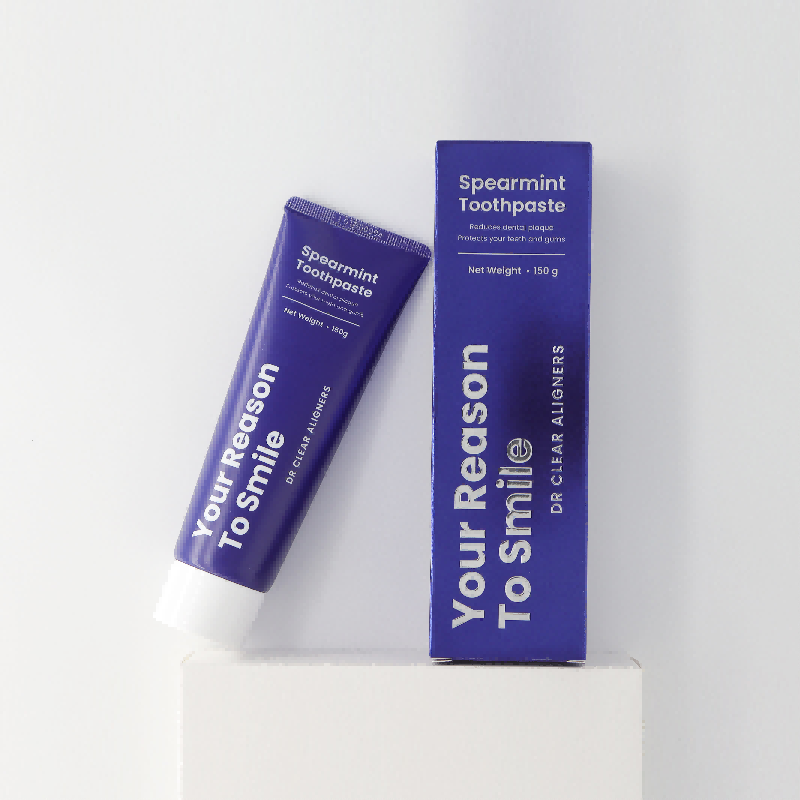
Natural toothpaste typically replaces parabens with ingredients like potassium sorbate, sodium benzoate, benzyl alcohol, or organic acids such as caprylic acid. A well-formulated natural toothpaste also reduces water activity by using humectants like vegetable glycerin or xylitol, which naturally inhibit microbes. However, natural toothpaste faces a shorter validated shelf life—typically 6 to 9 months versus 24 months for synthetic-preserved toothpaste. Manufacturers of natural toothpaste must conduct challenge tests to prove product stability. Consumers buying natural toothpaste should check expiration dates carefully. While natural toothpaste can be effectively preserved without parabens, the margin for error is smaller. Not every natural toothpaste on the market passes rigorous preservation standards.
The Unique Challenge of Native Toothpaste
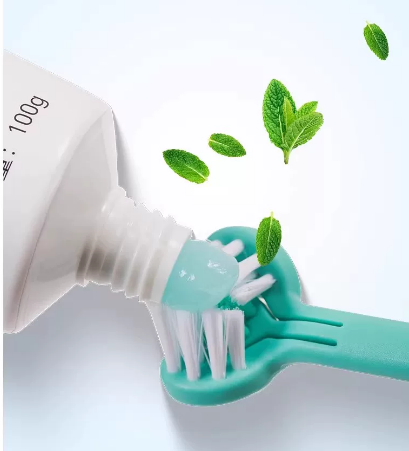
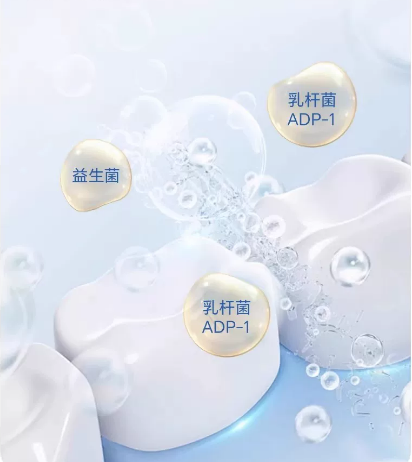
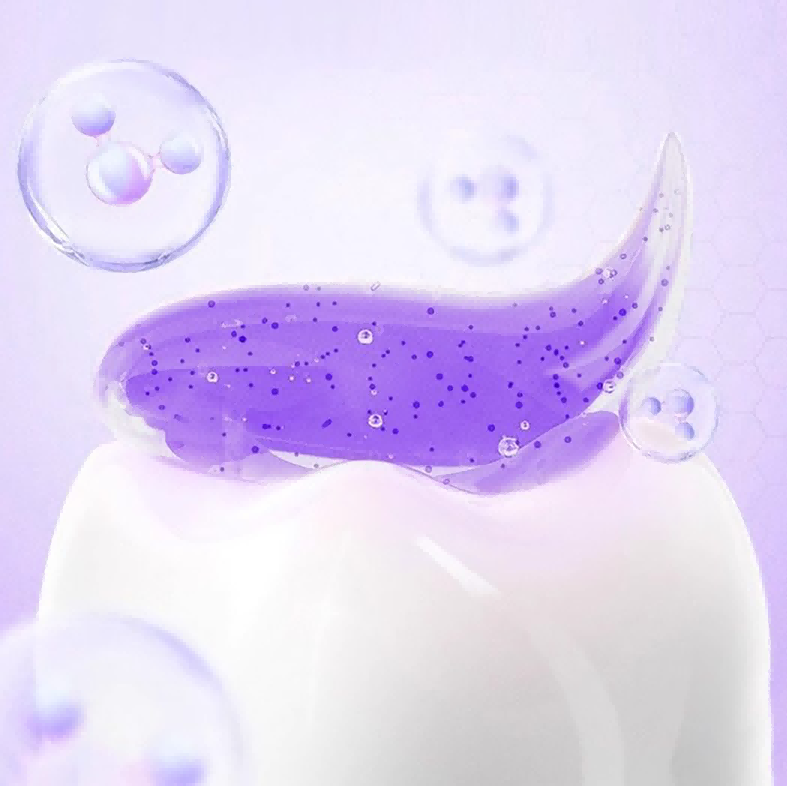
Native toothpaste refers to formulations inspired by traditional oral care practices, often using unprocessed or minimally altered ingredients. Native toothpaste avoids not only parabens but also most synthetic stabilizers. Preserving native toothpaste is particularly difficult because traditional ingredients like clay, salt, or herbal powders can introduce spore-forming bacteria. A genuine native toothpaste might rely on high ionic strength (salt) or extreme pH to achieve preservation, both of which can irritate oral tissues. Some brands of native toothpaste sell only in dry powder form to bypass water-based preservation entirely. For a wet native toothpaste, replacing parabens requires sophisticated natural preservative blends. Consumers should be aware that native toothpaste without proven preservation systems poses infection risks, especially for immunocompromised users.
Herbal Toothpaste and Botanical Preservatives
Herbal toothpaste leverages the antimicrobial properties of plant extracts such as neem, tea tree oil, clove, thyme, or rosemary oleoresin. In herbal toothpaste, these botanicals serve dual functions: therapeutic benefits and preservation. A high-quality herbal toothpaste might combine 0.5% rosemary extract with 0.3% grapefruit seed extract and 0.2% potassium sorbate to achieve paraben-equivalent protection. However, herbal toothpaste formulations vary enormously. Some herbal toothpaste products claim "no preservatives" but rely on essential oils, which can degrade and lose activity over time. True herbal toothpaste requires careful stability testing. The advantage of herbal toothpaste is that many consumers accept shorter shelf life in exchange for fully botanical preservation. Nevertheless, herbal toothpaste must still pass the same microbial limits as any commercial toothpaste.
natural toothpaste
native toothpaste
native toothpaste
native toothpaste
Natural Organic Toothpaste: The Highest Standard
Natural organic toothpaste combines certified organic ingredients with natural preservation systems. For natural organic toothpaste, acceptable preservatives are limited to those on organic standards lists (e.g., organic alcohol, potassium sorbate from non-GMO sources, or specific essential oils). A premium natural organic toothpaste often uses anhydroxylitol or fermented radish root as preservatives. However, natural organic toothpaste has the most restricted preservation toolkit. To succeed, formulators of natural organic toothpaste design low-water systems, often using organic aloe vera juice instead of deionized water, and maintain pH below 5.0. When you buy natural organic toothpaste, look for pumps or sealed tubes because air exposure accelerates spoilage. Natural organic toothpaste proves that paraben-free preservation is possible, but it requires exceptional formulation skill.
Efficacy Comparison: Natural vs. Paraben Preservation
Parabens (methylparaben, propylparaben) are broad-spectrum, stable, and effective at very low concentrations (0.1–0.3%) in toothpaste. Natural preservatives typically require higher use levels (0.5–2.0%) and narrower pH ranges. A natural toothpaste preserved with potassium sorbate works well only below pH 6.0, while native toothpaste with salt preservation might feel drying. Herbal toothpaste preserved with essential oils risks flavor alteration if oils oxidize. Natural organic toothpaste using fermented radish root has a shorter activity window. So, can natural preservatives replace parabens in toothpaste? Yes, but with trade-offs: shorter shelf life, stricter storage conditions, and higher formulation costs. For a well-made natural toothpaste, these trade-offs are acceptable to consumers avoiding synthetics.
How to Choose a Safe Paraben-Free Toothpaste?
When selecting any toothpaste without parabens, look for verified challenge test results (USP 51 or ISO 11930). A trustworthy natural toothpaste will clearly state its preservative system on the label. Avoid native toothpaste sold in translucent tubes or with visible water separation—signs of preservation failure. Herbal toothpaste should list specific preservative botanicals, not just "essential oils for freshness." Natural organic toothpaste should have an expiration date within 12 months of manufacture. Remember that toothpaste without effective preservation can grow Pseudomonas or Burkholderia, which cause oral infections. Natural preservation works beautifully in toothpaste when properly executed. Do not assume that any natural toothpaste is automatically safe; always verify the preservation claim.
Natural preservatives can replace parabens in toothpaste, provided the formulation is professionally designed and properly tested. Natural toothpaste offer viable paraben-free options. However, each category has specific weaknesses: native toothpaste may lack enough wet preservation, herbal toothpaste can see essential oil degradation, and natural organic toothpaste has the shortest shelf life. The best toothpaste for you depends on your willingness to accept these trade-offs. When buying any toothpaste without parabens, store it in a cool, dry bathroom cabinet and discard it by the expiration date. With careful selection, you can enjoy effective, paraben-free toothpaste that meets both safety and natural ingredient standards.
Fujian Azalli Daily Chemicals Co., Ltd. was established in 2002 and has since become the largest integrated supplier of oral health cleaning and care products in Fujian Province, combining research and development with production.Azalli is highly focused on technology R&D and innovation. Under the leadership of Mr. Huang Qiang, a senior engineer, they have built an outstanding R&D team that is dream-driven, passionate, courageous, and creative. The team comprises mid-to-senior level engineers, masters, bachelors, and other technical personnel, dedicated to the development of oral care products. Azalli provide one-stop ODM & OEM services, offering customers a full process from product design to delivery. We ensure all our products meet the highest standards, with strict control over design, production and quality inspection, to create tailored, high-quality products for our clients.