Does the Source of Silica Impact Toothpaste Transparency?
In modern oral care formulation, toothpaste transparency is a premium aesthetic marker. The primary determinant of this clarity is not the active ingredient but the abrasive—silica. However, not all silica is equal. The geological and synthetic origin of silica particles directly modulates light refraction within the gel matrix. For formulators of natural toothpaste, understanding this relationship prevents opaque failures. Similarly, a native toothpaste relying on unmodified minerals faces unique transparency challenges.
1. Silica Types: Synthetic vs. Mineral-Derived
Synthetic precipitated silica, manufactured under controlled pH and temperature, produces uniform spherical particles. These particles minimize light scattering, thereby maintaining high toothpaste translucency. Conversely, ground natural silica (e.g., from sand or quartz) yields irregular, jagged fragments. When incorporated into natural toothpaste, these fragments create diffuse reflection, turning the paste milky. For a native toothpaste that avoids synthetic processing, achieving crystal clarity is nearly impossible without engineered silica. Even an antiseptic toothpaste requires synthetic amorphous silica to preserve gel transparency while hosting chlorhexidine. An antibacterial toothpaste containing stannous fluoride similarly depends on uniform silica spheres.
2. Refractive Index Matching: The Core Mechanism
Toothpaste transparency occurs when the liquid phase’s refractive index (RI) matches the silica’s RI (~1.44). Synthetic silicas are designed with narrow RI distributions, facilitating exact matching with sorbitol/glycerin blends. However, natural silica source variations introduce RI fluctuations due to trace metal oxides (Fe₂O₃, Al₂O₃). In natural toothpaste, these impurities cause haze. A native toothpaste using local silica sources may exhibit batch-to-batch inconsistency. Meanwhile, an antiseptic toothpaste often includes essential oils (e.g., thymol) that alter the liquid RI—only synthetic silica can compensate via surface treatment. The same engineering applies to antibacterial toothpaste with cetylpyridinium chloride, which demands pristine clarity for consumer acceptance.
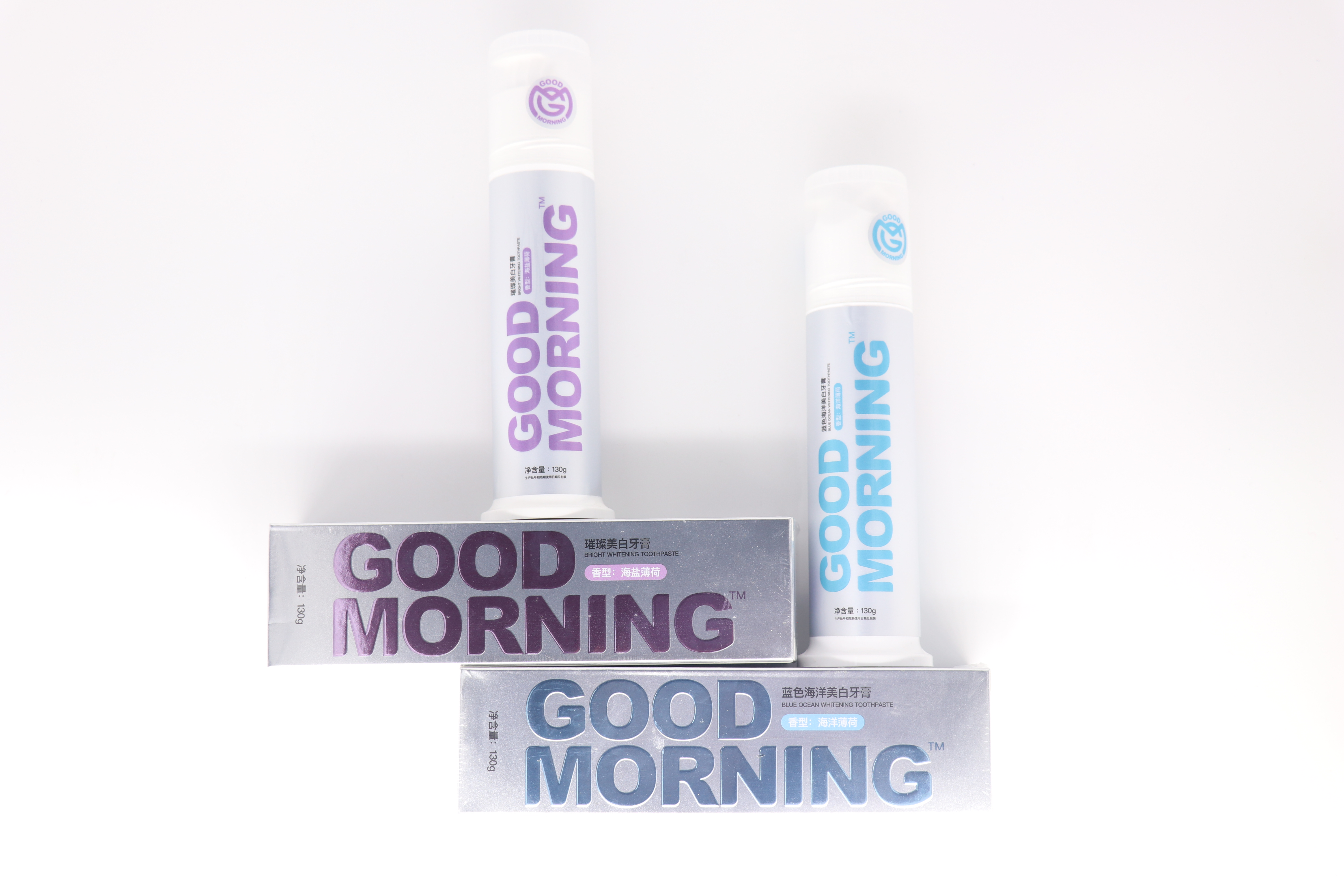
antibacterial toothpaste
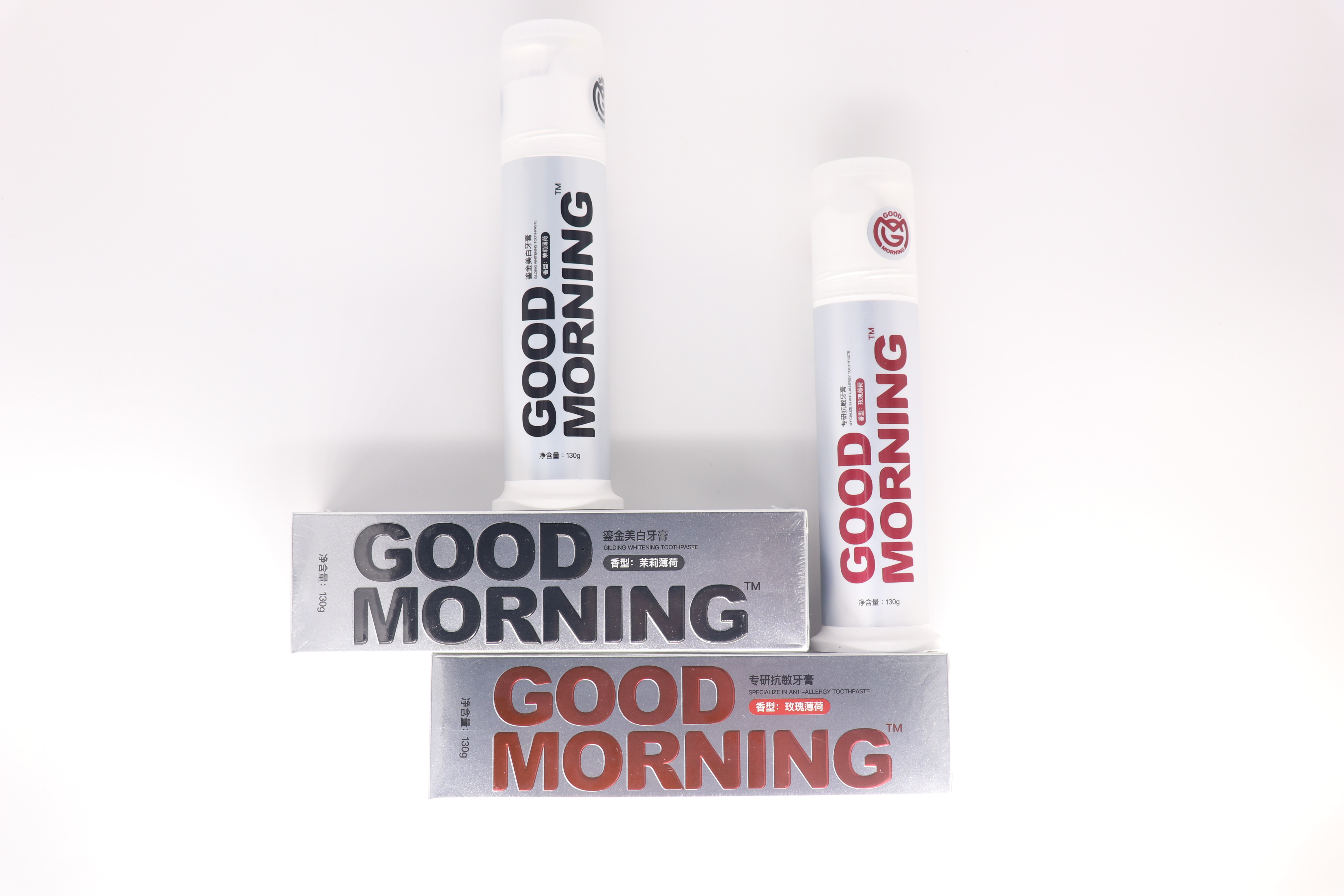
native toothpaste
natural toothpaste
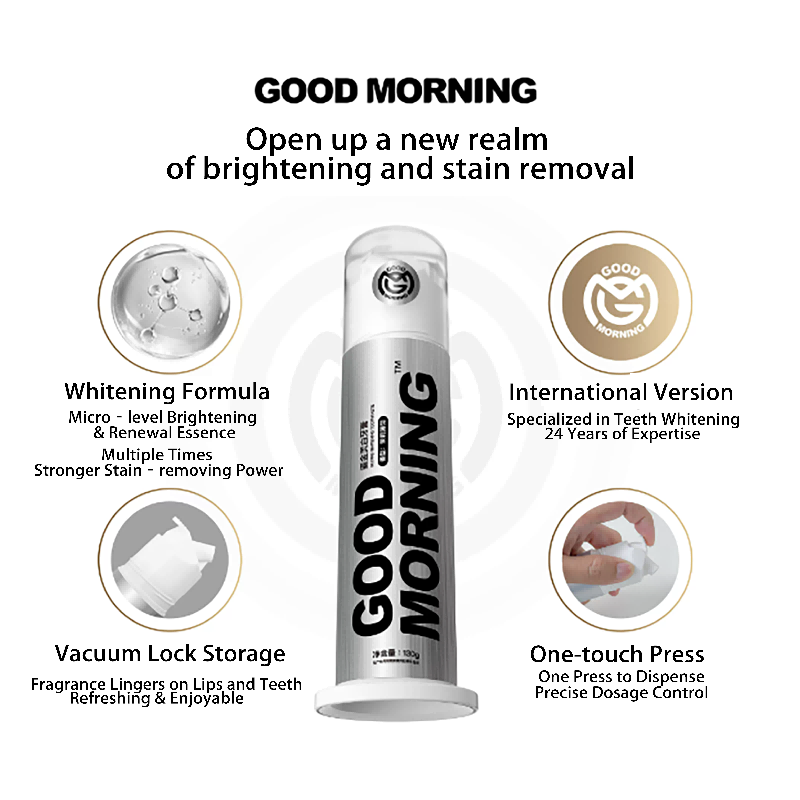
antiseptic toothpaste
3. Practical Formulation Outcomes
Data from colloid studies show: synthetic silica yields >85% light transmission in transparent toothpaste gels. In contrast, natural silica sources reduce transmission to <40%, producing an opaque white paste. For a natural toothpaste brand, compromising clarity may signal “earthiness,” but mass markets reject dull products. A native toothpaste aiming for zero synthetic additives must accept opacity, as no native silica source achieves uniform sphericity. Interestingly, antiseptic toothpaste and antibacterial toothpaste with herbal bases (neem, tea tree) often use hybrid silica: 80% synthetic for clarity + 20% natural for “clean label” claims. Yet competitive transparent toothpaste remains 100% synthetic-silica-dependent.
Even the cleanest natural toothpaste label may sacrifice clarity for purity. A strictly native toothpaste will never achieve commercial transparency. Meanwhile, antibacterial toothpaste can remain clear if formulators choose synthetic precipitated silica over any native source.
The silica source fundamentally impacts toothpaste clarity. Synthetic silica enables crystal gels; natural or native silica causes opacity. For natural toothpaste or native toothpaste, this is an inherent trade-off. For antiseptic toothpaste and antibacterial toothpaste, synthetic silica remains the only path to transparent success. Always match the abrasive source to your desired optical outcome.
Fujian Azalli Daily Chemicals Co., Ltd. was established in 2002 and has since become the largest integrated supplier of oral health cleaning and care products in Fujian Province, combining research and development with production.Azalli is highly focused on technology R&D and innovation. Under the leadership of Mr. Huang Qiang, a senior engineer, they have built an outstanding R&D team that is dream-driven, passionate, courageous, and creative. The team comprises mid-to-senior level engineers, masters, bachelors, and other technical personnel, dedicated to the development of oral care products. Azalli provide one-stop ODM & OEM services, offering customers a full process from product design to delivery. We ensure all our products meet the highest standards, with strict control over design, production and quality inspection, to create tailored, high-quality products for our clients.