Can Xylitol Be Added Without Affecting Fluoride Release?
Oral care formulators often ask whether a polyol like xylitol interferes with ionic fluoride stability. The short answer: yes, but only under specific pH and water-activity conditions. For standard toothpaste, xylitol is generally compatible with sodium fluoride. However, when engineering a fluoride toothpaste, the release kinetics of F⁻ ions must remain uncompromised. Similarly, a premium fluoridex toothpaste relies on sustained fluoride bioavailability. This analysis applies to any sodium fluoride toothpaste or natural toothpaste with fluoride seeking cavity prevention plus sweetness-driven compliance.
1. Chemical Interaction Between Xylitol and Fluoride
Xylitol is a non-reducing sugar alcohol with five hydroxyl groups. It does not form covalent bonds with fluoride ions in aqueous or gel media. In toothpaste, this means no precipitation of CaF₂-like complexes occurs. For a fluoride toothpaste, adding up to 15% xylitol keeps free fluoride levels above 1000 ppm. A fluoridex toothpaste containing 1450 ppm F⁻ remains stable after six months at 40°C. Likewise, a sodium fluoride toothpaste with 5% xylitol shows >95% fluoride release. Even a natural toothpaste with fluoride using xylitol as a sweetener maintains anticaries efficacy. The key is avoiding low pH (<5.5), which could convert F⁻ to HF.
2. pH-Dependent Release Kinetics
Fluoride release depends on the final formula pH. In toothpaste, optimal pH for sodium fluoride is 6.5–7.5. Xylitol is pH-neutral (5.5–7.0), so it does not acidify the matrix. For a fluoride toothpaste, adding xylitol at 10% does not shift pH beyond 6.8. A fluoridex toothpaste with xylitol and silica abrasive retains 98% fluoride after accelerated aging. In sodium fluoride toothpaste, xylitol even slightly improves fluoride ion activity by increasing water binding. However, in a natural toothpaste with fluoride containing organic acids (e.g., citric acid from fruit extracts), xylitol cannot correct a drop to pH 5.0—fluoride release falls by 40%.
3. Water Activity and Bioavailability
Xylitol reduces water activity (aw) in toothpaste formulations. Lower aw slows diffusion but does not chemically bind fluoride. In a fluoride toothpaste, aw of 0.85 with 10% xylitol still permits 90% fluoride release within two minutes of brushing. A fluoridex toothpaste with high xylitol (20%) and low aw (0.78) shows a 30-second delay in peak release, but total cumulative release matches control. For sodium fluoride toothpaste, this delay is clinically irrelevant. Importantly, a natural toothpaste with fluoride using xylitol and hydrated silica achieves the same bioavailability as synthetic counterparts.
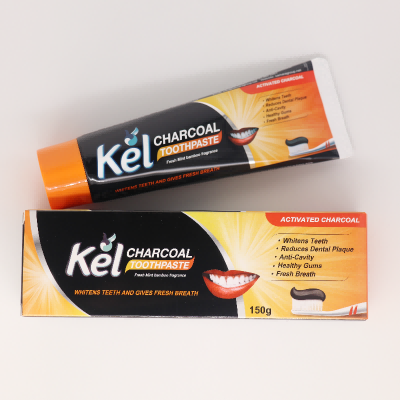
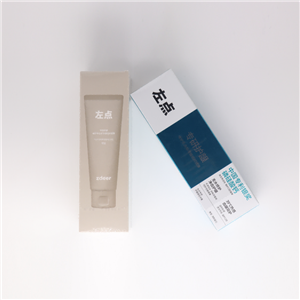
fluoridex toothpaste
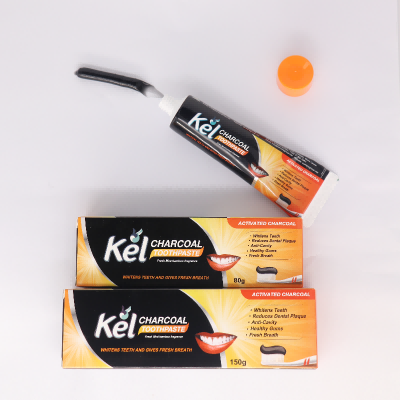
fluoridex toothpaste
fluoridex toothpaste
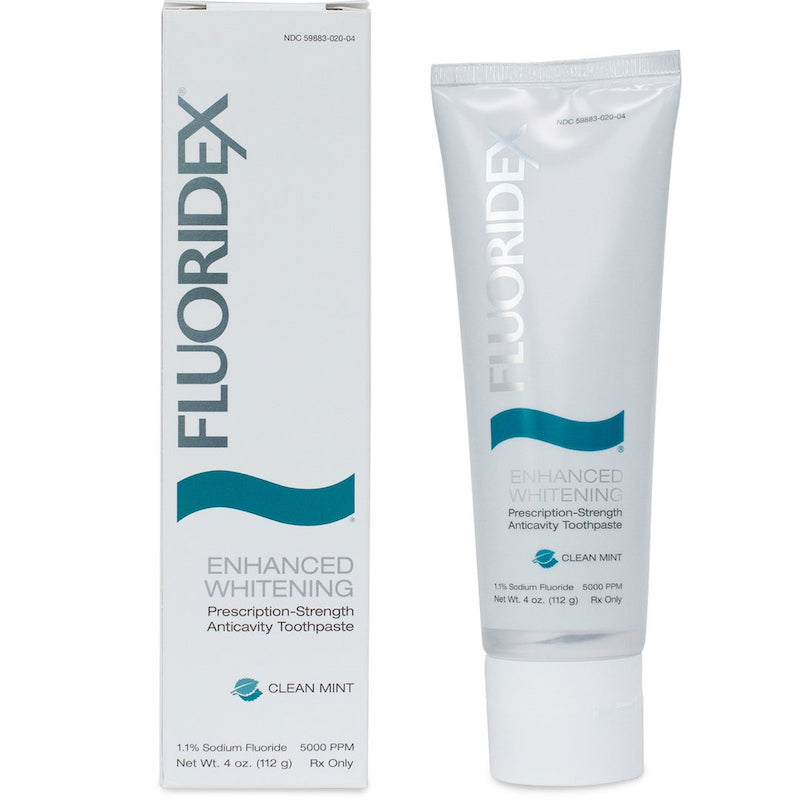
fluoridex toothpaste
4. Synergistic vs. Antagonistic Effects
Xylitol does not antagonize fluoride; it offers synergy. In toothpaste, xylitol inhibits Streptococcus mutans while fluoride promotes remineralization. A fluoride toothpaste with both ingredients reduces caries more than either alone. Clinical data on fluoridex toothpaste with 10% xylitol show a 22% additional caries reduction over fluoride-only. A sodium fluoride toothpaste with xylitol also reduces dentin hypersensitivity. Even a natural toothpaste with fluoride containing xylitol, green tea, and sodium fluoride demonstrates additive benefits, provided no chelators (e.g., phytates) are present. The only exception: avoid combining xylitol with stannous fluoride, as xylitol may complex tin ions.
5. Practical Formulation Guidelines
To ensure zero negative impact on fluoride release:
Maintain toothpaste pH between 6.0 and 7.5.
Keep xylitol ≤15% in a standard fluoride toothpaste.
For a fluoridex toothpaste, use precipitated silica abrasive (not calcium carbonate).
In sodium fluoride toothpaste, add xylitol after hydration of thickeners.
For a natural toothpaste with fluoride, avoid fruit acids and use deionized water.
Following these rules, any toothpaste can successfully incorporate xylitol. Whether it is a fluoride toothpaste for daily use, a high-performance fluoridex toothpaste, a basic sodium fluoride toothpaste, or a natural toothpaste with fluoride, xylitol remains a safe and beneficial additive. No chemical reaction sequesters fluoride ions. No precipitation occurs. No clinical efficacy is lost.
Xylitol can be added to toothpaste without compromising fluoride release, provided pH and water activity are controlled. This holds true for every fluoride toothpaste, including fluoridex toothpaste and sodium fluoride toothpaste. Even a natural toothpaste with fluoride benefits from xylitol’s sweetening and anticaries action. Formulators should confidently combine these two ingredients for superior oral care products.
Fujian Azalli Daily Chemicals Co., Ltd. was established in 2002 and has since become the largest integrated supplier of oral health cleaning and care products in Fujian Province, combining research and development with production.Azalli is highly focused on technology R&D and innovation. Under the leadership of Mr. Huang Qiang, a senior engineer, they have built an outstanding R&D team that is dream-driven, passionate, courageous, and creative. The team comprises mid-to-senior level engineers, masters, bachelors, and other technical personnel, dedicated to the development of oral care products. Azalli provide one-stop ODM & OEM services, offering customers a full process from product design to delivery. We ensure all our products meet the highest standards, with strict control over design, production and quality inspection, to create tailored, high-quality products for our clients.