Can Propolis Extract Be Stabilized in High-Water Toothpaste Systems?
Propolis extract contains over 300 bioactive compounds, including flavonoids, phenolic acids, and waxes. In high-water toothpaste systems (water >30%), these hydrophobic molecules tend to aggregate, precipitate, or degrade within weeks. For a propolis toothpaste, maintaining uniform dispersion is critical. Similarly, a bee propolis toothpaste must prevent phase separation and microbial contamination. This challenge also affects any cavity toothpaste that relies on propolis for antimicrobial activity. Therefore, stabilizing bee propolis toothpaste in aqueous matrices requires advanced emulsification and antioxidant strategies.
1. Why High Water Destabilizes Propolis?
Water activity above 0.85 accelerates propolis degradation. In standard toothpaste, water hydrolyzes ester bonds in phenolic compounds, reducing flavonoid concentration by up to 40% in three months. For a propolis toothpaste, this leads to brown sediment formation. A bee propolis toothpaste with 35% water shows visible particle aggregation within two weeks. Even a cavity toothpaste designed for anticaries action loses propolis-specific antibacterial activity when flavonoids degrade. Thus, stabilizing natural life propolis toothpaste requires water-binding agents and antioxidant systems.
2. Emulsification Technologies That Work
To stabilize toothpaste with high water content, formulators use oil-in-water nanoemulsions. For a propolis toothpaste, lecithin or polysorbate 80 reduces interfacial tension between propolis waxes and the aqueous phase. A bee propolis toothpaste containing 2% propolis and 1.5% lecithin remains stable for nine months at 25°C. In a cavity toothpaste, the same technology preserves flavonoid release. Commercial bee propolis toothpaste often employs high-pressure homogenization to achieve droplet sizes <200 nm, preventing creaming and sedimentation.
3. Role of Thickeners and Gelling Agents
Hydrocolloids control water mobility in toothpaste systems. For a propolis toothpaste, xanthan gum (0.5–1.0%) creates a pseudoplastic gel that suspends propolis particles. A bee propolis toothpaste benefits from sodium carboxymethylcellulose (CMC), which binds free water and reduces hydrolysis kinetics. In a cavity toothpaste, a combination of carrageenan and guar gum improves propolis dispersion. However, natural life propolis toothpaste should avoid carbomer, as its low pH (5.5–6.0) degrades propolis flavonoids. Neutral pH thickeners (xanthan, CMC) are preferred.
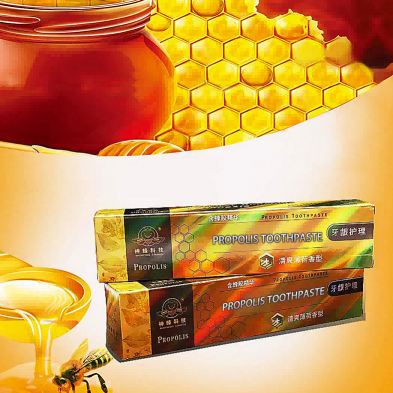
natural life propolis toothpaste
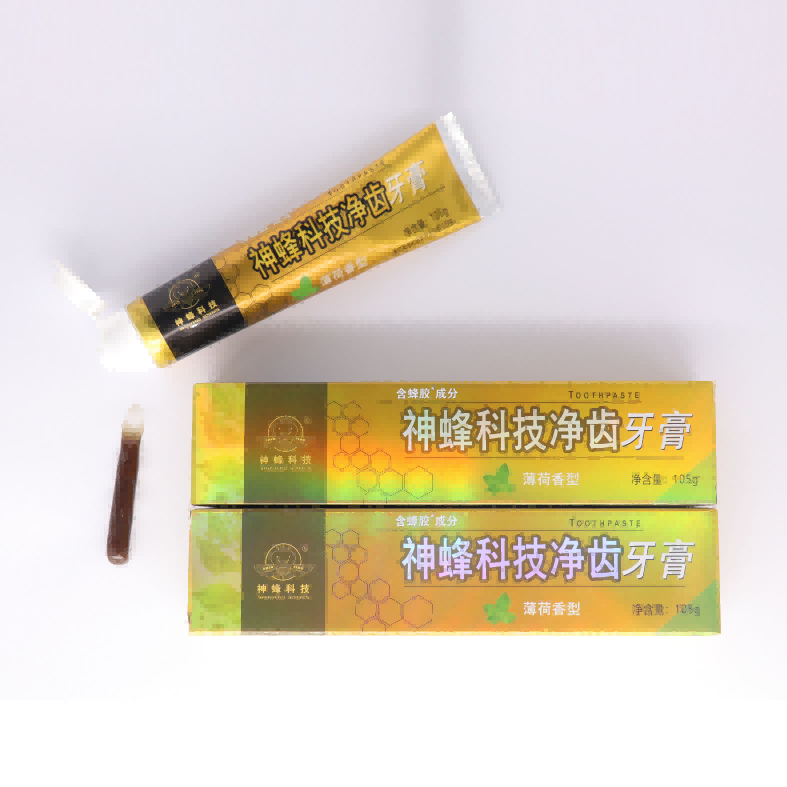
natural life propolis toothpaste
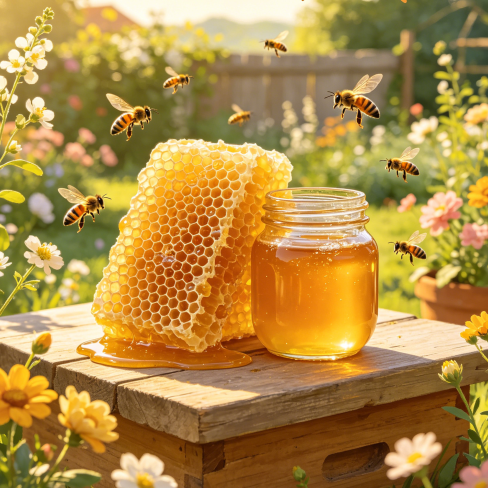
cavity toothpaste
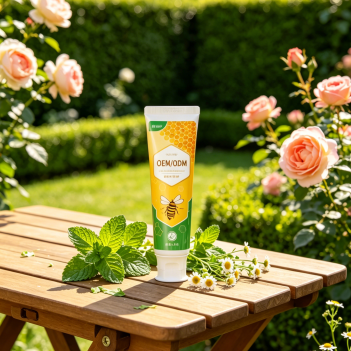
cavity toothpaste
4. Antioxidant Synergists for Long-Term Stability
Propolis itself has antioxidant capacity, but in high-water toothpaste, additional protection is needed. For a propolis toothpaste, adding 0.1% tocopherol (vitamin E) or rosemary extract prevents flavonoid oxidation. A bee propolis toothpaste with 0.2% ascorbyl palmitate shows 90% flavonoid retention after six months at 40°C. In a cavity toothpaste, EDTA (disodium salt) chelates trace metals (Fe³⁺, Cu²⁺) that catalyze phenolic degradation. Thus, a stabilized bee propolis toothpaste combines propolis, a chelator, and a lipophilic antioxidant.
5. pH and Preservative Considerations
Optimal pH for toothpaste containing propolis is 6.0–7.0. Below pH 5.5, flavonoids precipitate; above pH 8.0, hydrolysis accelerates. For a propolis toothpaste, buffering with sodium phosphate maintains stability. A bee propolis toothpaste requires a broad-spectrum preservative (e.g., sodium benzoate 0.5% + potassium sorbate 0.3%) because propolis alone does not prevent bacterial growth in high-water systems. In a cavity toothpaste, phenoxyethanol is also compatible. Every bee propolis toothpaste intended for shelf life >12 months should include a preservative booster.
6. Formulation Checklist for Success
To stabilize toothpaste with propolis in high water:
Use nanoemulsion (lecithin or polysorbate 80) for propolis toothpaste.
Add xanthan gum or CMC to suspend particles in bee propolis toothpaste.
Include tocopherol and EDTA for any cavity toothpaste.
Maintain pH 6.0–7.0 for all bee propolis toothpaste formulations.
Use a preservative system (benzoate + sorbate) to prevent microbial growth.
Following these principles, a toothpaste containing 2–5% water and 1–3% propolis achieves >12 months stability. Whether formulating a propolis toothpaste for natural oral care, a natural life propolis toothpaste for antimicrobial claims, or a cavity toothpaste with dual-action prevention, stabilization is achievable. The same techniques apply to every bee propolis toothpaste seeking commercial viability.
Propolis extract can be stabilized in high-water toothpaste systems when nanoemulsification, thickeners, antioxidants, and preservatives are correctly applied. A propolis toothpaste remains uniform and bioactive for over one year. A bee propolis toothpaste retains its characteristic flavonoid profile. Furthermore, a cavity toothpaste containing propolis delivers consistent antimicrobial performance. Every bee propolis toothpaste formulator should implement the strategies outlined above to ensure product quality and regulatory compliance.
Fujian Azalli Daily Chemicals Co., Ltd. was established in 2002 and has since become the largest integrated supplier of oral health cleaning and care products in Fujian Province, combining research and development with production.Azalli is highly focused on technology R&D and innovation. Under the leadership of Mr. Huang Qiang, a senior engineer, they have built an outstanding R&D team that is dream-driven, passionate, courageous, and creative. The team comprises mid-to-senior level engineers, masters, bachelors, and other technical personnel, dedicated to the development of oral care products. Azalli provide one-stop ODM & OEM services, offering customers a full process from product design to delivery. We ensure all our products meet the highest standards, with strict control over design, production and quality inspection, to create tailored, high-quality products for our clients.