How to Prevent Toothpaste from Dehydrating and Shrinking?
Toothpaste dehydration manifests as hardening, cracking, and shrinking near the nozzle or along crimped tube edges. This defect occurs when water evaporates from the continuous phase, disrupting the gel network. For natural toothpaste lacking synthetic humectants, the risk is significantly higher. Similarly, an antiseptic toothpaste containing alcohol-based actives may accelerate moisture loss. An antibacterial toothpaste with ionic actives requires strict water retention. Even a standard fluoride toothpaste can fail if humectant systems are imbalanced. Preventing dehydration demands a multi-faceted approach.
1. Optimize the Humectant Trio
Every toothpaste requires a humectant system to bind free water. Glycerin, sorbitol, and propylene glycol are the primary agents. For a natural toothpaste, glycerin (40–50%) combined with sorbitol (20–30%) provides synergistic water binding. An antiseptic toothpaste should avoid low-molecular-weight glycols that penetrate and dry out the gel. For an antibacterial toothpaste, a 3:1 ratio of glycerin to sorbitol minimizes syneresis (water separation). A fluoride toothpaste benefits from 45–55% total humectants, maintaining water activity below 0.75. Without this, any toothpaste will shrink within weeks.
2. Control Initial Water Content
Dehydration accelerates when toothpaste contains excessive free water. The optimal range is 10–20% total water. For natural toothpaste, water above 25% leads to rapid evaporation through tube lamina. An antiseptic toothpaste with 15% water and 50% humectants loses only 2% moisture over six months. An antibacterial toothpaste formulated at 12% water shows no visible shrinkage after accelerated aging (40°C/75% RH). A fluoride toothpaste with 18% water requires additional barrier packaging. Every toothpaste formula must calculate water-to-humectant ratio: ideally 1:3 or lower.
3. Select the Correct Thickener System
Hydrocolloids influence water mobility in toothpaste gels. Sodium carboxymethylcellulose (CMC) and xanthan gum form tight water-binding networks. For natural toothpaste, xanthan gum at 0.8–1.2% creates a stable matrix that resists dehydration. An antiseptic toothpaste benefits from carrageenan (0.5–0.8%), which retains water even in low-humidity environments. An antibacterial toothpaste using carbomer (0.4–0.6%) requires neutralization with sodium hydroxide to prevent syneresis. A fluoride toothpaste with CMC (1.0%) shows 50% less moisture loss compared to untreated controls. A poorly thickened toothpaste will shrink regardless of humectant levels.
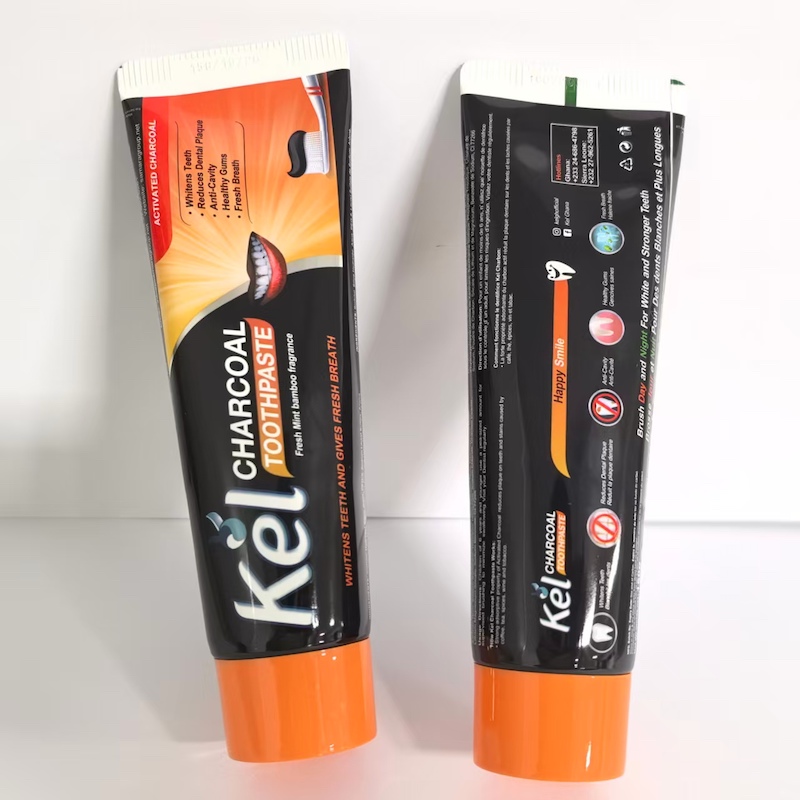
fluoride toothpaste
antiseptic toothpaste
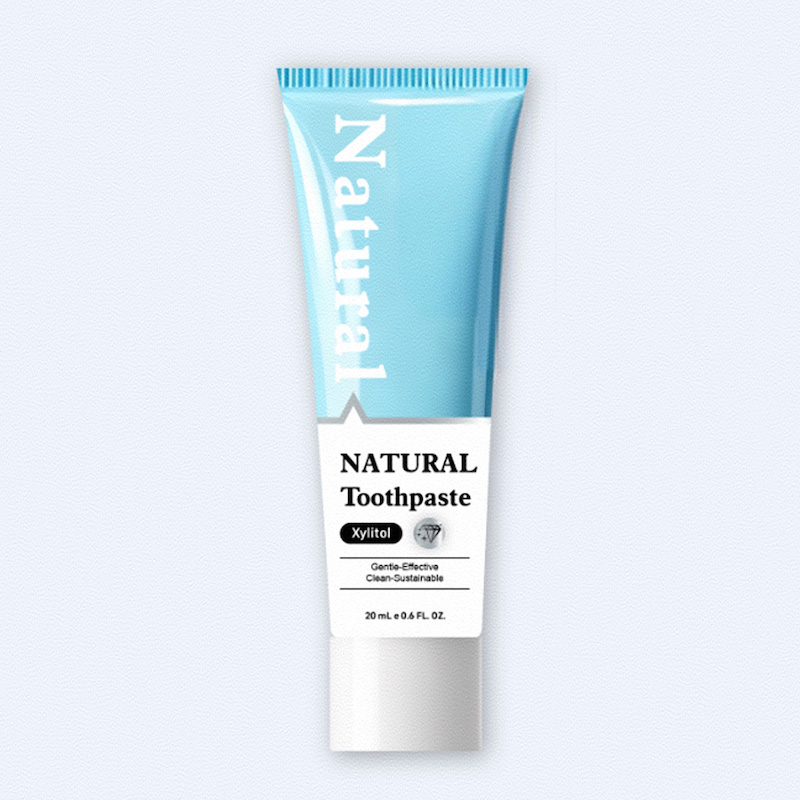
natural toothpaste
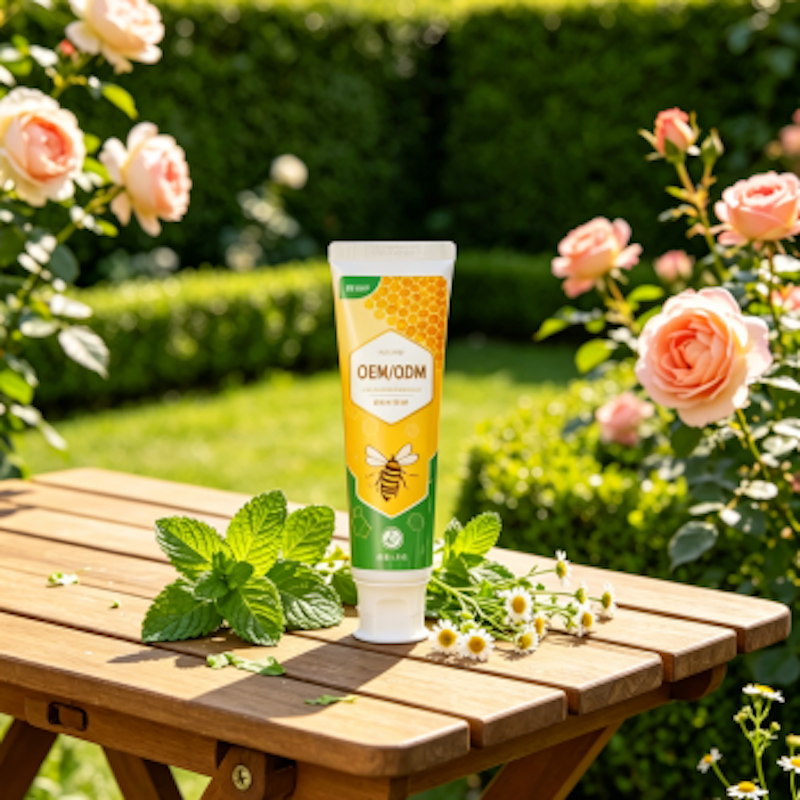
fluoride toothpaste
4. Upgrade Tube Barrier Properties
Packaging is the final defense against toothpaste dehydration. Laminate tubes must have an EVOH (ethylene vinyl alcohol) barrier layer. For natural toothpaste, avoid polyethylene-only tubes, which allow 15% moisture loss per year. An antiseptic toothpaste containing volatile essential oils (e.g., eucalyptol) requires aluminum barrier tubes. An antibacterial toothpaste with triclosan or chlorhexidine should use five-layer laminate with EVOH thickness ≥15 μm. A fluoride toothpaste in standard laminate loses 5–8% water in 12 months; upgrading to EVOH reduces this to <2%. Any toothpaste in a monolayer tube will inevitably dehydrate.
5. Avoid Common Formulation Mistakes
Several errors accelerate toothpaste shrinkage. First, using low-quality sorbitol (70% solids) without adjusting water content. Second, adding high concentrations of silica abrasive (>25%), which absorbs free water. For natural toothpaste, silica should not exceed 20%. An antiseptic toothpaste should never include ethanol above 2%, as alcohol promotes evaporation. An antibacterial toothpaste must avoid high levels of propylene glycol (>10%), which plasticizes tube seals. A fluoride toothpaste with excessive sodium lauryl sulfate (>2.5%) disrupts the gel network, causing water separation. Properly balanced toothpaste formulas avoid all these pitfalls.
6. Stability Testing Protocols
To validate that toothpaste resists dehydration, conduct three tests. First, 40°C/75% RH open-tube study: weigh tubes weekly for eight weeks. A good natural toothpaste loses <5% weight. Second, freeze-thaw cycling (−10°C to 25°C): an antiseptic toothpaste should show no cracks after five cycles. Third, crimp integrity test: an antibacterial toothpaste must retain >90% moisture after six months horizontal storage. A fluoride toothpaste passing these tests will not shrink on retail shelves. Every toothpaste batch should include dehydrated weight loss monitoring.
Preventing toothpaste from dehydrating and shrinking requires optimized humectant ratios, controlled water content, proper thickeners, high-barrier tubes, and avoidance of common errors. A natural toothpaste can remain stable with glycerin-sorbitol blends and xanthan gum. An antiseptic toothpaste needs aluminum barrier packaging to retain volatile components. An antibacterial toothpaste benefits from CMC and EVOH laminate tubes. A fluoride toothpaste with 1:3 water-to-humectant ratio maintains integrity for 24 months. By applying these principles, any toothpaste formulation will resist dehydration, ensuring consumer satisfaction and product longevity.
Fujian Azalli Daily Chemicals Co., Ltd. was established in 2002 and has since become the largest integrated supplier of oral health cleaning and care products in Fujian Province, combining research and development with production.Azalli is highly focused on technology R&D and innovation. Under the leadership of Mr. Huang Qiang, a senior engineer, they have built an outstanding R&D team that is dream-driven, passionate, courageous, and creative. The team comprises mid-to-senior level engineers, masters, bachelors, and other technical personnel, dedicated to the development of oral care products. Azalli provide one-stop ODM & OEM services, offering customers a full process from product design to delivery. We ensure all our products meet the highest standards, with strict control over design, production and quality inspection, to create tailored, high-quality products for our clients.