Does Mouthwash Permanently Cure Bad Breath or Just Mask It?
Halitosis affects millions worldwide, creating social anxiety and prompting widespread mouthwash use. Yet confusion persists about whether these products address underlying causes or simply provide temporary freshness. Understanding this distinction proves essential for effective breath management.
The Source of Oral Malodor
Bad breath originates primarily from microbial activity within the oral cavity. Anaerobic bacteria colonizing the tongue dorsum, periodontal pockets, and interdental spaces metabolize proteins and produce volatile sulfur compounds—hydrogen sulfide, methyl mercaptan, and dimethyl sulfide. These malodorous molecules create the characteristic smells associated with halitosis.
True halitosis resolution requires reducing these bacterial populations or neutralizing their metabolic byproducts. Temporary approaches merely mask odors without addressing the underlying microbial source.
Antimicrobial Mouthwash Mechanisms
Antimicrobial mouthwash targets breath problems at their bacterial origin. Ingredients including chlorhexidine, cetylpyridinium chloride, and essential oils penetrate oral biofilms and reduce populations of odor-producing bacteria. This bacterial reduction diminishes volatile sulfur compound production at its source.
Antibacterial mouthwash formulations demonstrate particular efficacy against gram-negative anaerobes responsible for most oral malodor. Regular use significantly reduces both bacterial counts and measurable volatile sulfur compounds, providing benefits beyond temporary fragrance.
The Masking Phenomenon
Many commercial mouthwash products rely heavily on flavoring agents that temporarily overwhelm malodor perception. Strong mint, cinnamon, or other flavors provide immediate freshness that fades within hours as flavor compounds are swallowed or diluted. When the fragrance dissipates, underlying bacterial activity continues producing malodor unchanged.
Consumers relying on these cosmetic mouthwash products experience the frustrating pattern of temporary relief followed by rapid breath deterioration—the classic masking effect.
Xylitol Mouthwash Advantages
Xylitol mouthwash offers distinctive benefits for halitosis through multiple mechanisms. Xylitol cannot be metabolized by oral bacteria, disrupting their energy production and reducing their numbers over time. This gradual bacterial reduction addresses malodor at its source while providing pleasant sweetness without fermentable sugars.
Xylitol mouthwash also stimulates saliva flow—nature's own breath freshener. Saliva mechanically cleanses the mouth, buffers bacterial acids, and contains antimicrobial proteins that suppress odor-producing organisms.
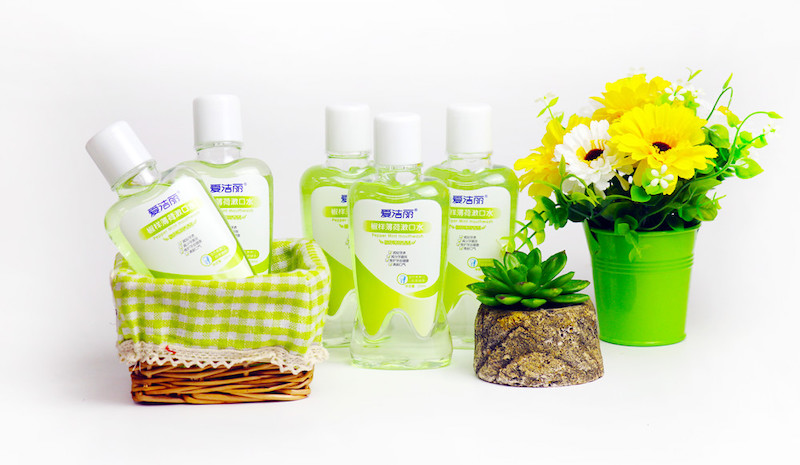
xylitol mouthwash
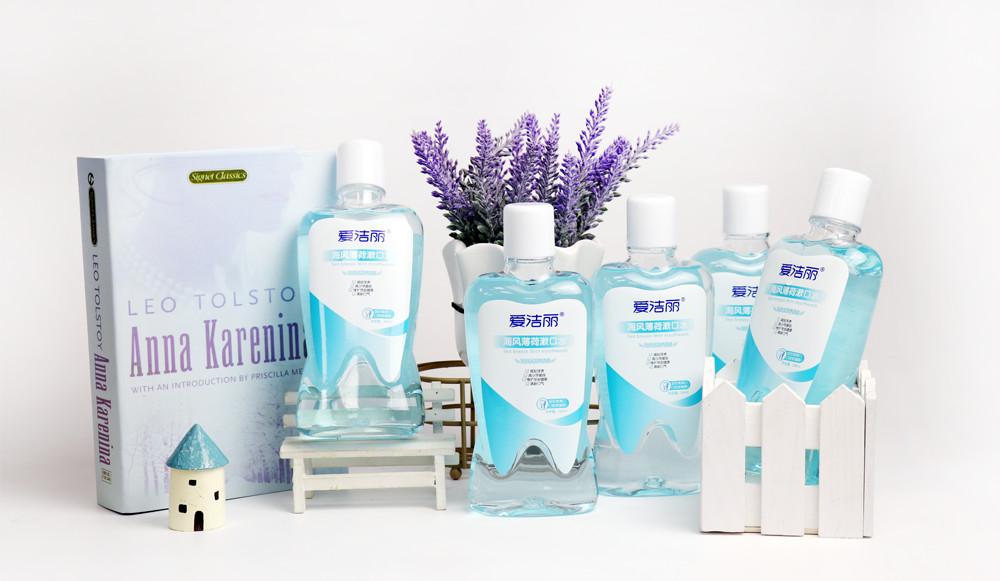
antibacterial mouthwash
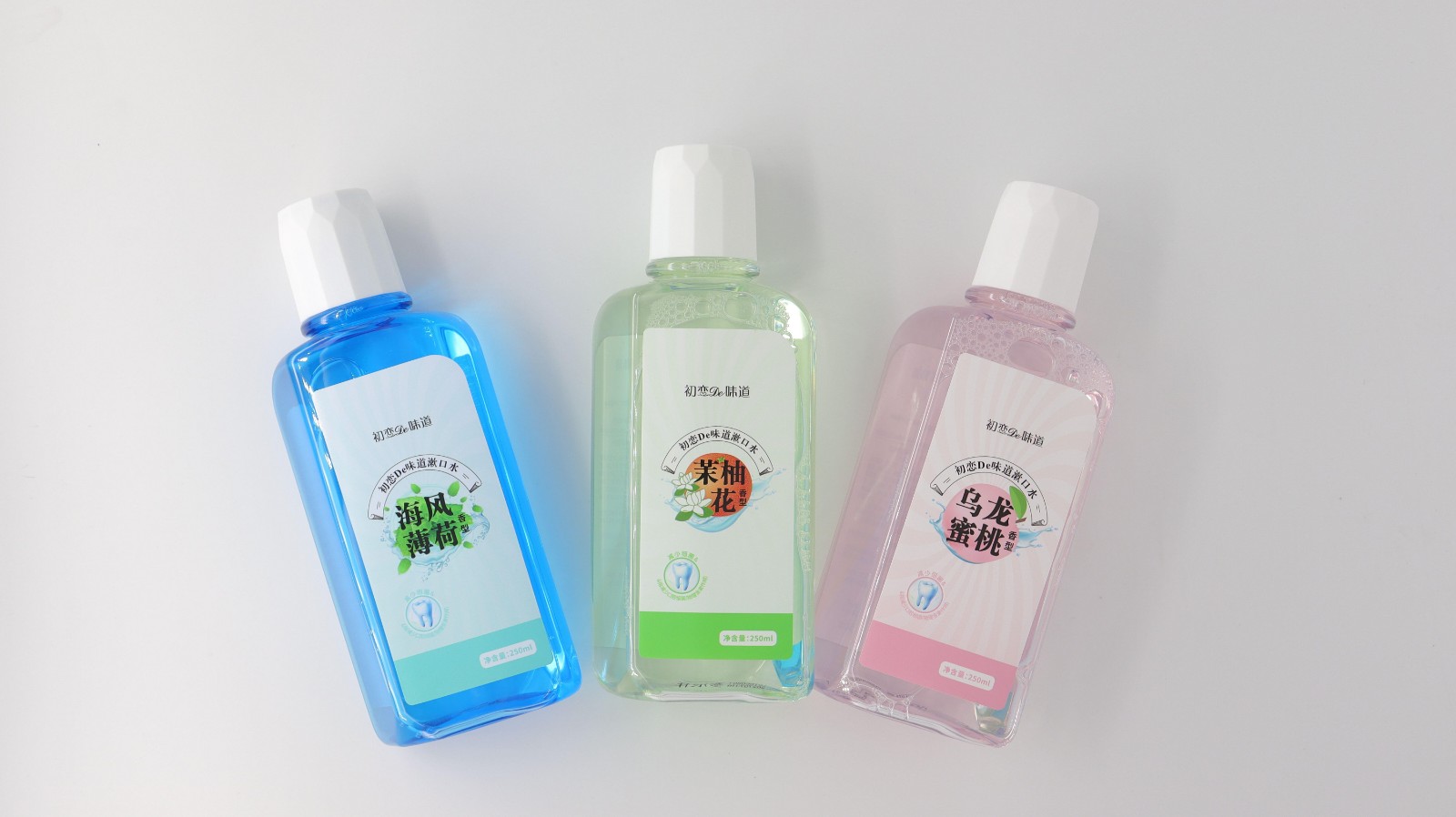
antimicrobial mouthwash
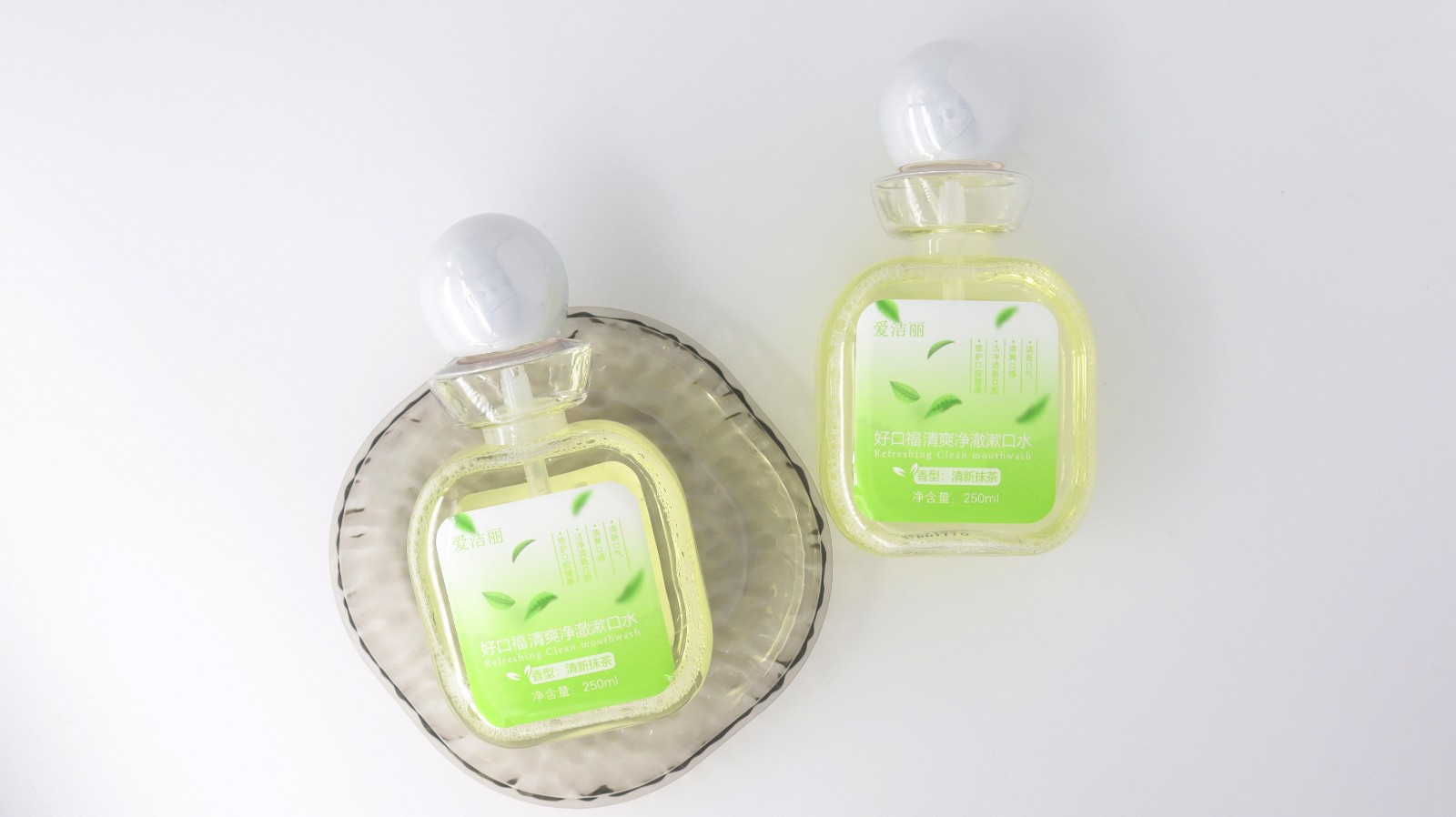
probiotic mouthwash
Probiotic Mouthwash Approaches
Probiotic mouthwash represents an emerging strategy for sustainable breath freshening. Rather than eliminating all bacteria, probiotic formulations introduce beneficial microorganisms that competitively exclude odor-producing species. This ecological approach may provide longer-lasting results than broad-spectrum antimicrobials.
Specific probiotic strains demonstrate ability to inhibit volatile sulfur compound production by pathogenic bacteria. Regular probiotic mouthwash use may gradually shift oral microbial ecology toward communities producing fewer malodorous compounds.
Comprehensive Halitosis Management
Sustainable breath improvement requires addressing all oral sites harboring odor-producing bacteria. Tongue cleaning physically removes bacterial accumulations from the dorsal surface. Interdental cleaning reaches spaces between teeth where anaerobic conditions prevail. Professional cleaning removes calculus deposits that shelter odor producers.
Quality mouthwash functions within this comprehensive framework rather than replacing mechanical cleaning. Azalli's specialized formulations exemplify this integrated approach, with products designed to complement thorough oral hygiene rather than substitute for it.
Duration and Consistency Factors
Whether mouthwash provides permanent versus temporary results depends heavily on usage patterns. Occasional use offers brief relief as bacteria rapidly recolonize oral surfaces. Consistent twice-daily use maintains reduced bacterial populations, providing cumulative benefits over time.
For true halitosis management, mouthwash must become permanent habit rather than occasional intervention. The distinction between masking and curing ultimately reflects this consistency dimension.
Individual Variation Considerations
Halitosis causes vary significantly among individuals, affecting appropriate mouthwash selection. Tongue-coating predominance may respond best to mechanical cleaning with supportive rinsing. Periodontal sources require professional intervention alongside antimicrobial support. Systemic causes—respiratory infections, diabetes, hepatic or renal conditions—demand medical management beyond oral approaches.
Mouthwash can either temporarily mask bad breath or contribute to genuine halitosis improvement, depending on formulation and usage patterns. Antimicrobial mouthwash and antibacterial mouthwash reduce odor-producing bacterial populations at their source. Xylitol mouthwash disrupts bacterial metabolism and stimulates protective saliva. Probiotic mouthwash offers ecological approaches to sustainable freshness. Combined with mechanical cleaning and professional guidance, appropriate mouthwash selection transforms rinsing from temporary cosmetic fix into genuinely therapeutic intervention for lasting breath confidence.