Does Mouthwash Help Reduce the Viral Load in the Oral Cavity?
The oral cavity serves as a primary entry point and replication site for numerous viruses affecting human health. From seasonal respiratory pathogens to herpesviruses, the mouth harbors viral populations that influence both oral and systemic disease. This raises an important question: can mouthwash contribute to viral load reduction?
Understanding Oral Viral Reservoirs
The mouth's complex ecosystem includes mucosal surfaces, salivary glands, and periodontal pockets—all potential viral reservoirs. Viruses replicate in oral tissues and shed into saliva, creating ongoing transmission risk and potential for autoinoculation to other body sites. Reducing this viral burden offers theoretical benefits for both individual health and public health.
Antimicrobial Mouthwash Mechanisms
Antimicrobial mouthwash formulated with specific agents demonstrates virucidal activity in laboratory studies. Ingredients including cetylpyridinium chloride, essential oils, and povidone-iodine disrupt viral envelopes or capsids, rendering viruses non-infectious. Antibacterial mouthwash formulations often share these virucidal properties through similar membrane-disrupting mechanisms.
Clinical studies examining antimicrobial mouthwash effects on salivary viral loads show promising but variable results. Significant reductions in detectable virus occur immediately after rinsing, though viral levels typically rebound within hours as replication continues in oral tissues.
Xylitol Mouthwash and Viral Adhesion
Xylitol mouthwash offers distinctive antiviral mechanisms through interference with viral adhesion. Many viruses initially bind to host cells through carbohydrate interactions—the same mechanisms xylitol disrupts for bacterial adhesion. This interference may reduce viral entry into oral epithelial cells and subsequent replication.
Xylitol mouthwash also stimulates salivary flow, potentially diluting viral concentrations and enhancing clearance through increased swallowing. For individuals concerned about oral viral loads, this dual mechanism provides theoretical benefits.
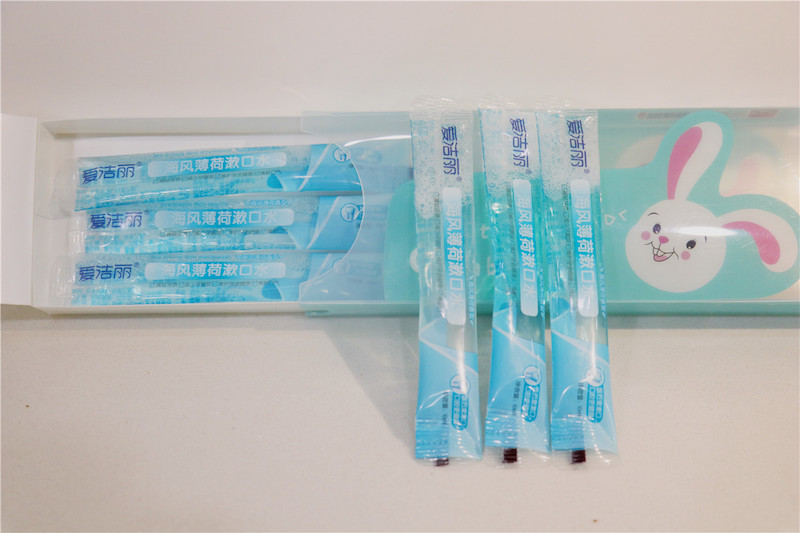
probiotic mouthwash
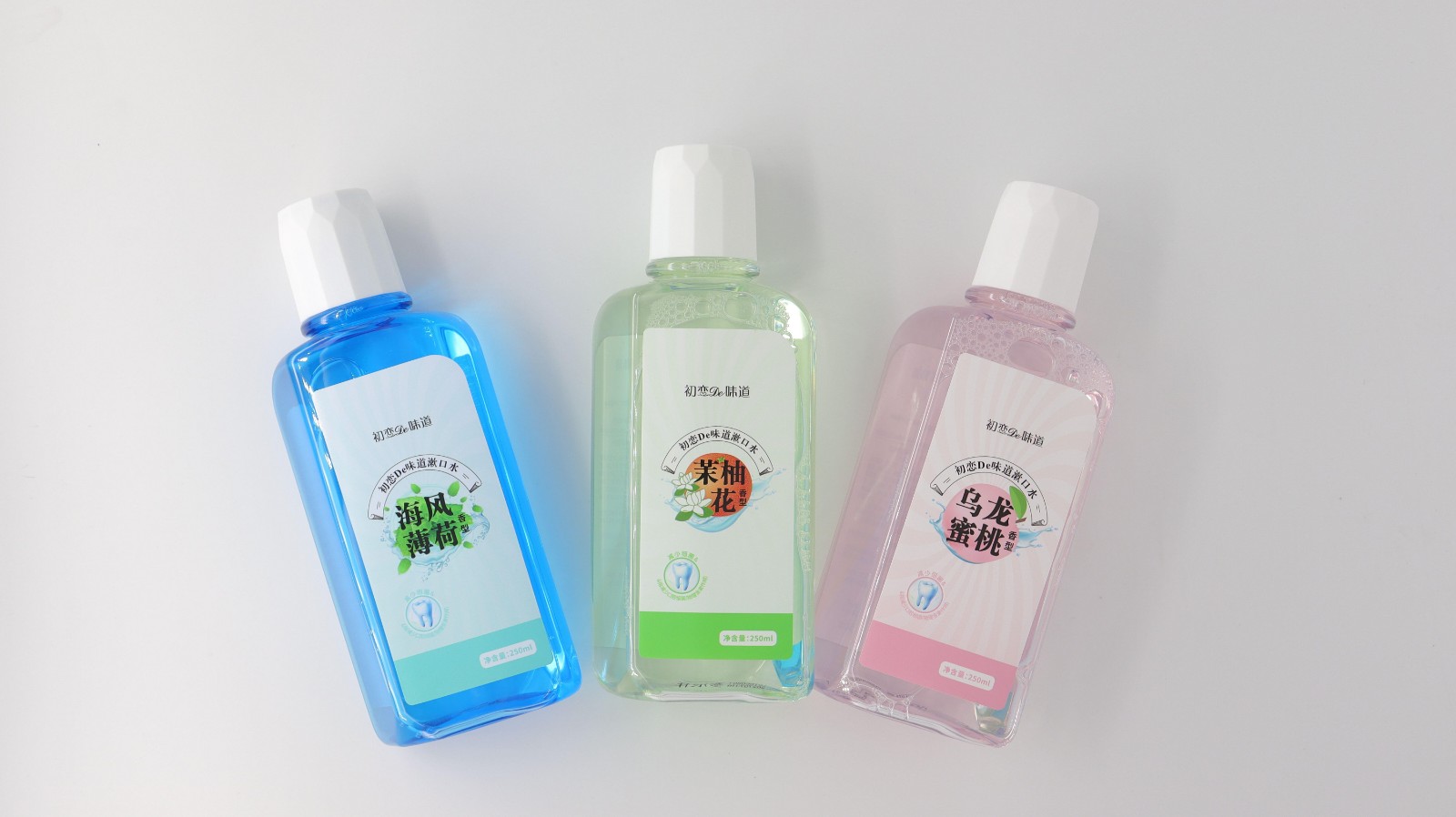
antimicrobial mouthwash
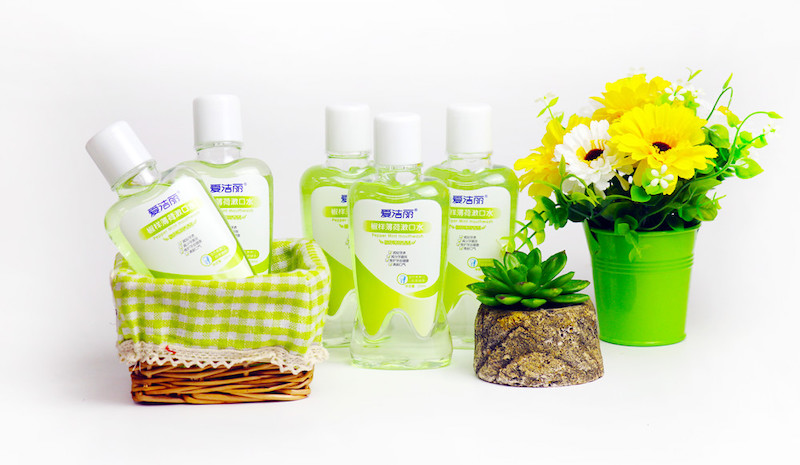
antibacterial mouthwash
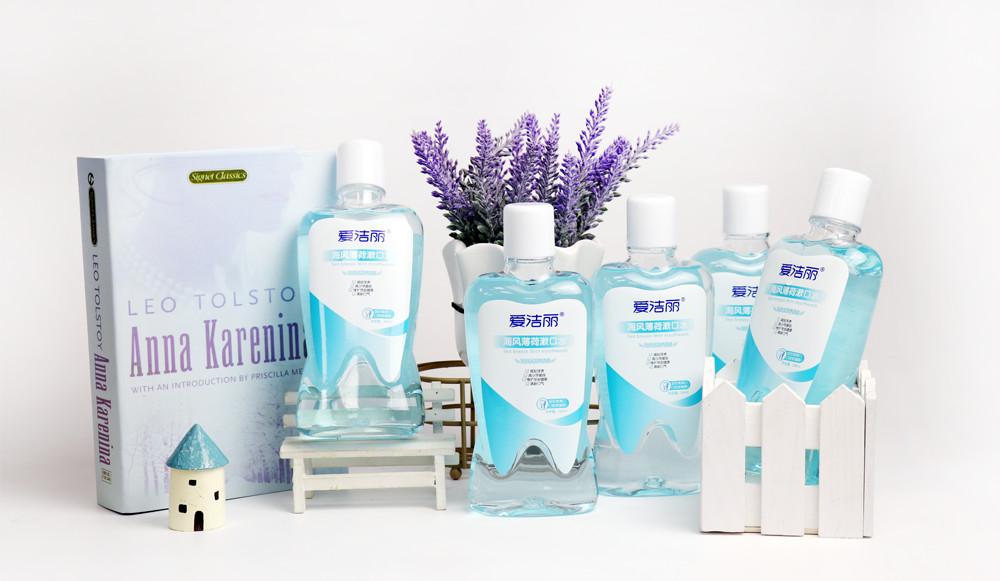
xylitol mouthwash
Probiotic Mouthwash Approaches
Probiotic mouthwash introduces beneficial microorganisms that may indirectly influence viral populations. Certain probiotic bacteria stimulate local immune responses, including increased production of antiviral compounds like defensins and interferons. This enhanced immune surveillance could theoretically suppress viral replication in oral tissues.
Probiotic mouthwash also competes with pathogenic organisms for adhesion sites and nutrients, potentially reducing the cellular real estate available for viral infection and propagation.
Clinical Evidence Review
Current evidence for mouthwash reducing oral viral loads remains predominantly laboratory-based with limited clinical confirmation. Studies demonstrate immediate post-rinsing reductions in detectable viruses, but sustained suppression requires frequent application. The clinical significance of temporary viral load reduction for disease transmission or progression remains under investigation.
Practical Application Considerations
For individuals seeking to reduce oral viral burden, mouthwash selection and usage patterns influence outcomes. Formulations with documented virucidal activity against target viruses provide theoretical advantage. Extended rinsing duration ensures adequate contact time. Regular use throughout the day maintains suppression between applications.
Limitations and Realistic Expectations
Mouthwash cannot eliminate viruses residing within oral tissues or salivary glands—only surface-associated viruses remain accessible. Systemic infections with oral manifestations require medical management beyond topical approaches. Mouthwash serves as potential adjunct rather than primary antiviral intervention.
Mouthwash demonstrates capacity for temporary oral viral load reduction through multiple mechanisms. Antimicrobial mouthwash and antibacterial mouthwash directly inactivate viruses through envelope disruption. Xylitol mouthwash interferes with viral adhesion and enhances clearance. Probiotic mouthwash may stimulate antiviral immune responses. While clinical significance requires further investigation, incorporating appropriate mouthwash into oral hygiene routines offers theoretical benefits for individuals concerned about oral viral burden.