Can Mouthwash Prevent Tooth Decay in High-Risk Patients?
Tooth decay remains the most prevalent chronic disease worldwide, with certain individuals facing significantly elevated risk. For these vulnerable patients, every preventive intervention matters. But can mouthwash provide meaningful cavity protection beyond standard oral hygiene?
Defining High-Risk Patients
High caries risk describes individuals with factors increasing decay susceptibility. These include reduced salivary flow, existing restorations, orthodontic appliances, dietary habits featuring frequent fermentable carbohydrates, and medical conditions compromising oral health. These patients require enhanced preventive measures exceeding basic brushing.
Fluoride Mouthwash Mechanisms
Therapeutic mouthwash containing fluoride offers direct cavity prevention through enamel remineralization. Fluoride ions in mouthwash incorporate into tooth structure, creating fluorapatite more resistant to acid demineralization than original hydroxyapatite. This chemical transformation strengthens enamel against cariogenic challenges.
For high-risk patients, fluoride mouthwash used between brushings maintains elevated oral fluoride levels throughout the day. This continuous protection proves particularly valuable when salivary flow diminishes or dietary acid exposures increase.
Antimicrobial Mouthwash Benefits
Antimicrobial mouthwash targets the bacterial foundation of caries development. Cariogenic bacteria—particularly Streptococcus mutans and Lactobacillus species—produce acids from fermentable carbohydrates. Reducing these populations through antimicrobial mouthwash decreases acid production and decay potential.
Antibacterial mouthwash formulations containing chlorhexidine demonstrate particular efficacy against cariogenic organisms. Short-term chlorhexidine protocols significantly reduce mutans streptococci levels, though long-term daily use requires professional guidance due to side effect considerations.

probiotic mouthwash

antimicrobial mouthwash
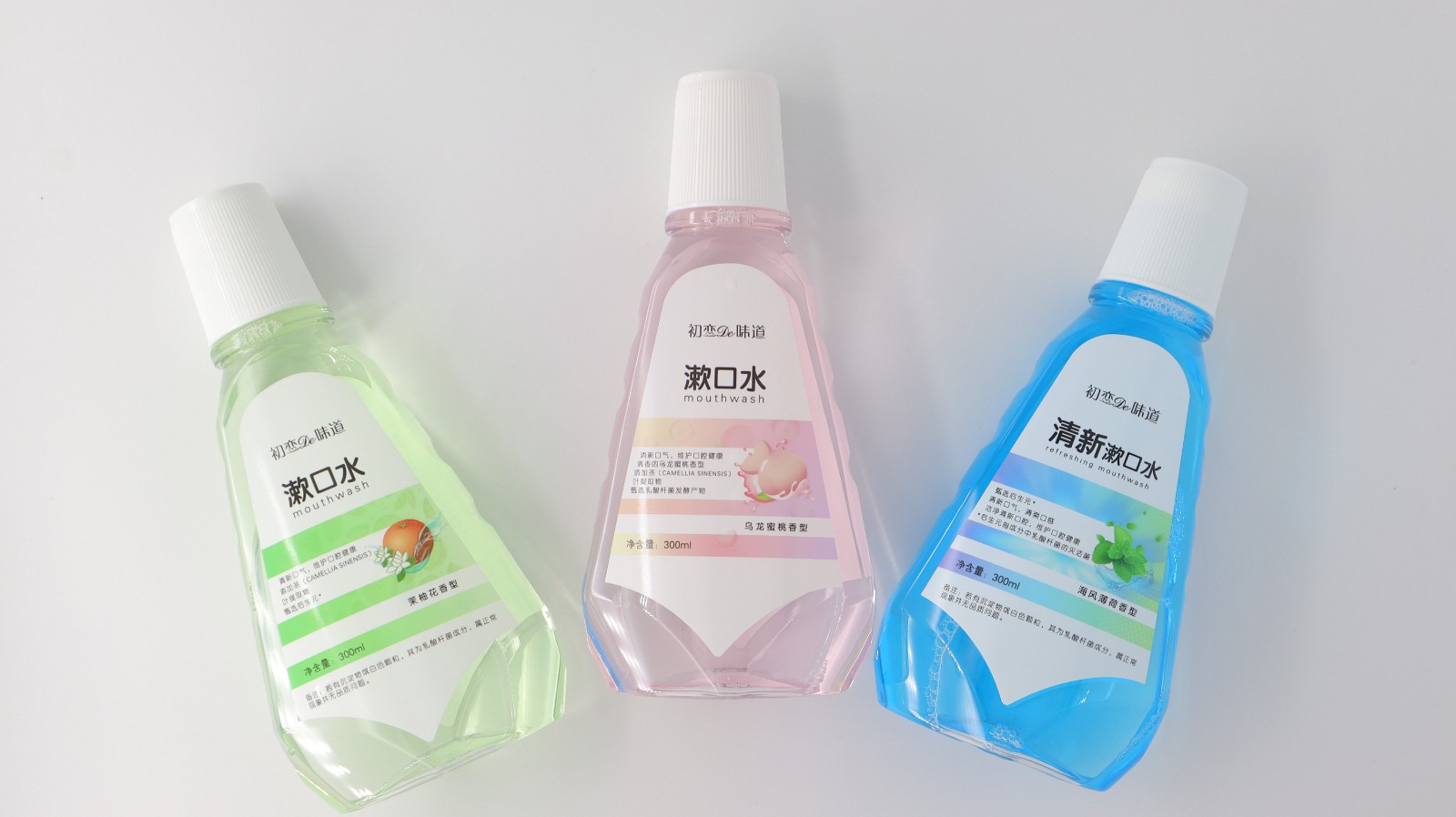
antibacterial mouthwash

xylitol mouthwash
Xylitol Mouthwash Advantages
Xylitol mouthwash offers unique cavity prevention mechanisms differing from traditional antimicrobial approaches. This naturally occurring sugar alcohol cannot be metabolized by cariogenic bacteria, disrupting their energy production and reducing their ability to adhere to tooth surfaces.
Xylitol mouthwash also stimulates salivary flow—particularly beneficial for dry mouth patients at elevated caries risk. Increased saliva enhances buffering capacity, provides additional minerals for remineralization, and physically clears food debris and bacteria.
Probiotic Mouthwash Approaches
Emerging evidence suggests probiotic mouthwash may contribute to caries prevention through ecological competition. Beneficial microorganisms introduced via probiotic mouthwash colonize oral surfaces and compete with cariogenic species for nutrients and adhesion sites.
Specific probiotic strains demonstrate ability to inhibit Streptococcus mutans growth and reduce enamel demineralization in clinical studies. While evidence continues developing, probiotic approaches offer promise for high-risk patients seeking comprehensive prevention.
Comprehensive Prevention Protocols
For high-risk patients, mouthwash functions within broader prevention frameworks rather than as standalone solution. Professional fluoride applications, dietary modification, enhanced mechanical cleaning, and regular monitoring all contribute to cavity control.
Selecting appropriate mouthwash requires matching product characteristics to individual risk factors. Patients with dry mouth may prioritize xylitol or fluoride formulations. Those with high bacterial counts benefit from antimicrobial approaches. Individuals seeking ecological balance may explore probiotic options.
Timing and Frequency Considerations
Maximum caries prevention requires appropriate mouthwash timing relative to meals and brushing. Using fluoride or xylitol mouthwash after eating provides immediate acid neutralization and remineralization. Antimicrobial rinsing at separate times from brushing maintains therapeutic coverage throughout the day.
Mouthwash can indeed prevent tooth decay in high-risk patients when selected appropriately and integrated into comprehensive prevention protocols. Fluoride formulations strengthen enamel against acid challenges. Antimicrobial mouthwash and antibacterial mouthwash reduce cariogenic bacterial populations. Xylitol mouthwash disrupts bacterial metabolism and stimulates protective saliva. Emerging probiotic mouthwash options offer ecological approaches to caries control. For vulnerable patients facing elevated decay risk, therapeutic mouthwash provides essential protection beyond mechanical cleaning alone.