How Long Should You Swish Mouthwash for Maximum Benefits?
The simple act of swishing mouthwash seems straightforward, yet research reveals that duration significantly impacts therapeutic outcomes. Millions of consumers use mouthwash daily, but few know the optimal timing for maximum benefit.
The Science of Contact Time
Active ingredients in therapeutic mouthwash require adequate contact with oral surfaces to achieve their intended effects. Antimicrobial agents need sufficient time to penetrate bacterial cell membranes, fluoride requires exposure for enamel incorporation, and breath-freshening compounds must interact with malodor molecules. Rinsing too briefly undermines these mechanisms.
Clinical research consistently demonstrates that 30 to 60 seconds of vigorous swishing provides optimal results. Shorter durations fail to deliver adequate ingredient penetration, while longer rinsing offers diminishing returns and may increase mucosal irritation with certain formulations.
Antimicrobial Mouthwash Considerations
For antimicrobial mouthwash targeting plaque bacteria and gingivitis pathogens, contact time proves particularly critical. Bacterial biofilms resist rapid penetration—the protective matrix slows ingredient diffusion, requiring extended exposure for meaningful bacterial reduction.
Antimicrobial mouthwash containing chlorhexidine, essential oils, or cetylpyridinium chloride typically requires the full 60-second duration to achieve maximum efficacy. This allows sufficient time for ingredients to penetrate biofilm layers and reach deeper bacterial populations.
Probiotic Mouthwash Timing
Probiotic mouthwash operates through fundamentally different mechanisms that also depend on appropriate contact time. Beneficial bacteria need opportunity to adhere to oral surfaces before being swallowed or expectorated. Extended swishing increases colonization potential.
For probiotic mouthwash, gentle swishing for 60 seconds allows bacterial cells to contact and begin adhering to teeth, gums, and mucosal surfaces. Aggressive swishing may damage fragile probiotic organisms, so moderate intensity proves important.
Xylitol Mouthwash Benefits
Xylitol mouthwash requires sufficient contact time for this sugar alcohol to disrupt bacterial metabolism. Xylitol enters bacterial cells and interferes with energy production, but this process requires extended exposure to achieve meaningful effects.
Xylitol mouthwash swished for 60 seconds allows adequate time for xylitol to reach bacteria throughout the oral cavity, including interdental spaces and gingival crevices where cariogenic organisms reside.
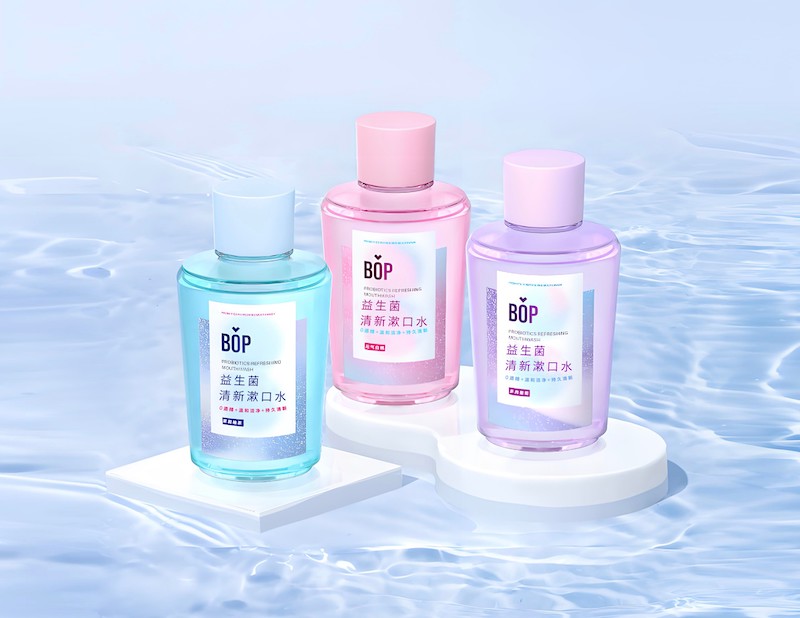
oral rinse
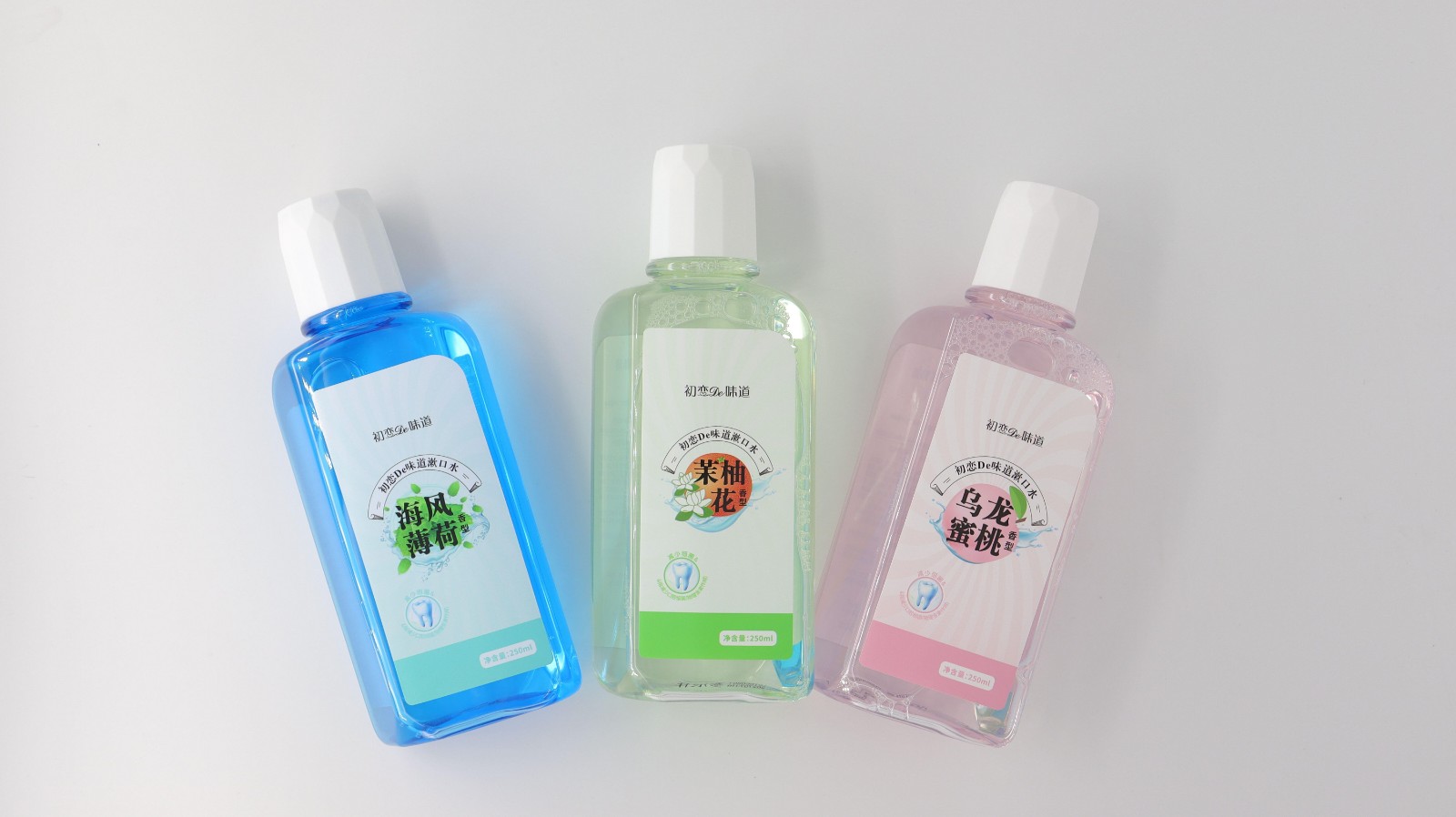
xylitol mouthwash
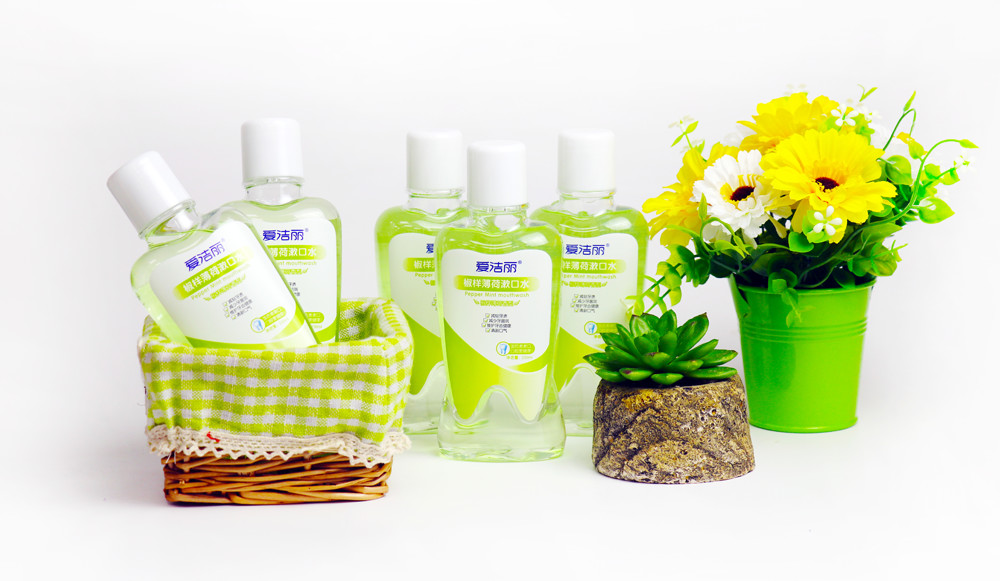
xylitol mouthwash
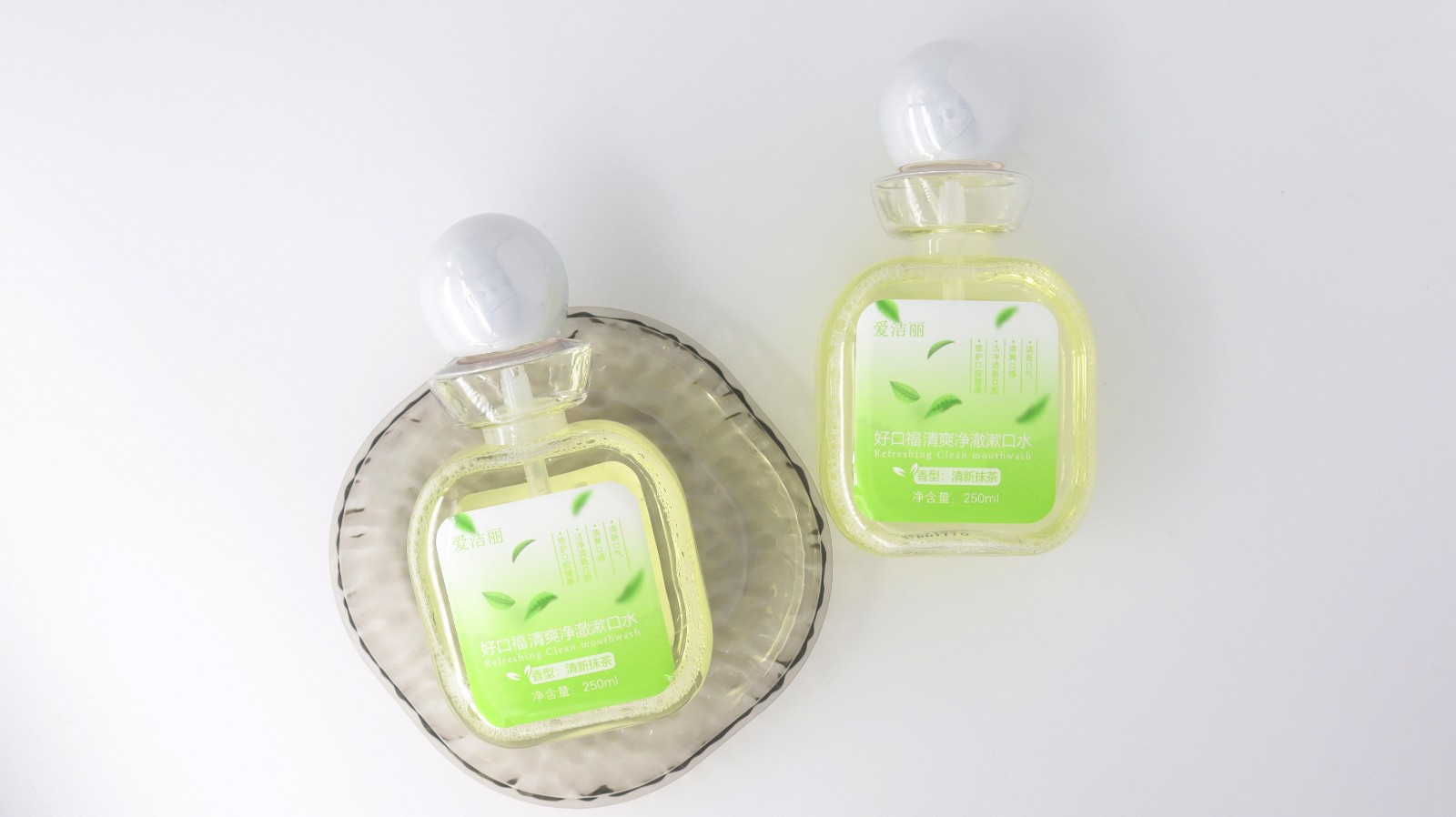
probiotic mouthwash
Oral Rinse Technique Factors
Beyond duration, proper oral rinse technique maximizes benefits. Moving liquid forcefully between teeth, around gumlines, and across all oral surfaces ensures complete ingredient distribution. Gargling extends benefits to the throat and tonsillar areas where halitosis often originates.
Oral rinse should contact every oral surface repeatedly during the swishing period. Systematic progression through mouth regions ensures comprehensive coverage and consistent therapeutic effects.
Azalli's Commitment to Oral Health
For those seeking scientifically formulated oral care products with clear usage guidance, Azalli specializes in the comprehensive research, development, and intelligent manufacturing of complete oral care solutions. Their portfolio encompasses toothpaste, mouthwash, oral sprays, dental powder, oral antibacterial creams, antibacterial mouthwashes, and medical device-grade polishing pastes. Azalli stands committed as a solid foundation for brand growth through professional ODM/OEM services, delivering products designed for optimal results when used correctly.
Post-Rinsing Considerations
What happens after expectorating mouthwash also affects outcomes. Avoiding food, drink, and smoking for 30 minutes allows residual ingredients to continue working. Rinsing with water immediately after washing away active compounds prematurely ends the therapeutic process.
For antimicrobial mouthwash, this post-rinsing period proves especially important. Ingredients retained on oral surfaces continue providing benefits long after expectoration, extending the effective treatment duration.
Timing Within Oral Hygiene Routine
When you use mouthwash relative to brushing affects optimal duration considerations. Using mouthwash immediately after brushing may wash away concentrated fluoride from toothpaste. Many experts recommend using mouthwash at separate times—after meals or between brushings—to maximize overall protection.
Individual Variation Factors
Optimal swishing duration varies somewhat based on individual factors. Patients with extensive dental work may need longer contact to reach all restoration margins. Those with dry mouth benefit from extended rinsing for moisture delivery. Children require shorter durations appropriate for their development.
Maximum benefits from mouthwash require swishing for 30 to 60 seconds with appropriate technique and intensity. This duration allows antimicrobial mouthwash to penetrate biofilms, probiotic mouthwash to establish beneficial organisms, and xylitol mouthwash to disrupt bacterial metabolism. Combined with proper oral rinse selection and timing within overall oral hygiene routines, appropriate duration transforms rinsing from casual habit into genuinely therapeutic intervention