How Do Formulators Choose the Right Abrasive for Toothpaste?
Every effective toothpaste relies on abrasives to remove plaque and surface stains. Without abrasives, brushing would only spread bacteria around. Formulators must balance cleaning power with enamel safety. The wrong abrasive can scratch teeth or cause gum recession. Therefore, choosing the right abrasive is the most critical decision in developing any toothpaste. This article explains how experts make that choice based on science, safety, and consumer needs.
The Science of RDA: Measuring Abrasive Strength
Formulators use the RDA (radioactive dentin abrasion) scale to classify abrasives. An ideal toothpaste should have an RDA between 70 and 150. Values below 70 do not clean effectively. Values above 200 can damage enamel over time. When creating a natural toothpaste, formulators often select softer abrasives like calcium carbonate or hydrated silica. These provide gentle cleaning without synthetic additives. Meanwhile, a stain removing toothpaste requires higher-RDA abrasives such as dicalcium phosphate or alumina.
Matching Abrasives to Toothpaste Categories
Different product types demand different abrasive profiles. A basic toothpaste for daily family use typically uses hydrated silica. This material polishes without scratching enamel. For an antibacterial toothpaste, abrasives must not interfere with antimicrobial agents like stannous fluoride or zinc citrate. Coarse abrasives can bind to these actives, reducing efficacy. Therefore, formulators test compatibility extensively. A stain removing toothpaste often combines two abrasives—one hard particle for tough stains and one soft particle for daily maintenance.
Challenges in Natural Toothpaste Formulation
Creating a natural toothpaste without synthetic abrasives presents unique challenges. Natural options include baking soda, diatomaceous earth, and charcoal. However, these materials have inconsistent particle sizes. Formulators must mill and sieve them repeatedly to achieve safe RDA values. Unlike conventional toothpaste, a natural toothpaste cannot use engineered silica spheres. This forces formulators to accept slightly higher batch variation. Consumer testing becomes essential to ensure the natural toothpaste does not feel gritty or harsh.
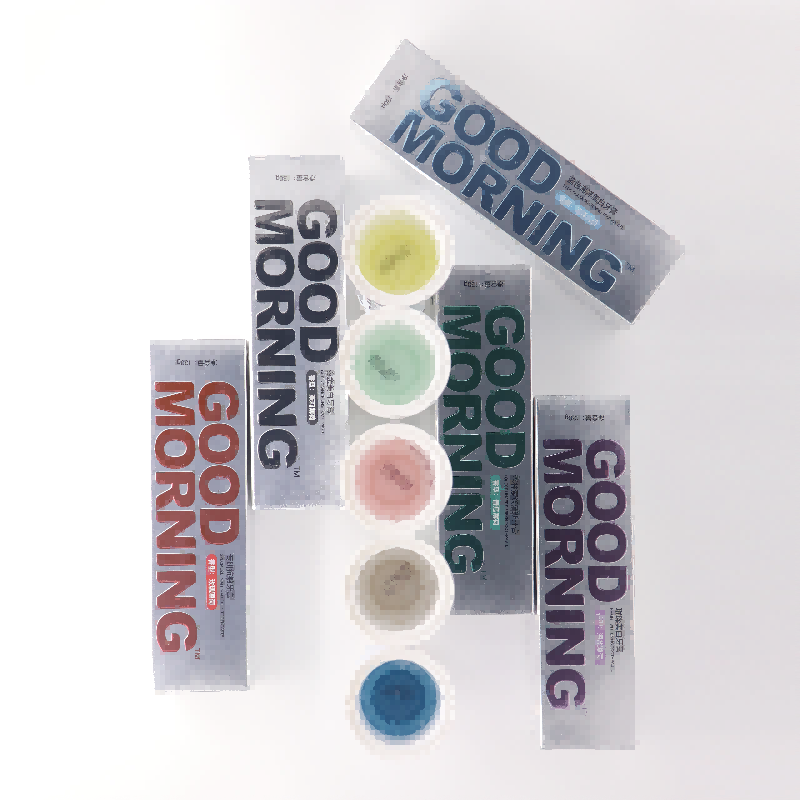
antibacterial toothpaste
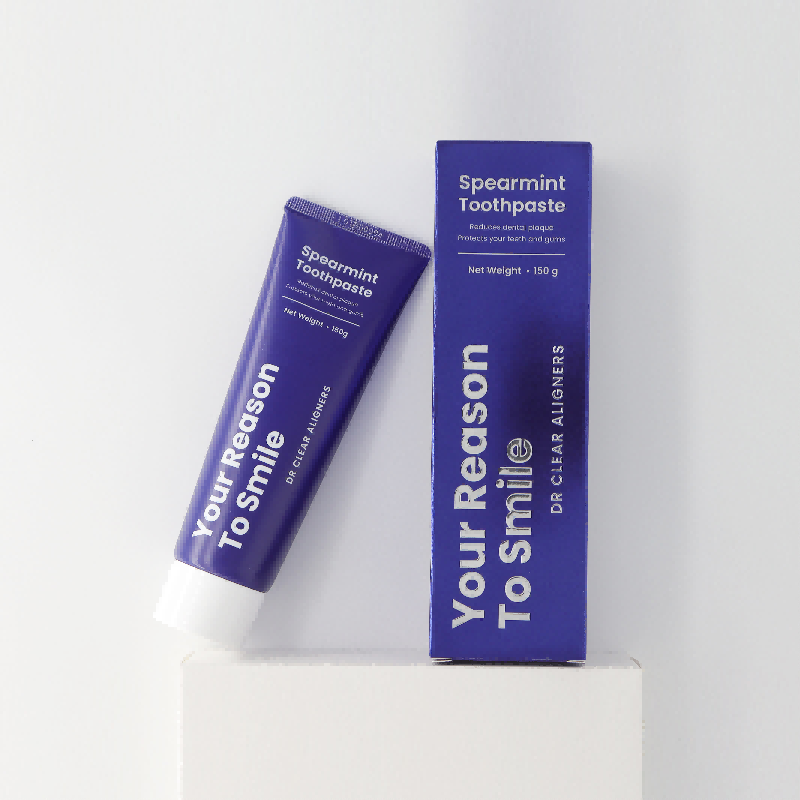
natural toothpaste
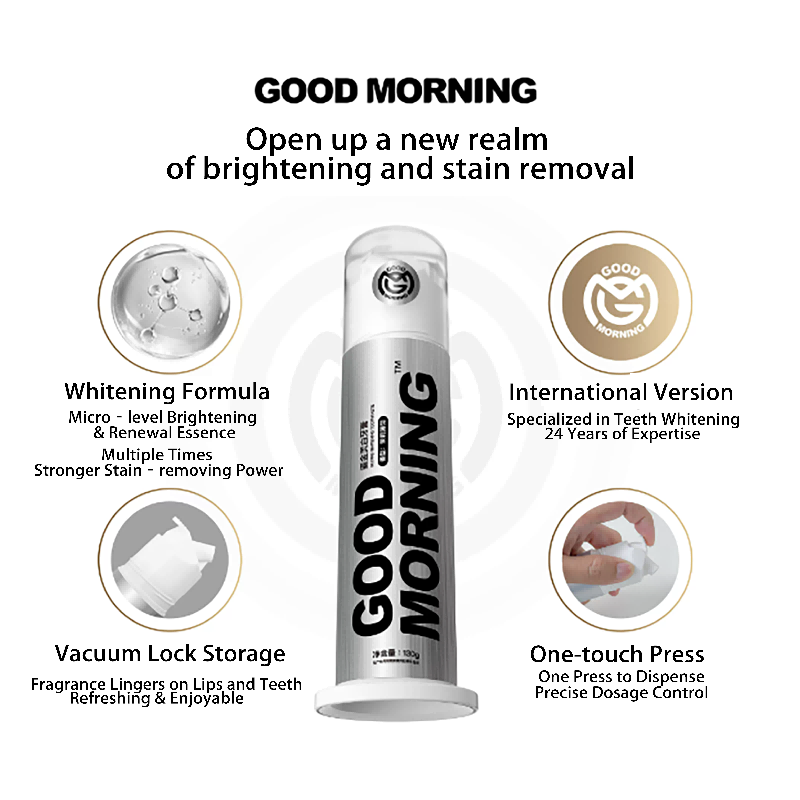
stain removing toothpaste
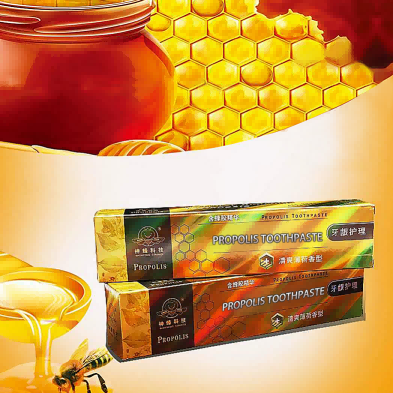
fluoridex toothpaste
Specialty Cases: Fluoridex Toothpaste and High-Performance Formulas
Some premium products like fluoridex toothpaste require extremely precise abrasive selection. Fluoridex toothpaste contains high-concentration fluoride for remineralization. Certain abrasives, especially calcium-based ones, bind with free fluoride ions. This makes the fluoride unavailable for enamel repair. Formulators developing fluoridex toothpaste must use non-calcium abrasives like silica or sodium metaphosphate. Additionally, a fluoridex toothpaste intended for sensitive teeth may use spherical abrasives that roll rather than scratch.
How Testing Validates Abrasive Choice
Before any toothpaste reaches shelves, formulators conduct three tests. First, the RDA test measures enamel wear. Second, a stain removal test evaluates cleaning efficacy. Third, a sensory panel rates grittiness and foam feel. For an antibacterial toothpaste, additional microbiological tests ensure abrasives do not trap or inactivate germ-killing agents. A stain removing toothpaste must also pass an accelerated aging test. This checks whether abrasives settle to the bottom of the tube over six months.
Formulators choose abrasives based on RDA targets, ingredient compatibility, and consumer experience. A standard toothpaste uses hydrated silica for safe daily cleaning. An antibacterial toothpaste requires abrasives that do not bind to antimicrobials. A stain removing toothpaste needs harder particles for visible whitening. A natural toothpaste relies on milled minerals without synthetic processing. Finally, fluoridex toothpaste demands non-calcium abrasives to preserve fluoride bioavailability. Next time you brush, remember that your toothpaste contains carefully engineered particles—each one chosen by a formulator to clean without causing harm.
Fujian Azalli Daily Chemicals Co., Ltd. was established in 2002 and has since become the largest integrated supplier of oral health cleaning and care products in Fujian Province, combining research and development with production. It has obtained international certifications such as ISO9001, ISO22716, GMPC international quality management systems, and integration of informatization and industrialization management systems. Azalli provide one-stop ODM & OEM services, offering customers a full process from product design to delivery. We ensure all our products meet the highest standards, with strict control over design, production and quality inspection, to create tailored, high-quality products for our clients.