Why Is pH Balance Critical in Toothpaste R&D & Formulation?
PH measures how acidic or alkaline a substance is, ranging from 0 to 14. The human mouth naturally maintains a pH near 7.0 (neutral). After eating or drinking, pH can drop below 5.5, triggering enamel demineralization. Every toothpaste must therefore be formulated within a specific pH window. Too acidic, and the toothpaste will erode enamel. Too alkaline, and it may irritate soft tissues. This balance is non-negotiable in professional R&D and formulation.
How pH Affects Enamel Safety and Cleaning Efficacy?
The critical pH threshold for enamel dissolution is approximately 5.5. A high-quality toothpaste typically maintains a pH between 6.5 and 8.5. Below this range, the toothpaste actively contributes to enamel loss rather than protecting it. Above pH 9.0, users often report a bitter taste or burning sensation on gums. Therefore, R&D teams carefully adjust buffering systems. An antibacterial toothpaste must achieve its germ-killing action without drifting into unsafe pH zones. This requires extensive laboratory validation.
Why Different Toothpaste Categories Require Different pH Targets?
Not all products share the same optimal pH range. A standard stain removing toothpaste often contains sodium bicarbonate or peroxides. These ingredients perform best at mildly alkaline pH (8.0–8.5). The alkaline environment helps break down stain molecules chemically. By contrast, a natural toothpaste using fruit enzymes or organic acids may require near-neutral pH (6.8–7.2). Any deviation can degrade plant-based preservatives. Thus, R&D formulators create unique pH profiles for each category while maintaining safety limits.
Special Considerations for Antibacterial and Fluoridex Formulations
An antibacterial toothpaste relies on agents like stannous fluoride, zinc citrate, or cetylpyridinium chloride. These compounds have pH-dependent solubility. At pH below 6.0, stannous fluoride hydrolyzes and loses efficacy. At pH above 9.0, zinc ions precipitate out of solution. Similarly, fluoridex toothpaste contains high-concentration sodium fluoride or amine fluoride. Fluoride bioavailability peaks between pH 5.5 and 7.0. Formulating fluoridex toothpaste outside this range reduces cavity protection by over 40%, according to published research.
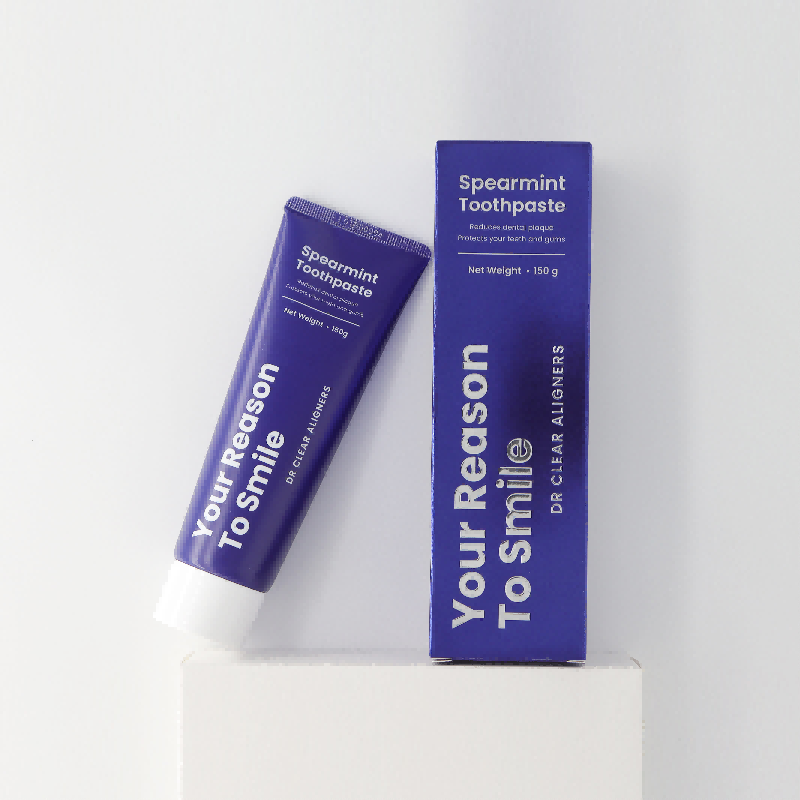
natural toothpaste
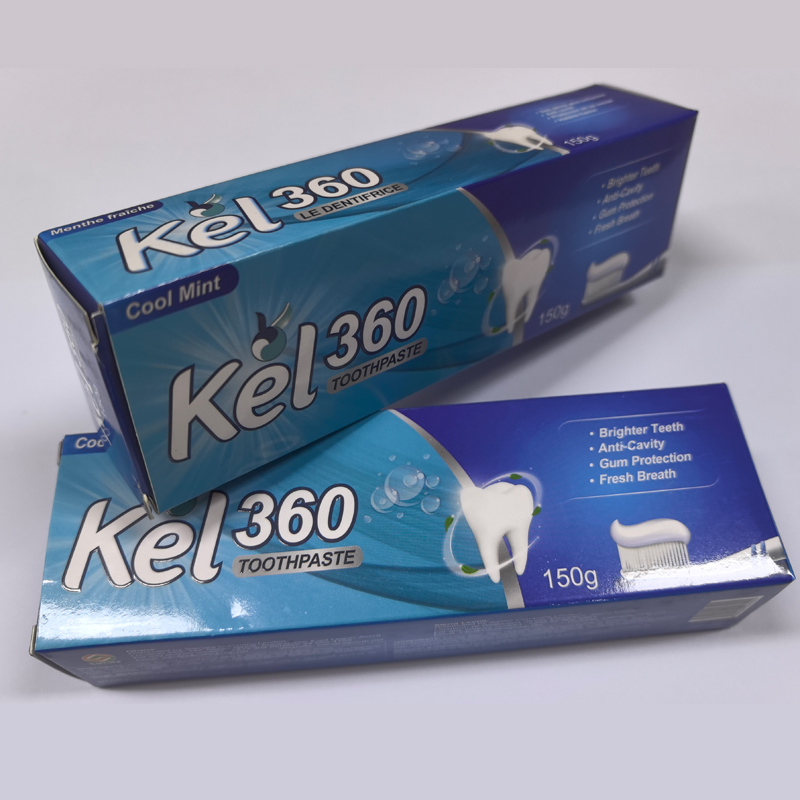
fluoridex toothpaste
antibacterial toothpaste
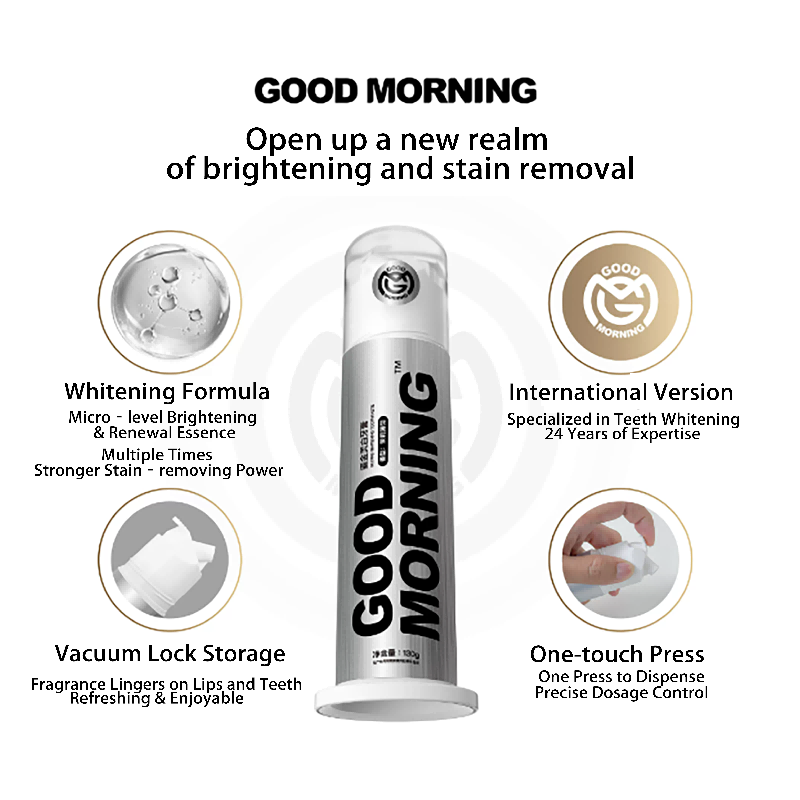
stain removing toothpaste
pH Challenges in Natural Toothpaste Development
Developing a natural toothpaste without synthetic buffers presents significant pH challenges. Natural ingredients like baking soda, clay, or essential oils have inherent pH values. A clay-based natural toothpaste may start at pH 9.5, requiring acidification. However, adding citric acid to lower pH can trigger ingredient separation. R&D teams must test hundreds of buffer combinations. A successful natural toothpaste achieves stable pH for 24 months without synthetic preservatives. This is one of the hardest tasks in modern oral care formulation.
How R&D Validates pH Stability Over Product Shelf Life
pH is not static inside a toothpaste tube. Over time, chemical reactions between abrasives, humectants, and water can shift pH. Accelerated aging tests (40°C/75% humidity for 12 weeks) simulate two years of storage. A stain removing toothpaste with peroxides is especially prone to pH drift. Formulators add buffering pairs like disodium phosphate/citric acid. An antibacterial toothpaste requires monthly pH checks during stability trials. If pH moves beyond the target range by 0.5 units, the formulation is rejected.
pH balance directly determines enamel safety, active ingredient stability, and user comfort. A well-formulated toothpaste stays within pH 6.5–8.5 throughout its shelf life. A stain removing toothpaste may lean slightly alkaline for stain breakdown. An antibacterial toothpaste must preserve antimicrobial activity without acidic drift. A natural toothpaste faces the toughest challenge due to limited buffer options. Finally, fluoridex toothpaste requires precise neutral-to-slightly-acidic conditions for maximum fluoride uptake. Next time you evaluate a toothpaste formula, remember: pH is not just a number. It is the foundation of safe and effective oral care.
Fujian Azalli Daily Chemicals Co., Ltd. was established in 2002 and has since become the largest integrated supplier of oral health cleaning and care products in Fujian Province, combining research and development with production. It has obtained international certifications such as ISO9001, ISO22716, GMPC international quality management systems, and integration of informatization and industrialization management systems. Azalli provide one-stop ODM & OEM services, offering customers a full process from product design to delivery. We ensure all our products meet the highest standards, with strict control over design, production and quality inspection, to create tailored, high-quality products for our clients.