Why Is Deionized Water Mandatory in Professional Toothpaste Formulation?
Deionized water (DI water) has nearly all mineral ions removed. Tap water contains calcium, magnesium, iron, and chloride. These ions seem harmless, but they cause chaos in toothpaste manufacturing. Every professional toothpaste formula depends on DI water as the continuous phase. Without it, chemical reactions become unpredictable. This article explains why no serious manufacturer would use tap water when producing a toothpaste for commercial or medical use.
How Mineral Ions Destroy Active Ingredients?
Tap water ions directly attack sensitive ingredients in any toothpaste. Calcium ions bind with fluoride to form insoluble calcium fluoride. This mineral precipitate has no anti-cavity benefit. For a premium fluoridex toothpaste, such reactions reduce bioavailable fluoride by up to 60%. Similarly, magnesium ions accelerate the breakdown of peroxide whiteners. A stain removing toothpaste using baking soda or peroxides becomes unstable within weeks when mixed with hard water. Therefore, DI water is not optional—it is essential.
Why Antibacterial and Antiseptic Toothpaste Formulas Demand DI Water?
An antibacterial toothpaste often contains stannous fluoride, zinc citrate, or chlorhexidine. These positively charged ions react aggressively with negatively charged chloride or sulfate ions in tap water. The result is precipitation and complete loss of antibacterial activity. An antiseptic toothpaste relies on cetylpyridinium chloride (CPC). CPC forms sticky complexes with anionic minerals. Using non-DI water turns an antiseptic toothpaste into an expensive gel with zero germ-killing power. R&D labs validate this through ion chromatography before any production run.
The Role of Deionized Water in Natural Toothpaste Stability
A natural toothpaste avoids synthetic chelators and preservatives. Without EDTA or sodium benzoate, there is nothing to bind rogue metal ions. Tap water introduces iron, copper, and manganese into the natural toothpaste matrix. These metals catalyze oxidation of natural oils, propolis, and herbal extracts. Within three months, a natural toothpaste made with tap water develops rancid odors and dark discoloration. DI water removes this risk entirely. Thus, every credible natural toothpaste on the market specifies DI water in its Bill of Materials.
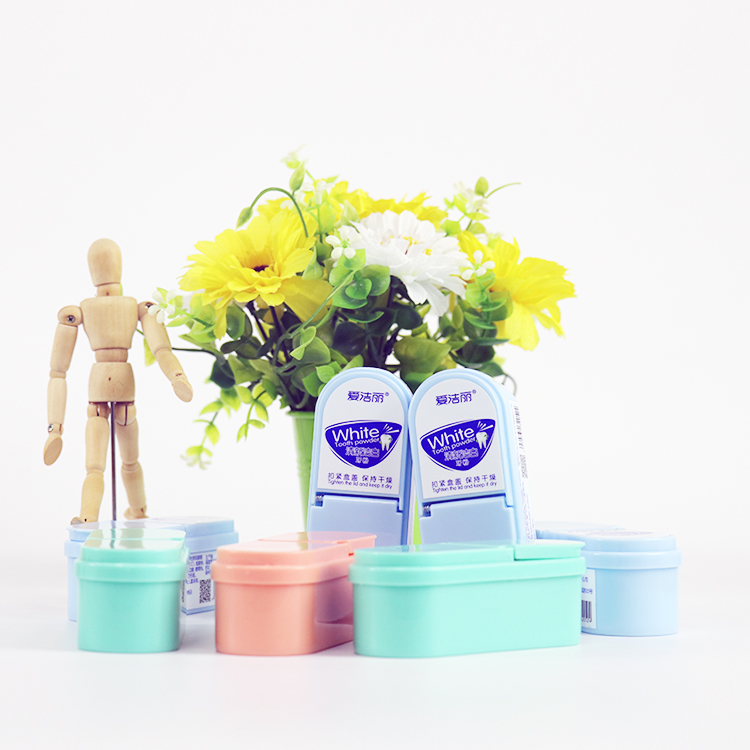
antiseptic toothpaste
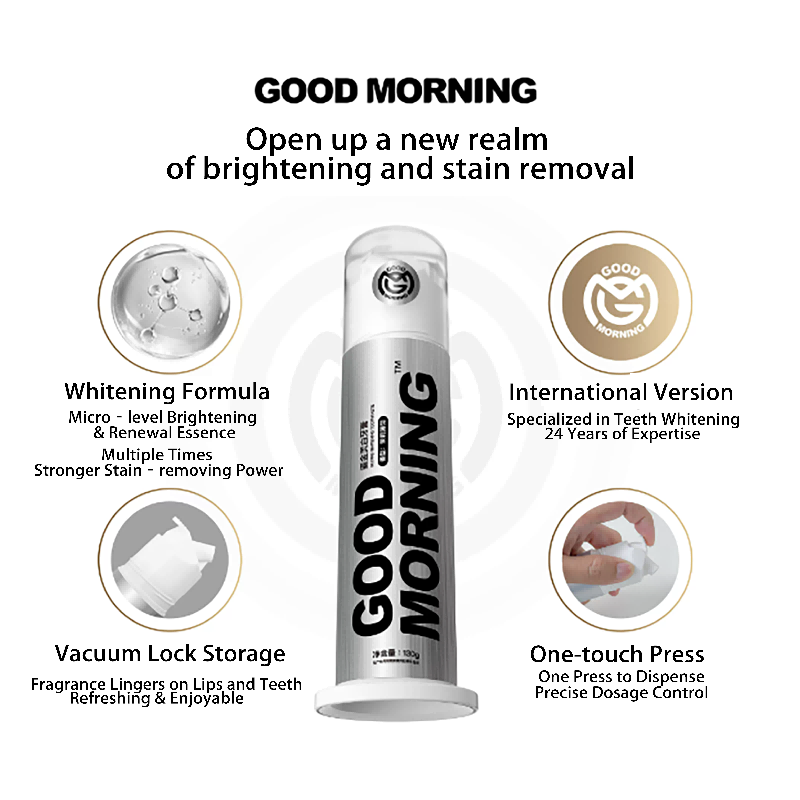
antibacterial toothpaste
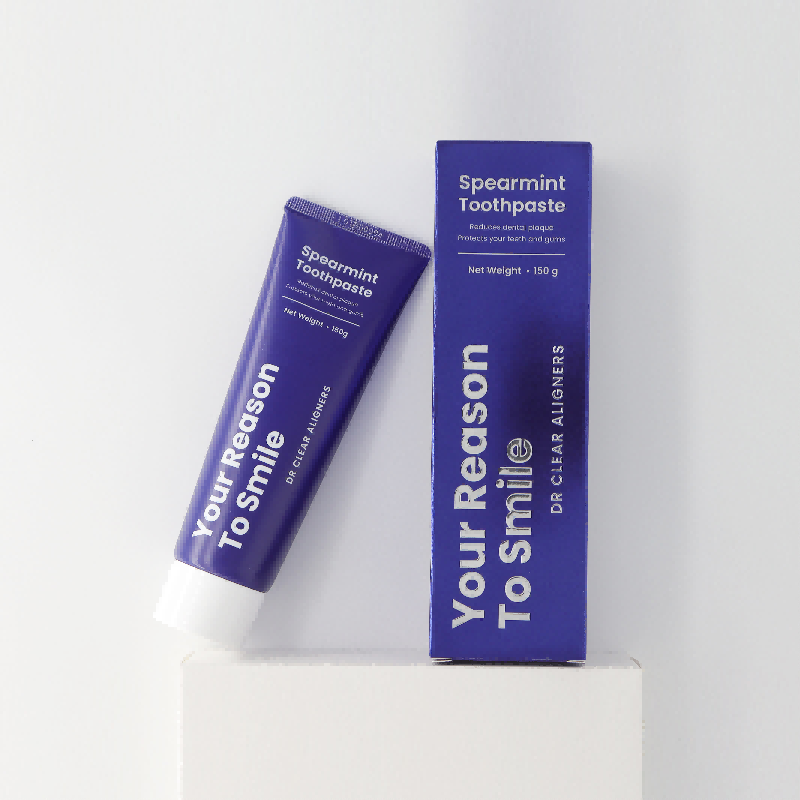
natural toothpaste
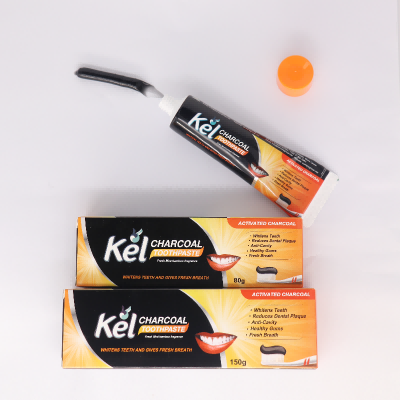
fluoridex toothpaste
How Deionized Water Ensures Consistent Viscosity and Texture?
Water quality directly affects how thickeners perform. Xanthan gum, cellulose gum, and carbomer rely on controlled hydration. Calcium ions cause premature crosslinking, creating lumpy gel structures. A toothpaste with uneven viscosity does not dispense cleanly from the tube. More critically, an antibacterial toothpaste with inconsistent texture cannot guarantee uniform active distribution. DI water allows formulators to predict exactly how thickeners will behave batch after batch. This is why professional toothpaste production lines include on-site deionization systems.
Microbial Safety and Deionized Water in Toothpaste Manufacturing
DI water is not sterile, but it removes nutrients that bacteria need to grow. Tap water contains organic debris and trace metals that fuel biofilm formation inside pipes. In a fluoridex toothpaste or any antiseptic toothpaste, microbial contamination leads to spoilage and potential pathogen growth. DI water combined with good manufacturing practices reduces bioburden to near-zero levels. Stability tests show that toothpaste formulated with DI water passes 24-month preservative efficacy challenges. Tap water formulations routinely fail within six months.
Professional toothpaste formulation requires deionized water to protect active ingredients, ensure texture consistency, and prevent microbial growth. An antibacterial toothpaste loses its germ-killing power when calcium or chloride ions precipitate stannous fluoride. An antiseptic toothpaste cannot stabilize CPC without DI water. A natural toothpaste avoids metal-catalyzed oxidation only when using DI water. Finally, fluoridex toothpaste delivers maximum fluoride bioavailability exclusively with deionized water. The next time you evaluate a toothpaste label, remember that what is not listed—mineral ions—matters as much as what is included.
Fujian Azalli Daily Chemicals Co., Ltd. was established in 2002 and has since become the largest integrated supplier of oral health cleaning and care products in Fujian Province, combining research and development with production. It has obtained international certifications such as ISO9001, ISO22716, GMPC international quality management systems, and integration of informatization and industrialization management systems. Azalli provide one-stop ODM & OEM services, offering customers a full process from product design to delivery. We ensure all our products meet the highest standards, with strict control over design, production and quality inspection, to create tailored, high-quality products for our clients.