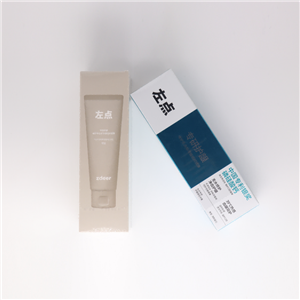
How does anti cavity strengthening fluoride mint toothpaste prevent tooth decay?
Cavity prevention remains the cornerstone of oral health, yet many consumers misunderstand how their daily toothpaste actually protects their teeth. Understanding the science behind cavity prevention helps consumers make informed choices about their oral care routine. Anti cavity Strengthening Toothpaste represents the frontline defense in this ongoing battle against tooth decay, but how exactly does it work to keep smiles healthy?
The Science of Enamel Demineralization and Remineralization
To understand cavity prevention, one must first understand the dynamic process occurring on tooth surfaces throughout each day. When we consume foods containing sugars and carbohydrates, oral bacteria produce acids that attack tooth enamel. This process, called demineralization, extracts calcium and phosphate minerals from the enamel structure, weakening the tooth surface. Without intervention, repeated demineralization cycles create cavities that require professional treatment.
Anti cavity Strengthening Toothpaste interrupts this destructive cycle through a process called remineralization. The fluoride ions in these formulations deposit onto enamel surfaces, forming fluorapatite—a crystalline structure significantly more acid-resistant than the original hydroxyapatite. This transformed enamel withstands future acid attacks more effectively, creating a virtuous cycle of protection rather than progressive deterioration.
Fluoride: The Essential Active Ingredient
The fluoride content distinguishes high fluoride toothpaste from standard cosmetic options. Most therapeutic toothpastes contain between 1,000 and 1,500 parts per million fluoride, typically delivered as sodium fluoride, stannous fluoride, or sodium monofluorophosphate. This concentration range represents the sweet spot between efficacy and safety, providing meaningful cavity protection without unnecessary exposure.
High fluoride toothpaste works through multiple mechanisms simultaneously. First, it inhibits bacterial enzyme systems, reducing acid production by cariogenic bacteria. Second, it promotes remineralization by attracting calcium and phosphate ions to enamel surfaces. Third, it creates a fluoridated layer that physically blocks demineralization. This three-pronged approach explains why fluoride remains the gold standard ingredient for cavity prevention after decades of clinical research.
The Role of Healthy Toothpaste Formulations
While fluoride drives cavity prevention, the overall formulation determines whether a product qualifies as healthy toothpaste suitable for long-term daily use. Healthy toothpaste formulations avoid harsh abrasives that could damage enamel over time, instead employing gentle cleaning agents that remove plaque without causing wear. They maintain neutral pH to avoid creating acidic oral conditions that promote demineralization.
Healthy toothpaste also excludes ingredients that might compromise oral health despite therapeutic benefits. Some formulations eliminate sodium lauryl sulfate for patients with recurrent aphthous ulcers, avoid artificial sweeteners for those monitoring sugar intake, or exclude artificial colors for sensitive individuals. The healthiest options balance therapeutic efficacy with biocompatibility, recognizing that oral care products interact with living tissues twice daily.
Sensory Experience and Compliance Benefits
The sensory characteristics of mint toothpaste play a surprisingly important role in cavity prevention through the mechanism of patient compliance. Clinical research consistently demonstrates that people brush longer and more thoroughly when they enjoy the flavor and sensation of their toothpaste. Mint provides cooling, refreshing properties that signal cleanliness and freshness, encouraging the two-minute brushing duration necessary for effective plaque removal.
Mint toothpaste also delivers immediate breath freshening that provides positive reinforcement for the brushing habit. This immediate sensory reward creates psychological associations that maintain regular brushing behavior over time. For children learning oral care routines, enjoyable mint flavor can transform brushing from chore to pleasure, establishing lifelong habits that prevent cavities decades into the future.
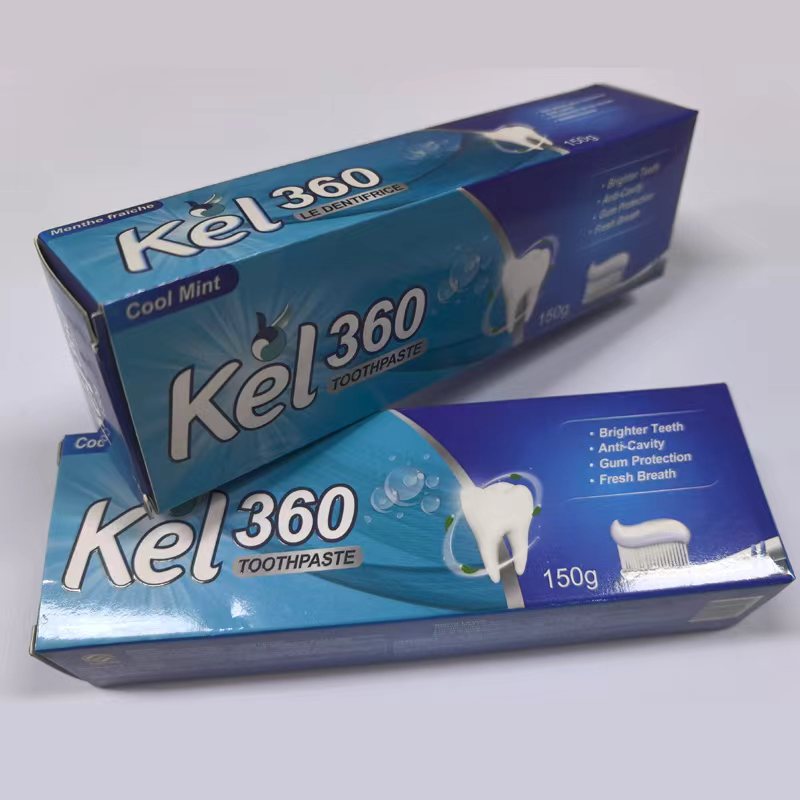
mint toothpaste
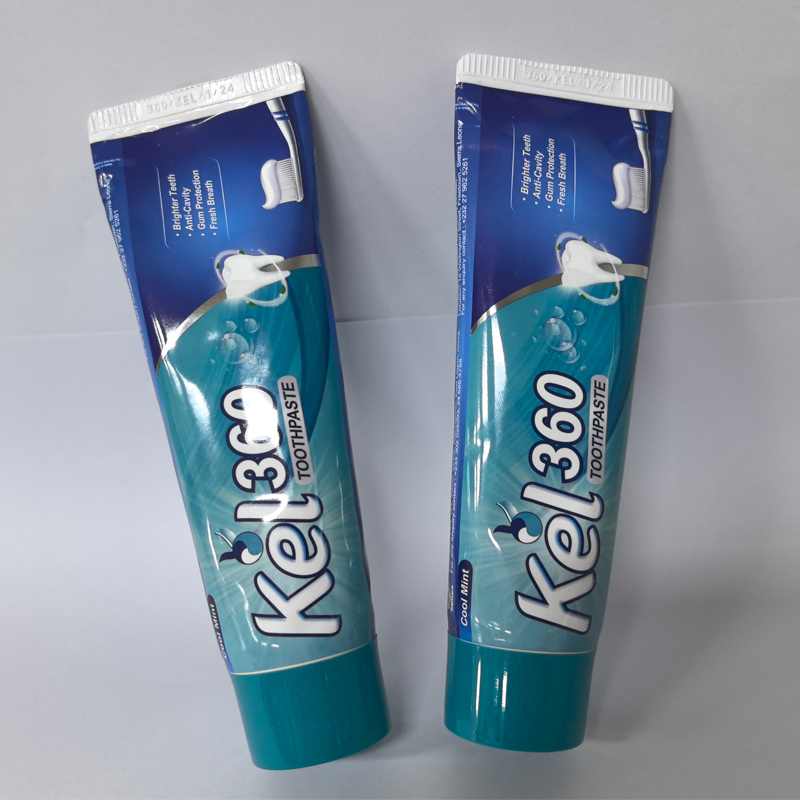
healthy toothpaste
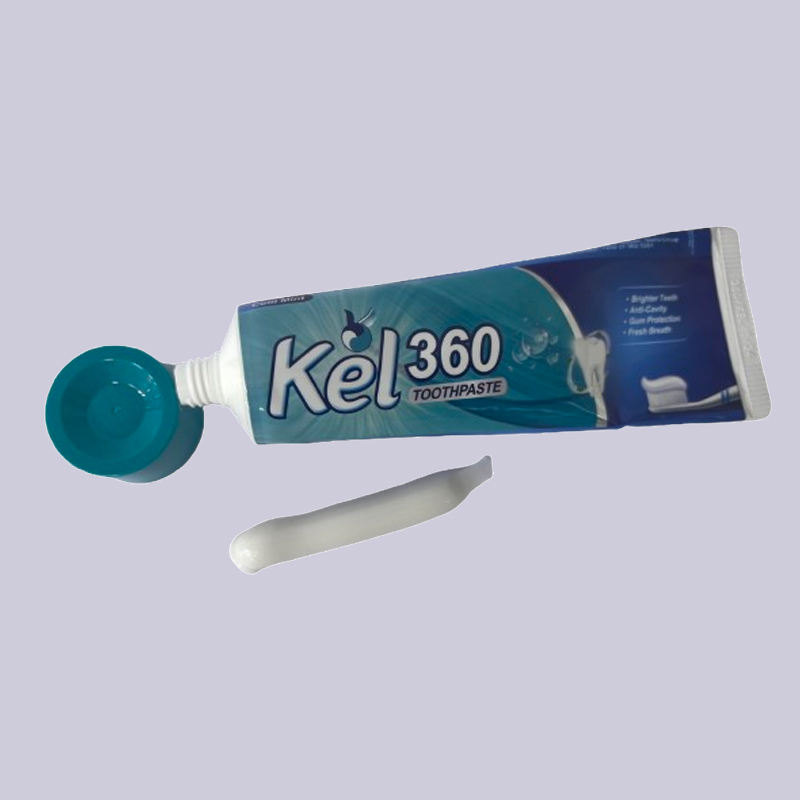
anti cavity strengthening toothpaste
Comprehensive Freshness and Halitosis Control
Beyond cavity prevention, consumers increasingly seek toothpaste for bad breath that addresses social concerns while delivering therapeutic benefits. Halitosis typically originates from bacterial activity on the tongue and in periodontal pockets, where anaerobic microorganisms produce volatile sulfur compounds. Effective toothpaste for bad breath combines fluoride for cavity prevention with antibacterial agents that reduce the bacterial load responsible for malodor.
Quality toothpaste for bad breath also incorporates zinc compounds that chemically neutralize sulfur compounds rather than merely masking them with fragrance. This dual approach—reducing bacterial populations while chemically binding malodorous molecules—provides lasting freshness that survives beyond the immediate brushing experience. Consumers benefit from both cavity protection and social confidence, addressing two primary motivations for oral care simultaneously.
Proper Usage for Maximum Protection
Even the most advanced Anti cavity Strengthening Toothpaste requires proper application to deliver optimal results. Dentists recommend brushing for a full two minutes twice daily, ensuring all tooth surfaces receive adequate fluoride exposure. Spitting excess toothpaste without rinsing allows fluoride to remain on teeth longer, extending the remineralization period. Waiting at least 30 minutes after brushing before eating or drinking prevents immediate dilution of the protective fluoride layer.
For patients at elevated cavity risk—those with dry mouth conditions, orthodontic appliances, or history of frequent cavities—dentists may recommend additional measures. Prescription high fluoride toothpaste containing 5,000 ppm fluoride provides enhanced protection for these vulnerable populations. Some patients benefit from not rinsing after brushing or applying fluoride toothpaste to teeth as a topical treatment before sleep.
The Future of Cavity Prevention
Research continues advancing cavity prevention technology beyond traditional fluoride formulations. Emerging innovations include arginine bicarbonate systems that create alkaline environments unfavorable to cariogenic bacteria, bioactive glass particles that release remineralizing ions over extended periods, and probiotic approaches that crowd out pathogenic organisms. These developments may eventually complement or enhance the fluoride foundation established by current Anti cavity Strengthening Toothpaste formulations.
For now, fluoride remains the most extensively researched and reliably effective cavity prevention ingredient available. Consumers who select quality Anti cavity Strengthening Toothpaste and use it consistently protect their teeth against the most prevalent chronic disease affecting human populations worldwide. Understanding the science behind this daily habit transforms routine brushing from mundane chore to sophisticated preventive therapy.