Is Anti Cavity Strengthening Fluoride Mint Toothpaste Effective for Patients with Dry Mouth?
Dry mouth, clinically known as xerostomia, affects millions of individuals worldwide, creating unique challenges for oral health maintenance. When salivary flow diminishes, the mouth loses its primary defense mechanism against cavities, acid attacks, and bacterial overgrowth. For these patients, selecting appropriate oral care products becomes critically important. But can Anti cavity Strengthening Toothpaste formulated with fluoride and mint deliver adequate protection for dry mouth sufferers?
Understanding the Dry Mouth Challenge
Saliva serves as the mouth's natural protective system, performing functions that manufactured products cannot fully replicate. It buffers acids from foods and bacterial metabolism, provides calcium and phosphate for enamel remineralization, maintains appropriate pH balance, and physically washes away food debris and microorganisms. When dry mouth reduces or eliminates these functions, cavity risk increases dramatically—sometimes by orders of magnitude.
Patients with xerostomia face accelerated demineralization between meals and overnight, when protective salivary flow reaches its lowest ebb. They experience higher rates of root caries, cervical decay, and recurrent cavities around existing restorations. Standard oral care products designed for patients with normal salivary function may prove insufficient for this vulnerable population. This raises the question of whether Anti cavity Strengthening Toothpaste can bridge the protection gap created by salivary insufficiency.
Fluoride Concentration Matters for Dry Mouth
The fluoride content in high fluoride toothpaste becomes particularly significant for dry mouth patients. Standard toothpastes containing 1,000-1,500 ppm fluoride provide adequate protection for individuals with normal salivary function. However, dry mouth patients benefit substantially from elevated fluoride concentrations that compensate for reduced natural defenses.
High fluoride toothpaste formulations delivering 5,000 ppm fluoride—available by prescription in many regions—demonstrate superior efficacy for xerostomia patients. The increased fluoride availability enhances remineralization despite reduced saliva, creates more robust fluorapatite layers on enamel surfaces, and maintains therapeutic fluoride levels longer between brushing sessions. For severe dry mouth cases, this elevated concentration may mean the difference between cavity prevention and progressive decay.
Gentle Formulation Requirements
While effective cavity protection requires adequate fluoride, dry mouth patients must also consider whether a product qualifies as healthy toothpaste suitable for their sensitive oral tissues. Many standard toothpastes contain sodium lauryl sulfate (SLS), a foaming agent that can irritate already compromised oral mucosa. SLS may also temporarily alter taste perception—particularly problematic for patients whose dry mouth already distorts flavor sensations.
Healthy toothpaste for dry mouth patients typically eliminates potentially irritating ingredients while maintaining therapeutic efficacy. Alcohol-free formulations prevent additional drying of oral tissues. Reduced flavoring agents minimize sensory irritation. Increased humectants like glycerin provide temporary moisture relief during and after brushing. These modifications transform standard cavity-fighting toothpaste into formulations compatible with compromised oral environments.
The Mint Question for Dry Mouth
The sensory experience of mint toothpaste presents both benefits and potential drawbacks for xerostomia patients. Mint provides cooling, refreshing sensations that many patients find pleasant and stimulating. This sensory input may encourage longer, more thorough brushing—critical for cavity prevention when natural cleansing mechanisms are compromised. The freshness signals also provide psychological benefits, helping patients feel their mouths are cleaner despite persistent dryness.
However, some dry mouth patients find mint irritating to sensitive oral tissues. Menthol, the active component in mint, can produce burning sensations on already uncomfortable mucosa. High-intensity mint flavors may overwhelm diminished but still present taste capabilities. For these patients, milder mint formulations or non-menthol alternatives may provide better tolerance while maintaining the breath-freshening benefits that encourage consistent use.
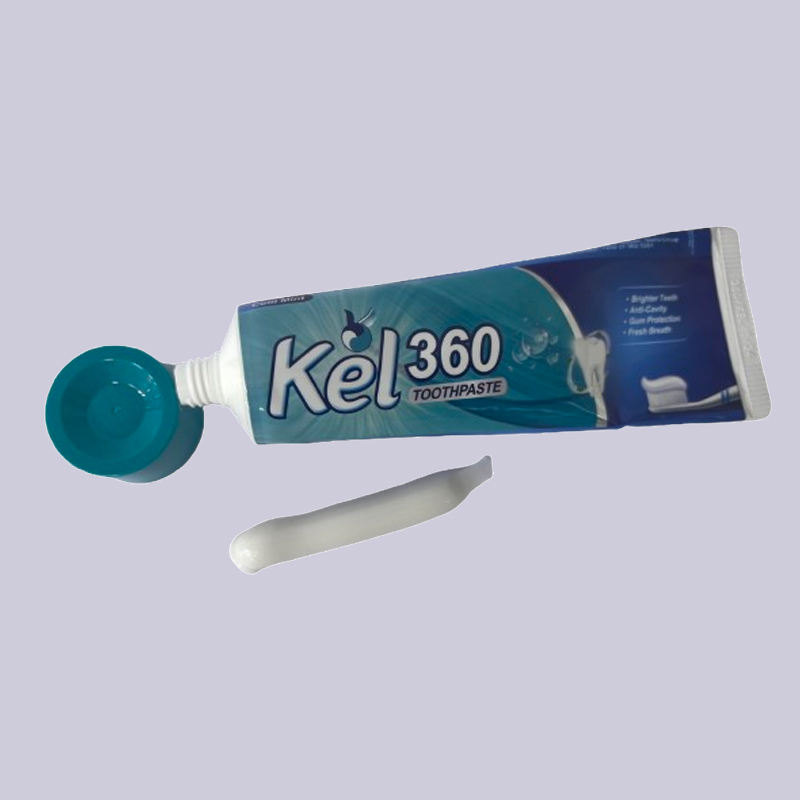
high fluoride toothpaste
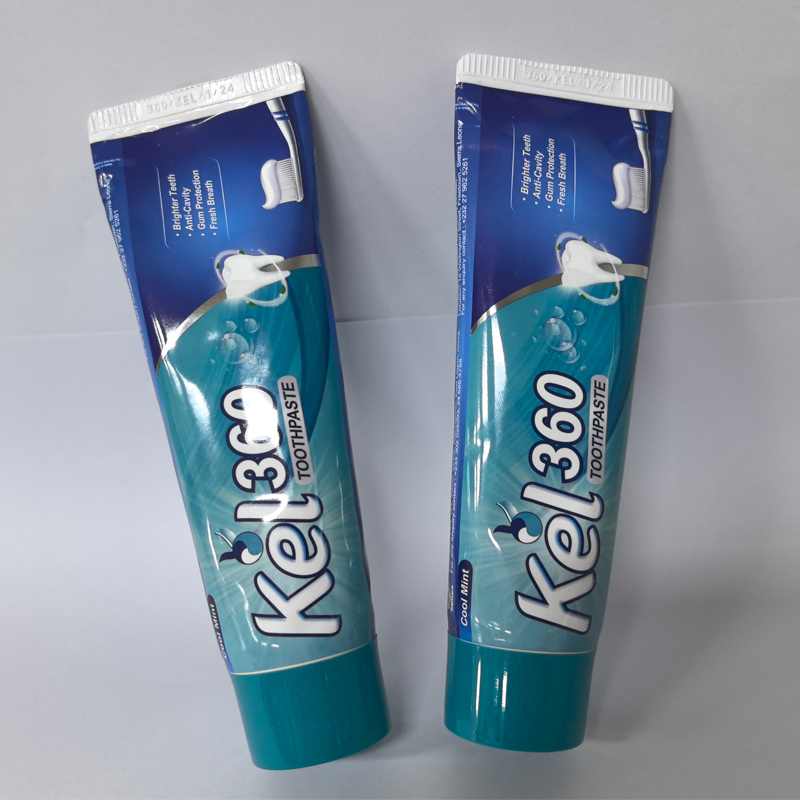
toothpaste for bad breath
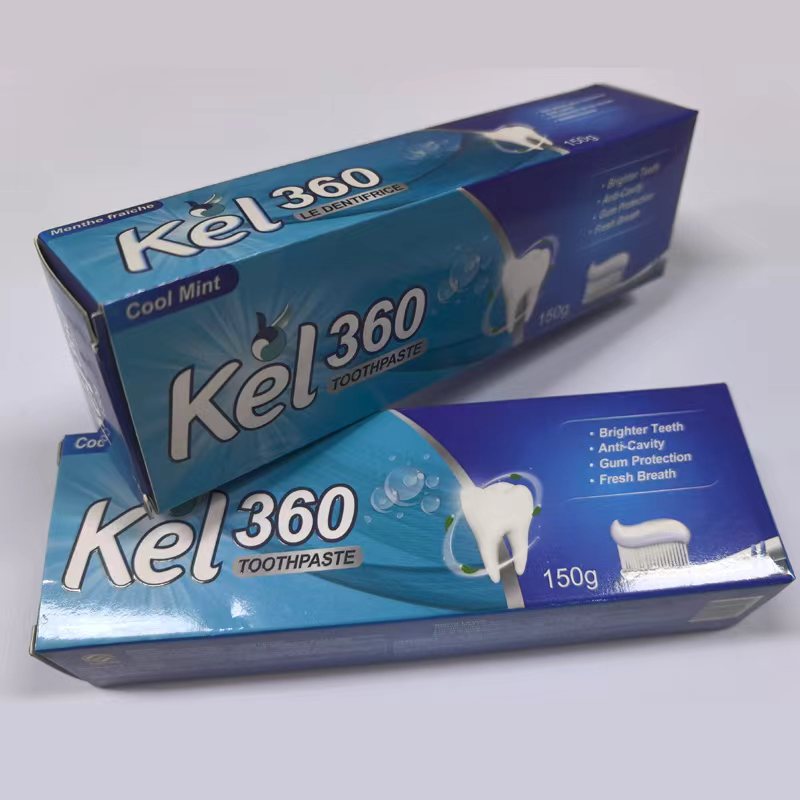
healthy toothpaste
Comprehensive Halitosis Management
Dry mouth frequently causes halitosis, as reduced saliva allows bacterial populations to flourish and volatile sulfur compounds to accumulate. Patients naturally seek toothpaste for bad breath that addresses this socially concerning symptom. Effective toothpaste for bad breath in dry mouth patients must do more than temporarily mask odors—it must address the underlying bacterial causes while respecting tissue sensitivity.
Quality toothpaste for bad breath designed for xerostomia incorporates zinc compounds that chemically neutralize sulfur molecules rather than merely covering them with fragrance. Some formulations include enzymes like lactoperoxidase and lysozyme that partially compensate for missing salivary antibacterial factors. These ingredients help restore some of the bacterial control normally provided by saliva, reducing malodor at its source while providing cavity protection through fluoride content.
Practical Usage Strategies
For dry mouth patients using Anti cavity Strengthening Toothpaste, application technique significantly impacts outcomes. Dentists often recommend not rinsing after brushing, allowing fluoride to remain on teeth longer and maximize remineralization in the absence of saliva. Bedtime brushing proves especially critical, as overnight hours represent the longest period of reduced salivary flow.
Some patients benefit from applying high fluoride toothpaste to teeth as a topical treatment before sleep, allowing concentrated contact without dilution. Others use fluoride toothpaste for additional applications beyond regular brushing, gently rubbing it onto susceptible areas with a clean finger. These strategies maximize the therapeutic benefit of available fluoride when natural protective mechanisms are compromised.
Professional Guidance and Monitoring
Dry mouth patients should never self-prescribe oral care products without professional guidance. Dentists can assess cavity risk levels, identify early demineralization before cavities form, and recommend appropriate Anti cavity Strengthening Toothpaste formulations based on individual needs. They may prescribe high fluoride toothpaste, recommend specific desensitizing agents for exposed roots, or suggest remineralizing pastes for nighttime application.
Regular monitoring allows treatment adjustments as conditions change. Some patients experience fluctuating dry mouth severity based on medications, overall health, or seasonal factors. Professional supervision ensures that cavity protection evolves with patient needs, maintaining effectiveness through changing circumstances.
Anti cavity strengthening fluoride mint toothpaste can indeed prove effective for patients with dry mouth, provided the formulation and usage patterns accommodate their unique needs. High fluoride concentrations compensate for reduced salivary protection. Gentle formulations respect sensitive tissues. Appropriate mint levels encourage compliance without causing irritation. Comprehensive breath control addresses social concerns while maintaining therapeutic focus.
For dry mouth patients, selecting appropriate Anti cavity Strengthening Toothpaste represents just one component of comprehensive oral care. Regular dental visits, adequate hydration, sugar-free lozenges for salivary stimulation, and potential prescription interventions all contribute to maintaining oral health despite salivary insufficiency. With proper product selection and professional guidance, dry mouth patients can achieve cavity prevention that approaches—and sometimes matches—the protection afforded by normal salivary function.