How Does Anti Cavity Strengthening Fluoride Mint Toothpaste Create Acid-Resistant Tooth Surfaces?
Understanding how Anti cavity Strengthening Toothpaste transforms ordinary enamel into acid-defying armor reveals the sophisticated science behind daily brushing. This process, occurring billions of times daily across the globe, represents one of preventive dentistry's most significant achievements.
The Fluoride-Enamel Interaction
When high fluoride toothpaste contacts teeth, fluoride ions begin immediate interaction with the enamel surface. Hydroxyapatite—the primary mineral component of teeth—undergoes transformation as fluoride replaces hydroxyl groups within the crystal lattice. This conversion creates fluorapatite, a significantly more stable and acid-resistant mineral structure.
Fluorapatite differs chemically from hydroxyapatite by its tighter crystal packing and lower solubility at acidic pH. While hydroxyapatite begins dissolving when oral pH drops below 5.5, fluorapatite resists dissolution until pH falls below 4.5. This single pH unit difference proves clinically significant, as common dietary acids rarely create oral conditions acidic enough to dissolve fluorapatite-protected enamel.
The Remineralization Cycle
Anti cavity Strengthening Toothpaste works through continuous remineralization rather than one-time protection. Each brushing session deposits fluoride ions onto and into enamel surfaces, creating a reservoir of protection. Between brushings, when dietary acids challenge tooth integrity, this fluoride reservoir mobilizes to repair early demineralization before cavities form.
This dynamic process explains why consistent use matters more than occasional intensive treatment. Regular application of high fluoride toothpaste maintains enamel fluoride levels sufficient to intercept and reverse the earliest stages of decay—demineralization that would otherwise progress to irreversible cavitation.
Surface Modification at Microscopic Level
The acid-resistant surface created by Anti cavity Strengthening Toothpaste differs structurally from untreated enamel. Microscopic examination reveals reduced surface porosity, decreased permeability to acids and bacterial byproducts, and increased mineral density in outer enamel layers. These physical changes complement the chemical transformation of hydroxyapatite to fluorapatite.
For patients with existing early lesions—white spots indicating demineralization—fluoride toothpaste can actually reverse damage by depositing new mineral into subsurface porous zones. This remineralization restores enamel integrity while creating surfaces more acid-resistant than the original tooth structure.
The Role of Flavor in Protection
While the mint experience might seem unrelated to acid resistance, mint toothpaste plays an indirect but important role in surface protection. The pleasant sensory experience encourages adequate brushing duration—typically two minutes—allowing fluoride sufficient contact time for optimal enamel interaction. Patients who enjoy their toothpaste brush longer and more thoroughly.
Mint toothpaste also stimulates salivary flow through sensory activation, temporarily increasing the mouth's natural buffering capacity immediately after brushing. This combination of fluoride deposition and stimulated saliva creates optimal conditions for enamel protection during the critical post-brushing period.
Comprehensive Oral Health Benefits
The acid-resistant surfaces created by Anti cavity Strengthening Toothpaste deliver benefits beyond cavity prevention. Smooth, highly mineralized enamel resists plaque accumulation, as bacteria struggle to colonize surfaces where they cannot create protective biofilms. This reduced bacterial load benefits gum health and freshens breath simultaneously.
For patients concerned about halitosis, the same fluoride that hardens enamel also inhibits bacterial enzyme systems responsible for producing volatile sulfur compounds. Quality toothpaste for bad breath thus provides dual benefits—creating acid-resistant surfaces while reducing malodor at its bacterial source.
Building Cumulative Protection
Unlike surface coatings that wear away, the acid-resistant transformation achieved by Anti cavity Strengthening Toothpaste accumulates over time. Each brushing adds to the fluoride reservoir within and on enamel surfaces. Months and years of consistent use create progressively more acid-resistant teeth, explaining why long-term fluoride users enjoy dramatically lower cavity rates than non-users.
This cumulative effect means even patients with past decay can achieve future protection through consistent use of appropriate products. The enamel that remains, though perhaps already containing restorations, becomes increasingly resistant to new attack.
Anti cavity strengthening fluoride mint toothpaste creates acid-resistant tooth surfaces through a scientifically elegant mechanism—transforming ordinary enamel into fluorapatite through repeated fluoride exposure during brushing. This process requires consistent application of adequate fluoride concentrations, sufficient contact time, and regular reinforcement. The resulting protection, enhanced by mint-stimulated saliva flow and comprehensive oral health benefits, explains why fluoride toothpaste remains dentistry's most successful preventive intervention
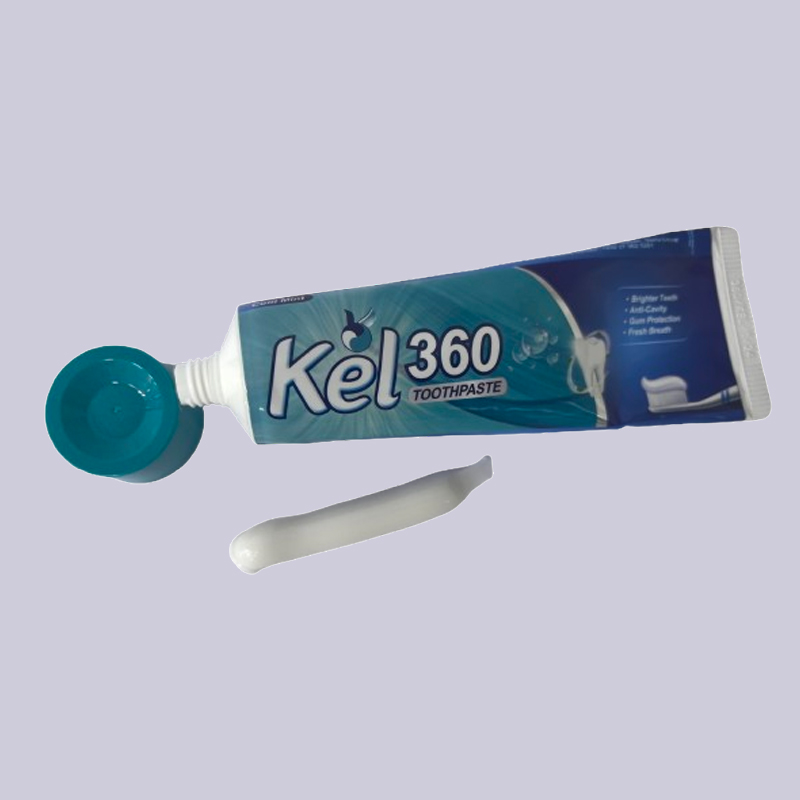
toothpaste for bad breath
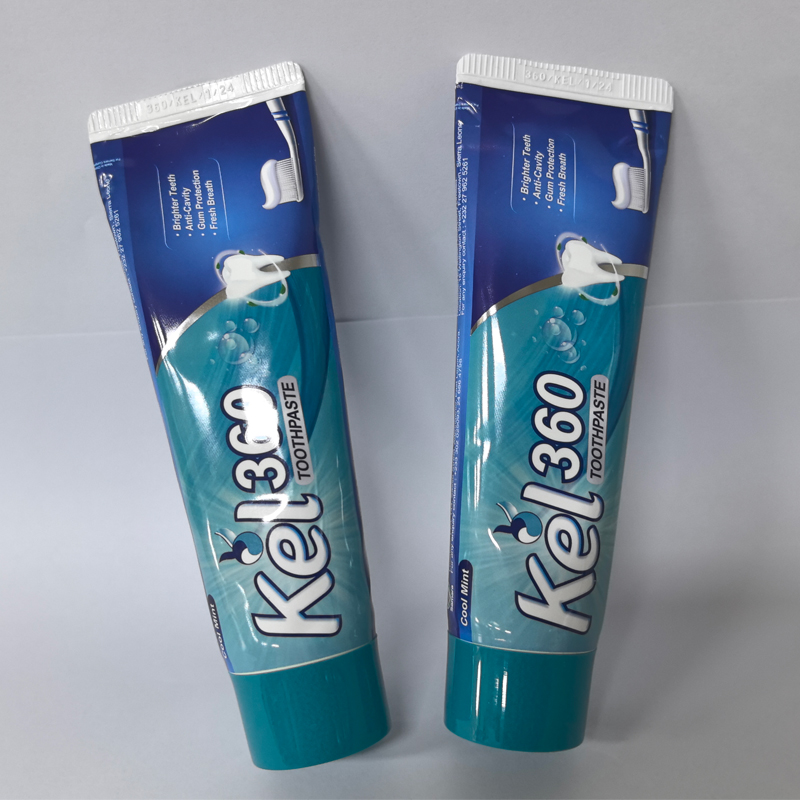
high fluoride toothpaste
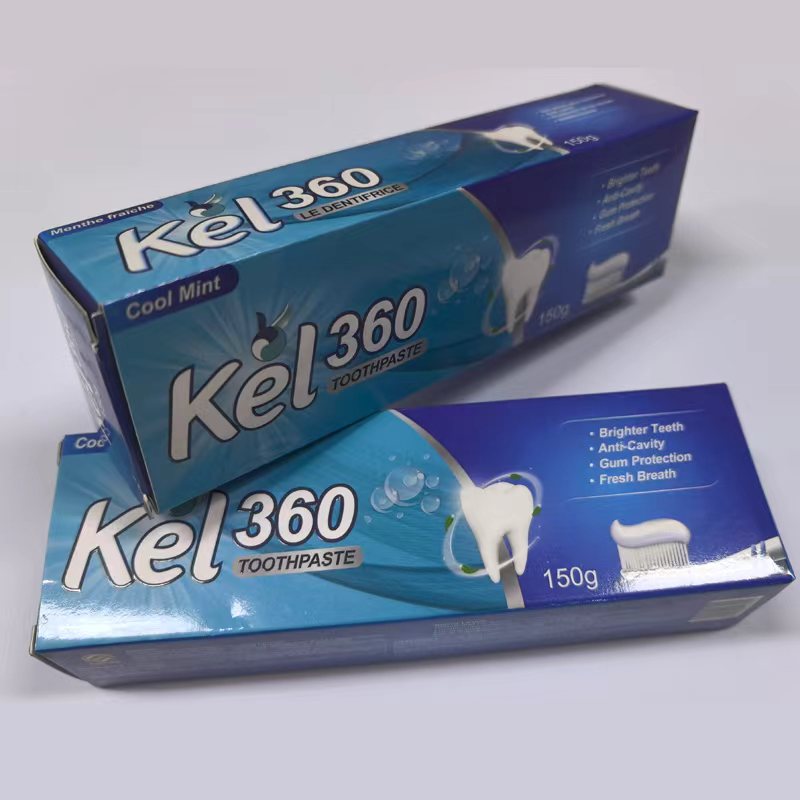
healthy toothpaste