Is Mouthwash Actually Effective for Reducing Dental Plaque?
Dental plaque—the sticky biofilm constantly forming on teeth—represents the primary cause of cavities and gum disease. Millions of consumers incorporate mouthwash into their daily routines hoping to control this microbial buildup. But does rinsing actually deliver meaningful plaque reduction, or is it merely cosmetic?
Understanding Plaque Biology
Plaque differs fundamentally from food debris or superficial coatings. It consists of organized bacterial communities embedded in a protective matrix of extracellular polymers. These biofilms resist simple rinsing because bacteria adhere tenaciously to enamel and each other through specialized adhesion mechanisms. This structural complexity explains why mouthwash alone cannot mechanically disrupt established plaque.
Therapeutic vs. Cosmetic Formulations
The plaque-fighting effectiveness depends entirely on whether you select therapeutic antimicrobial mouthwash rather than cosmetic varieties. Cosmetic products temporarily mask odors and provide pleasant sensation but lack ingredients capable of penetrating biofilms. True therapeutic antimicrobial mouthwash contains clinically proven agents like chlorhexidine, cetylpyridinium chloride, or essential oils that actively kill bacteria within plaque structures.
Mechanical Disruption Requirements
Even powerful antimicrobial mouthwash cannot fully penetrate mature plaque's protective matrix. The biofilm's outer layers absorb and neutralize active ingredients before they reach deeper bacterial layers. This limitation means mouthwash works best on freshly cleaned surfaces where plaque thickness remains minimal—immediately after brushing and flossing.
Comprehensive Halitosis Management
For patients seeking halitosis mouthwash, plaque control proves essential because volatile sulfur compounds responsible for bad breath originate within bacterial biofilms. Effective halitosis mouthwash combines antibacterial agents that reduce plaque bacteria with zinc compounds that chemically neutralize existing odors. This dual approach addresses both cause and symptom simultaneously.
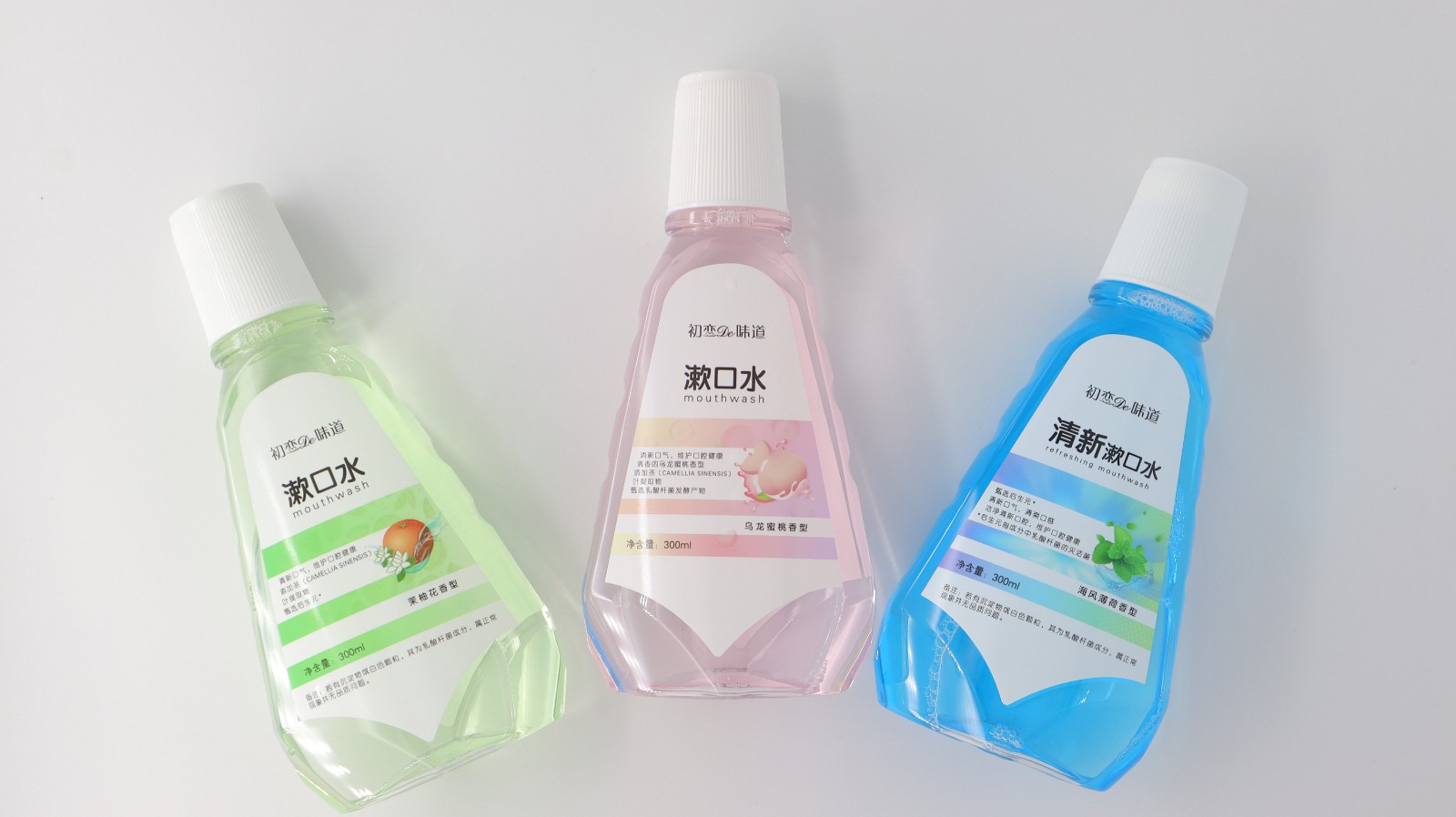
halitosis mouthwash
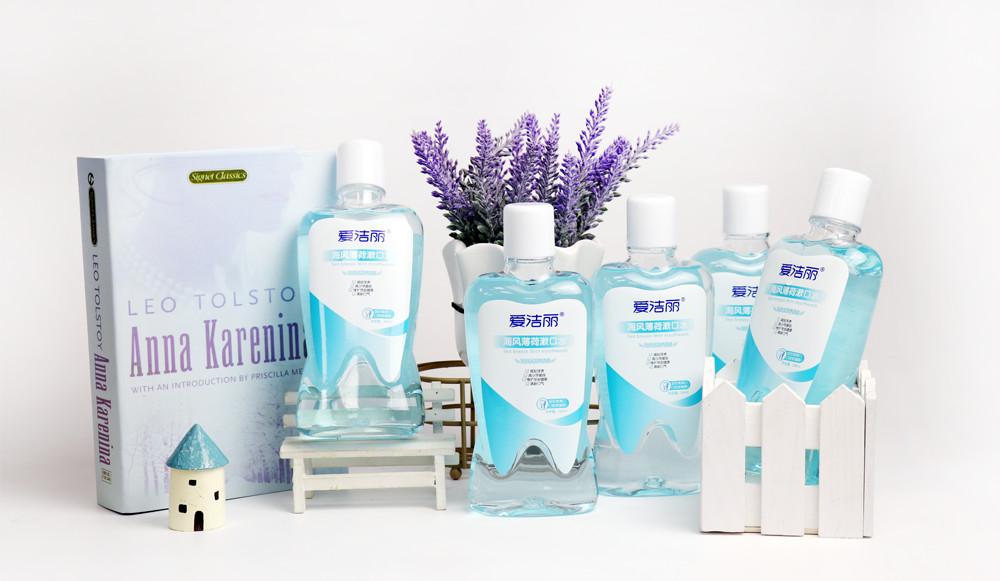
antimicrobial mouthwash
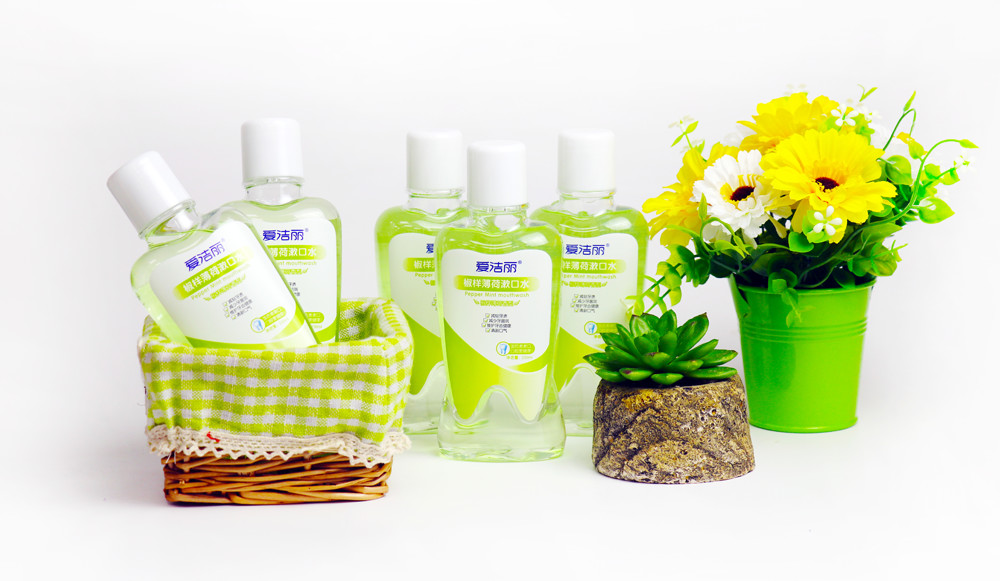
probiotic mouth rinse
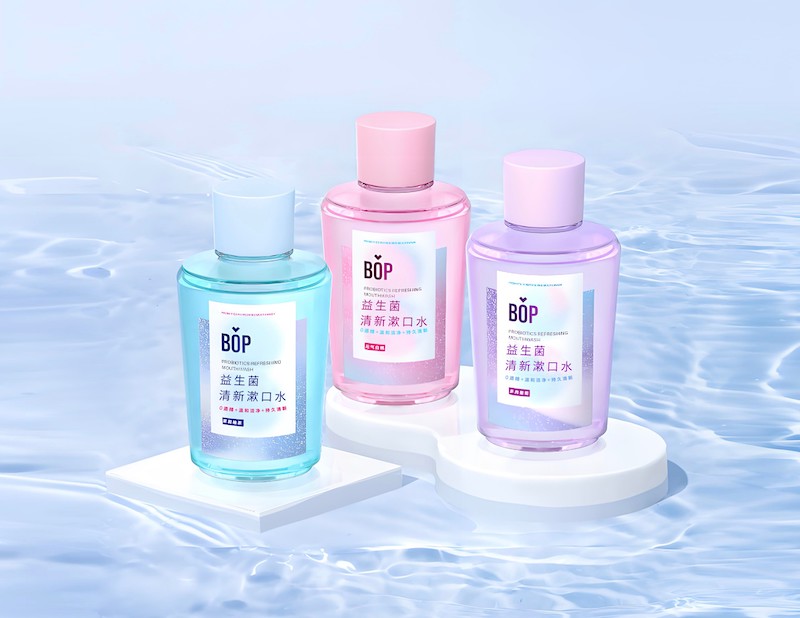
probiotic mouthwash
The Probiotic Alternative
Emerging research explores whether probiotic mouthwash offers different plaque-control mechanisms. Rather than killing bacteria indiscriminately, probiotic mouth rinse introduces beneficial microorganisms that competitively exclude pathogenic species. This ecological approach may reduce plaque pathogenicity without disrupting beneficial oral flora.
Probiotic mouth rinse formulations typically contain Streptococcus salivarius or Lactobacillus strains that colonize oral surfaces and produce antimicrobial compounds against cariogenic bacteria. Early studies suggest potential for plaque modulation, though evidence remains less established than for traditional antimicrobial approaches.
Clinical Evidence Review
Systematic reviews examining mouthwash efficacy reveal important patterns. Chlorhexidine gluconate at 0.12-0.2% concentrations demonstrates the most consistent plaque reduction—approximately 20-30% when used alongside mechanical cleaning. Essential oil formulations show moderate efficacy, while cetylpyridinium chloride provides modest benefits. All require combination with brushing for meaningful results.
Proper Usage Protocol
Maximum plaque reduction requires correct mouthwash technique. Rinsing for a full 30-60 seconds ensures adequate contact time. Using mouthwash at separate times from brushing prevents soap interference with active ingredients. Avoiding eating or drinking for 30 minutes afterward maintains therapeutic concentrations.
Realistic Expectations
Consumers should understand that mouthwash supplements rather than replaces mechanical cleaning. Brushing physically disrupts biofilm architecture, while flossing reaches interdental spaces inaccessible to rinsing. Mouthwash then reduces remaining bacteria and penetrates where mechanical tools cannot reach.
Mouthwash proves effective for reducing dental plaque when used appropriately—as an adjunct to thorough mechanical cleaning rather than a substitute. Selecting therapeutic antimicrobial mouthwash with clinically proven ingredients, using correct technique, and maintaining realistic expectations allows patients to maximize plaque-control benefits. For those seeking fresh breath alongside plaque reduction, specialized halitosis mouthwash formulations provide comprehensive solutions. Azalli probiotic mouthwash options may eventually expand the arsenal against dental biofilm.
Fujian Azalli Daily Chemicals Co., Ltd. is deeply rooted in the field of oral health care, specializing in the R&D and intelligent manufacturing (ODM/OEM) of a comprehensive range of oral care products—including toothpaste, mouthwash, oral sprays, tooth powder, antibacterial oral pastes, antibacterial mouthwashes, and medical-grade polishing pastes. We are dedicated to serving as the steadfast foundation that propels brands to new heights of success.