How Does Fluoride Strengthen Young Enamel?
As parents, we hear constantly that fluoride is "good for teeth." We are told to buy fluoride toothpaste for our children and to ensure they get enough of this mineral to prevent cavities. But have you ever stopped to wonder exactly what happens inside your child's mouth when they brush? Understanding the biological mechanism of fluoride can transform your perspective on daily brushing from a chore into a fascinating act of scientific protection.
The process of strengthening young enamel is a complex dance of minerals, acids, and chemistry. By understanding how fluoride works, you will see why choosing the right toothpaste is one of the most important health decisions you can make for your child.
The Dynamic Nature of Tooth Enamel
To understand how fluoride strengthens enamel, we must first understand that a tooth is not a static, lifeless rock. It is a dynamic structure constantly undergoing two opposing processes: demineralization and remineralization.
Demineralization: Every time your child eats sugar or carbohydrates, bacteria in the mouth feed on these particles and produce acid. This acid attacks the enamel, stripping away calcium and phosphate minerals. This is the beginning of tooth decay.
Remineralization: Saliva naturally contains calcium and phosphate. Between meals, these minerals are redeposited onto the enamel, repairing the microscopic damage caused by acid.
When a child uses fluoride toothpaste, they are essentially tipping the scales in favor of remineralization. The fluoride ions integrate into the tooth surface, creating a much stronger defense system.
The Chemical Transformation: Hydroxyapatite to Fluorapatite
The magic of fluoride lies in chemistry. The primary mineral in tooth enamel is called hydroxyapatite, a crystalline structure made of calcium and phosphate. While relatively strong, hydroxyapatite is vulnerable to acid erosion.
When fluoride is present on the tooth surface—ideally from sodium fluoride toothpaste—a transformation occurs. The fluoride ions are incorporated into the hydroxyapatite crystal, converting it into fluorapatite. This is the key to strengthening young enamel.
Fluorapatite has two distinct advantages over its predecessor:
Hardness: It is significantly harder and more durable.
Acid Resistance: It dissolves at a much lower pH level than hydroxyapatite. In simple terms, it takes a much stronger acid attack to break down fluorapatite.
By using a reliable sodium fluoride toothpaste, you are chemically altering the composition of your child's enamel, making it fundamentally tougher than it was before.
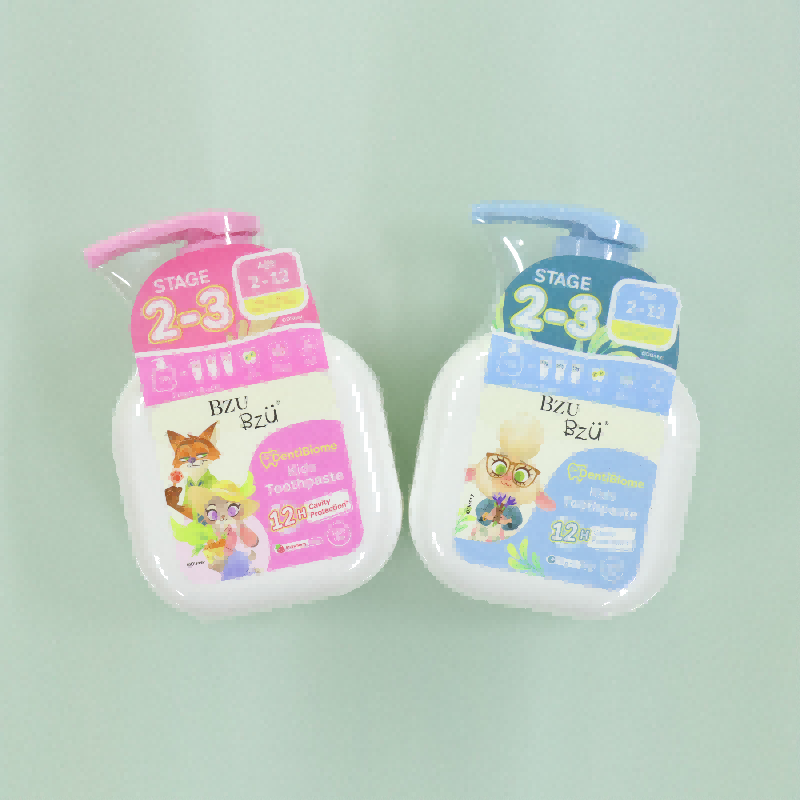
fluoridex toothpaste
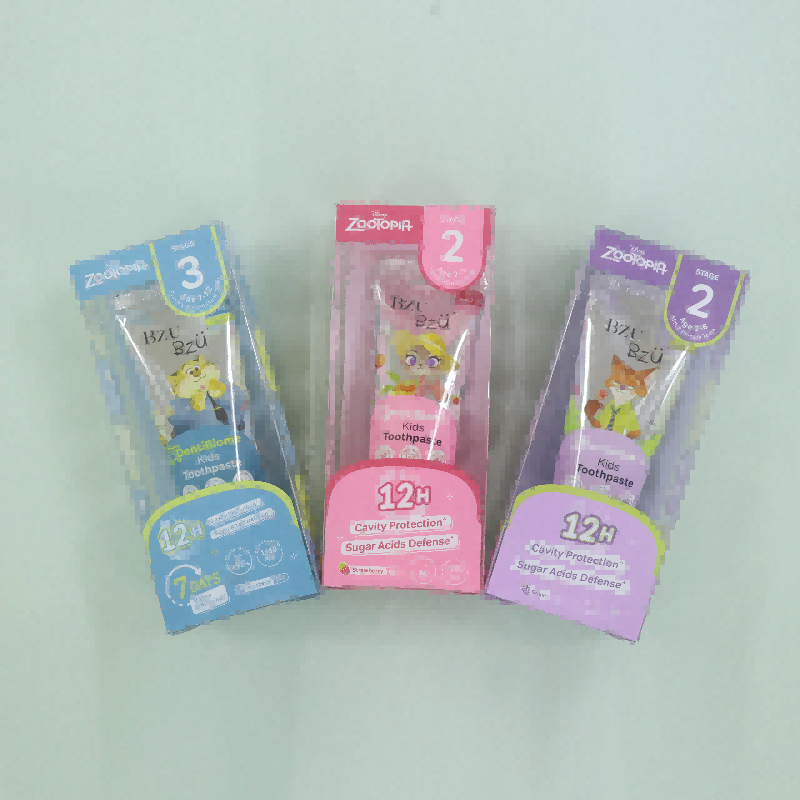
baby toothpaste
The Remineralization Superhighway
Beyond creating stronger crystals, fluoride actively repairs damage that has already begun. In the earliest stages of a cavity, before a physical hole forms, the enamel has simply lost minerals. This is called a "white spot lesion."
Topical fluoride, delivered via fluoride toothpaste, accelerates the remineralization process dramatically. It attracts calcium and phosphate ions from the saliva and pulls them back into the enamel. The fluoride acts as a catalyst, speeding up the natural repair process.
This is why brushing with fluoride toothpaste twice a day is crucial. Each brushing session delivers a fresh dose of fluoride to the enamel surface, ensuring that any acid attacks from meals are quickly counteracted by a repair session. For infants and toddlers, a smear of baby toothpaste containing fluoride is enough to initiate this repair cycle on their delicate, thin enamel.
Building a Foundation for Permanent Teeth
The strengthening effect of fluoride is not just for the baby teeth present in the mouth today. It also sets the stage for the permanent teeth developing beneath the gums. While the primary benefit of toothpaste is topical, systemic fluoride (ingested from water or supplements) is incorporated into the structure of permanent teeth as they form.
However, for the teeth that have already erupted, the topical application remains king. This is where products like fluoridex toothpaste come into play for older children. Fluoridex toothpaste is a high-concentration formula often recommended by dentists for patients undergoing orthodontic treatment or those with a high decay risk. It floods the mouth with a high volume of fluoride ions, ensuring that even hard-to-reach areas around brackets and wires receive the strengthening benefits.
The Role of Baby Toothpaste in Early Strengthening
Starting early is critical. The enamel on primary teeth is only half as thick as enamel on permanent teeth. This makes babies and toddlers extraordinarily vulnerable to rapid decay. Using a baby toothpaste with fluoride from the eruption of the first tooth ensures that this thin enamel is constantly being bathed in strengthening ions.
A quality baby toothpaste does more than just clean; it actively builds a defense system. By gently brushing twice a day, you are depositing a microscopic layer of fluorapatite onto those tiny teeth, making them resilient enough to last until the permanent teeth are ready to emerge. It turns the tooth into a fortress, with fluoride as the primary building material.
Fluoride strengthens young enamel through a sophisticated process of chemical conversion and accelerated repair. It transforms vulnerable hydroxyapatite into rugged fluorapatite, and it actively reverses the early stages of decay before they become cavities.
Whether you are using a standard sodium fluoride toothpaste for your school-aged child, a gentle baby toothpaste for your toddler, or a specialized gel like fluoridex toothpaste for a high-risk teenager, the science remains the same. You are harnessing the power of fluoride to build stronger, healthier teeth. By making fluoride toothpaste a non-negotiable part of the daily routine, you are giving your child the gift of enamel that can truly stand the test of time.