
Is Fluoride Necessary in Kids' Toothpaste?
Parenthood comes with a never-ending list of decisions, and dental care is no exception. As you stand in the oral care aisle, you might find yourself staring at a wall of options designed for children. Some tubes boast natural ingredients and are labeled "fluoride-free," while others proudly display fluoride as their key active ingredient. This leads to a pressing question for modern parents: Is fluoride actually necessary in a child's toothpaste?
With the rise of holistic health trends and concerns about over-exposure, many caregivers are tempted to skip the fluoride. However, dental professionals overwhelmingly agree that fluoride is not just a helpful additive; for most children, it is an essential component of a healthy oral care routine. Let’s break down the necessity of fluoride and what it means for your child’s developing smile.
Understanding the Cavity Epidemic in Children
To determine the necessity of fluoride, we must first look at the prevalence of tooth decay. According to global health organizations, dental caries (cavities) are one of the most common chronic childhood diseases. Despite being largely preventable, cavities affect millions of children worldwide, leading to pain, difficulty eating, missed school days, and even issues with speech development.
The primary culprit is the interaction between bacteria in the mouth and the sugars in our diet. These bacteria produce acid that eats away at tooth enamel. Without intervention, this demineralization process creates holes—cavities. This is where fluoride toothpaste becomes necessary. It acts as a direct countermeasure to this daily biological process, actively working to reverse the early stages of decay before they become permanent damage.
The Unique Vulnerability of Baby Teeth
One argument parents make for skipping fluoride is that "baby teeth just fall out anyway." This is a dangerous misconception. Baby teeth serve as natural space maintainers for permanent teeth. If a baby tooth is lost too early due to decay, the surrounding teeth can shift, causing crowding or misalignment when the adult teeth try to emerge.
Furthermore, the enamel on primary teeth is significantly thinner and softer than on permanent teeth. This means they are actually more susceptible to decay, not less. Using a fluoride-based baby toothpaste from the eruption of the first tooth provides a critical layer of protection. A quality baby toothpaste with fluoride hardens that fragile enamel, giving the tooth a fighting chance against the acids produced by breast milk, formula, or juice. Therefore, fluoride is not just necessary; it is the primary defense system for these vulnerable temporary teeth.
Fluoridex Toothpaste: A Sign of Advanced Need
As children grow, their dental needs can change. For most kids, a standard cavity-fighting gel is sufficient. However, some children are classified as "high risk" for cavities due to factors like genetics, diet, or medical conditions. In these cases, a standard formulation might not be enough. This is where products like fluoridex toothpaste enter the conversation.
Fluoridex toothpaste is a brand name associated with high-fluoride formulations, often containing 1.1% sodium fluoride. This is a prescription-level strength designed for patients with a high risk of decay or those undergoing orthodontic treatment (braces), which makes cleaning difficult. While a child might not need fluoridex toothpaste specifically, its existence highlights a crucial point: fluoride works on a spectrum. The necessity of fluoride is so well-established that stronger versions exist for those who need extra help. For the average child, a standard sodium fluoride toothpaste with 1000 to 1500 ppm (parts per million) of fluoride is the necessary and sufficient tool to prevent cavities.
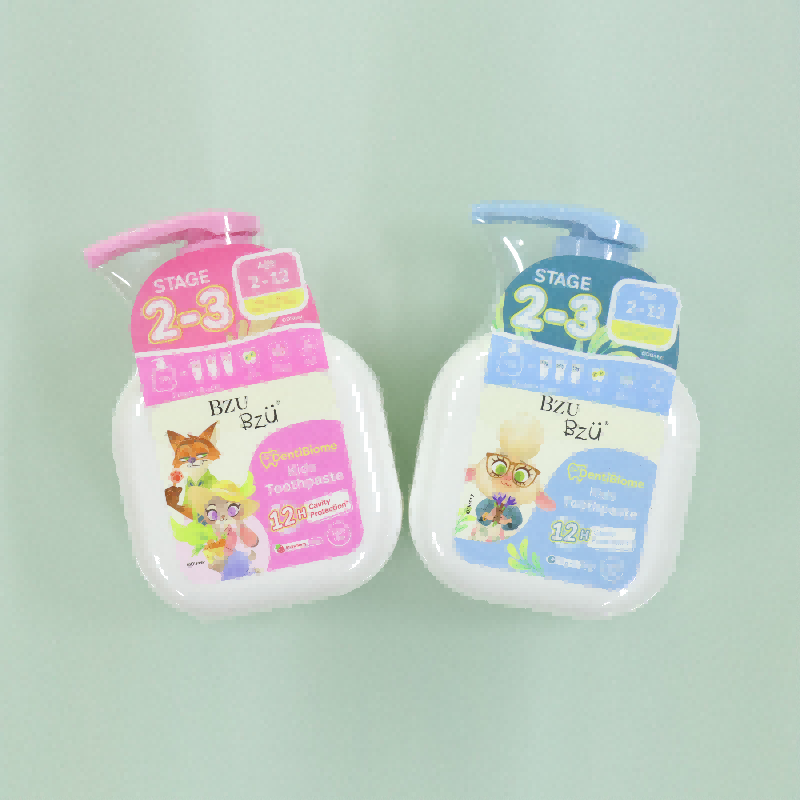
baby toothpaste
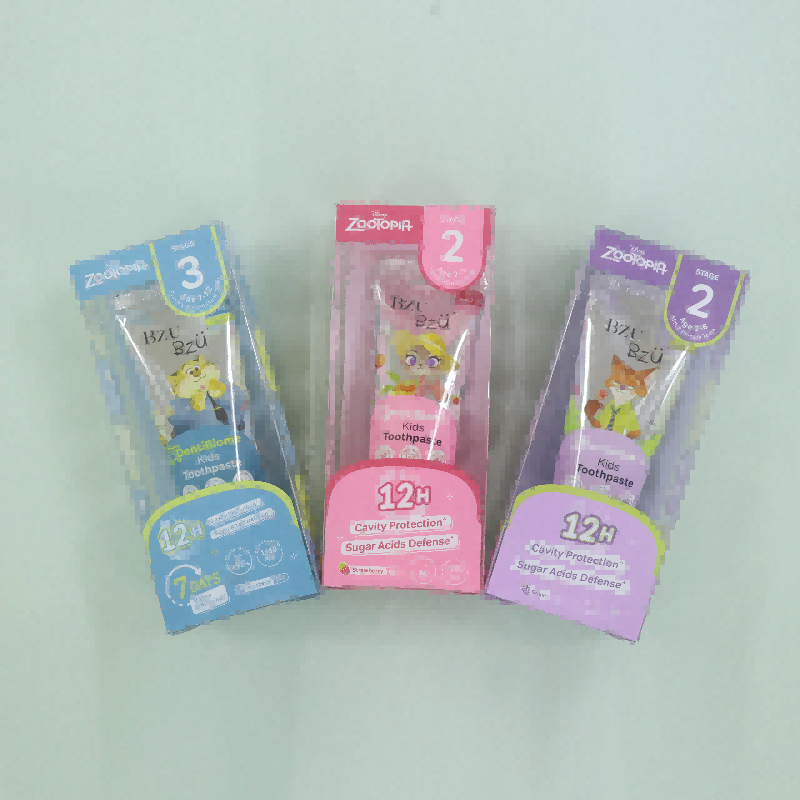
fluoridex toothpaste
Debunking the Fluorosis Fear
The most common reason parents question the necessity of fluoride is the fear of dental fluorosis. Fluorosis is a cosmetic condition that causes faint white streaks or spots on the teeth, caused by ingesting too much fluoride while teeth are developing under the gums.
This fear is valid, but it is also manageable. Fluorosis is a cosmetic issue, not a disease, and it is caused by ingesting fluoride, not by topical application. This distinction is key. The fluoride in fluoride toothpaste works topically—it sits on the surface of the teeth already in the mouth.
The solution is not to abandon fluoride, but to use it correctly.
For infants and toddlers: Use a smear of baby toothpaste no larger than a grain of rice.
For children aged 3-6: Use a pea-sized amount of fluoride toothpaste and encourage spitting, not swallowing.
By controlling the amount, you get the necessary cavity prevention without the cosmetic risk. Avoiding fluoride out of fear of fluorosis is like avoiding car seats because of a fear of minor seatbelt rashes—it ignores the much larger, more common danger (cavities vs. car accidents).
Sodium Fluoride Toothpaste: The Gold Standard
When you look at the ingredients of an effective paste, you will likely see sodium fluoride toothpaste listed. Sodium fluoride is the most widely used and extensively researched form of fluoride in oral care. It is highly bioavailable, meaning it easily integrates into the tooth structure to form fluorapatite—a much harder, more acid-resistant mineral than the original enamel.
Choosing a sodium fluoride toothpaste for your child ensures you are using a product with proven efficacy. It is the ingredient that transforms a simple cleaning tool into a medical device for cavity prevention. While "natural" toothpaste options without fluoride can clean away food particles, they lack the chemical ability to strengthen enamel and reverse early decay. For true prevention, the presence of sodium fluoride is non-negotiable.
Conclusion: A Necessary Tool, Not an Option
So, is fluoride necessary in kids' toothpaste? For the vast majority of children, the answer is a definitive yes. While careful supervision is required to prevent ingestion, the benefits of fluoride far outweigh the risks. It is the only ingredient proven to actively remineralize enamel and stop cavities in their tracks.
From the first tiny tooth requiring baby toothpaste to the school-aged child using a standard fluoride toothpaste, this mineral provides a lifetime of protection. Whether you are using a standard grocery store brand or a specialized gel like fluoridex toothpaste recommended by your dentist, the presence of fluoride is what makes the routine effective. By choosing a fluoride-based toothpaste, you are not just cleaning your child's teeth; you are investing in their overall health, confidence, and future.