What Sensors Detect Air Bubbles in High-Speed Toothpaste Tube Filling?
During high-speed toothpaste tube filling (200–400 tubes per minute), entrained air bubbles cause under-weight fills, tube burst risks, and consumer complaints. Detecting these bubbles in real time requires specialized sensors. For natural toothpaste containing plant fibers and irregular particles, bubble detection is more challenging. An antiseptic toothpaste with low-surface-tension alcohols generates micro-foam. An antibacterial toothpaste with high-viscosity gels traps bubbles that resist rising. Even standard fluoride toothpaste with 80,000 cP viscosity can hide bubbles that escape visual inspection. Selecting the correct sensor for toothpaste filling is critical.
1. Ultrasonic Sensors: Best for Opaque Toothpaste
Ultrasonic sensors emit high-frequency sound waves (0.5–4 MHz) through the toothpaste stream. Air bubbles reflect sound differently than liquid media. For natural toothpaste containing dark pigments (charcoal, clay), optical sensors fail. Ultrasonic sensors detect bubbles as small as 0.5 mm diameter in natural toothpaste. An antiseptic toothpaste with alcohol content does not attenuate ultrasound significantly. For an antibacterial toothpaste with zinc compounds, ultrasonic signals remain stable. A fluoride toothpaste tested at 120,000 cP shows ultrasonic bubble detection with 98% accuracy. Clamp-on ultrasonic sensors are preferred because they do not contact toothpaste, eliminating cleaning validation.
2. Capacitive Sensors: Sensitive to Dielectric Changes
Capacitive sensors measure dielectric constant differences between toothpaste and air. Air bubbles (dielectric constant ≈1) versus toothpaste (dielectric constant 15–30 depending on water content) create measurable capacitance drops. For natural toothpaste with high water activity (0.85–0.90), capacitive sensors achieve 0.2 mm bubble detection. An antiseptic toothpaste containing thymol or eucalyptol shows no interference with capacitive fields. For an antibacterial toothpaste with ionic actives (cetylpyridinium chloride), capacitive sensitivity increases due to higher conductivity. A fluoride toothpaste filling line equipped with capacitive sensors detects bubbles at 300 tubes per minute with response time <20 milliseconds. However, sensor drift requires weekly calibration for toothpaste formulations.
3. Optical Sensors: High Speed but Limited Utility
Optical sensors use laser or LED transmission through transparent toothpaste. Unfortunately, most toothpaste is opaque or translucent, limiting optical utility. For natural toothpaste containing titanium dioxide (whitening agent), light transmission is zero. An antiseptic toothpaste with colored essential oils (eucalyptus green, tea tree amber) scatters light unpredictably. Optical sensors perform poorly for antibacterial toothpaste with suspended particles (e.g., micro-silver). However, a fluoride toothpaste with clear gel formulation (no pigments) allows optical bubble detection down to 0.3 mm at 500 tubes per minute. For opaque toothpaste, optical sensors should be avoided. Near-infrared (NIR) variants improve penetration but remain inferior to ultrasonic for toothpaste applications.
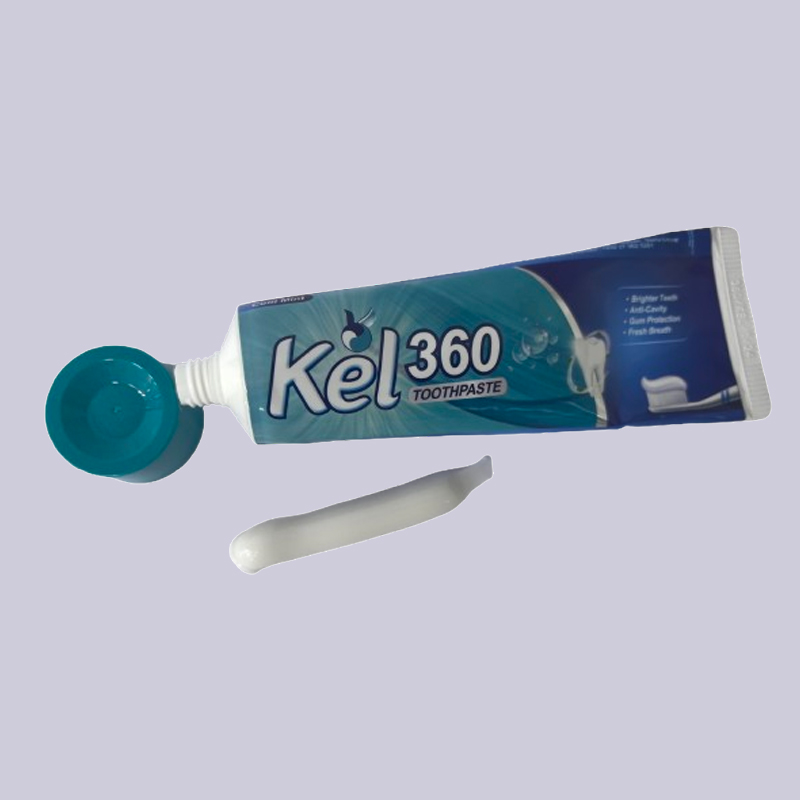
antiseptic toothpaste
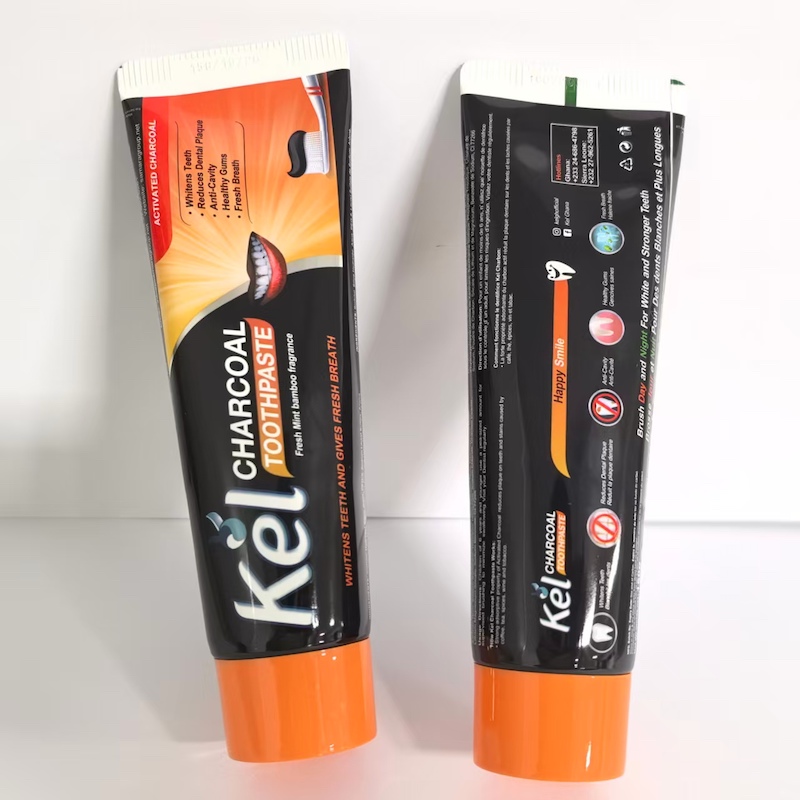
fluoride toothpaste
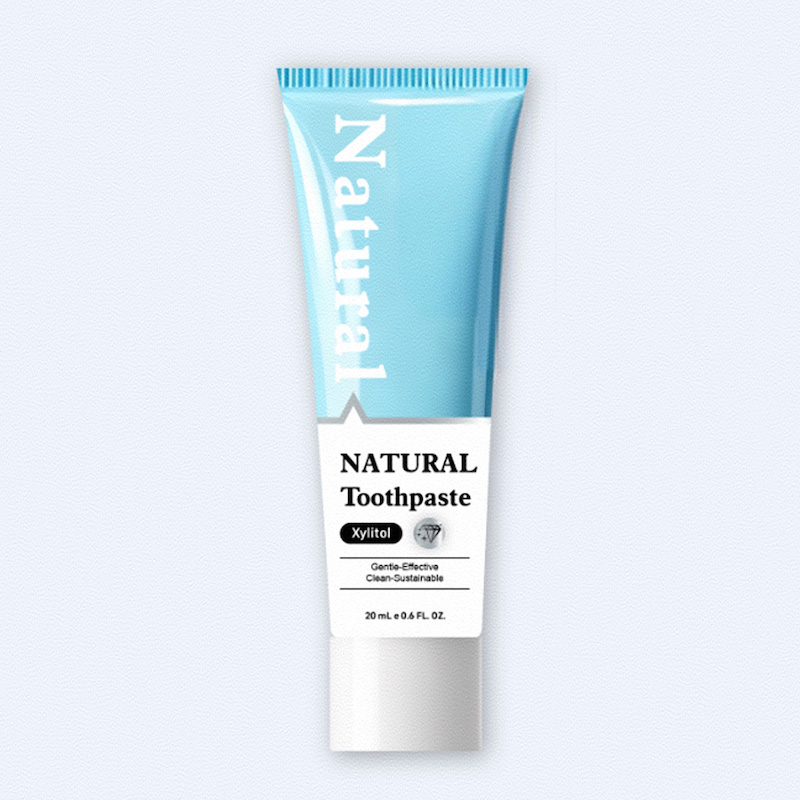
natural toothpaste
fluoride toothpaste
4. Pressure Transducers with Dynamic Filtering
Differential pressure transducers placed immediately after the filling nozzle detect bubbles as transient pressure drops. For toothpaste, a bubble passing through a fixed orifice creates a characteristic pressure spike (negative then positive). Advanced algorithms filter pump pulsation from true bubble signals. For natural toothpaste with fibrous particulates, pressure sensors generate false positives; signal processing must exclude fiber-induced noise. An antiseptic toothpaste with low viscosity (due to alcohol) requires high-sampling-rate sensors (1 kHz minimum). An antibacterial toothpaste with thixotropic behavior shows baseline pressure drift; adaptive algorithms compensate. A fluoride toothpaste line using pressure transducers achieves 95% bubble detection accuracy with <1% false rejection rate.
5. X-Ray and Terahertz: Overkill but Effective
For ultra-high-value toothpaste (e.g., prescription or luxury natural lines), X-ray or terahertz (THz) imaging detects bubbles non-invasively. X-ray sensors differentiate air voids (low density) from toothpaste matrix (higher density). For natural toothpaste with mineral abrasives (calcium carbonate), X-ray contrast is excellent. An antiseptic toothpaste containing bismuth compounds (rare) shows strong X-ray absorption. For an antibacterial toothpaste with silver nanoparticles, X-ray bubble detection is feasible but expensive (sensor cost >$50,000). A fluoride toothpaste does not justify THz imaging, which remains research-grade. For most toothpaste manufacturers, ultrasonic or capacitive sensors provide sufficient bubble detection at lower cost. X-ray is reserved for toothpaste lines with stringent zero-bubble mandates.
6. Sensor Selection Matrix by Toothpaste Type
Select bubble detection sensors for toothpaste based on formulation:
| Toothpaste Type | Recommended Sensor | Precision |
|---|---|---|
| toothpaste (standard) | Ultrasonic (clamp-on) | 98% |
| natural toothpaste (opaque) | Ultrasonic + pressure backup | 97% |
| antiseptic toothpaste (low viscosity) | Capacitive (high-sampling) | 95% |
| antibacterial toothpaste (ionic) | Capacitive + dynamic filtering | 96% |
| fluoride toothpaste (clear gel) | Optical (NIR) | 99% |
For any toothpaste filling line operating above 200 tubes per minute, ultrasonic sensors provide the best balance of accuracy, non-invasion, and maintenance simplicity. Natural toothpaste lines benefit from combining ultrasonic with pressure transducers. Antiseptic toothpaste applications should prioritize capacitive sensors for small bubble detection. Antibacterial toothpaste requires sensors with anti-fouling coatings. Fluoride toothpaste clear gels are the only type where optical sensors excel.
The optimal sensor for detecting air bubbles in high-speed toothpaste tube filling depends on formulation opacity, viscosity, and conductivity. Ultrasonic sensors provide the most versatile solution, performing well for natural toothpaste, antiseptic toothpaste, antibacterial toothpaste, and standard fluoride toothpaste. Capacitive sensors are excellent for low-viscosity antiseptic toothpaste and ionic antibacterial toothpaste formulations. Optical sensors work only for clear-gel fluoride toothpaste. Pressure transducers serve as economical backups for all toothpaste types. For most toothpaste manufacturers, a primary ultrasonic system supplemented by capacitive verification achieves >97% bubble detection accuracy, ensuring fill weight consistency and consumer safety. Every toothpaste production engineer should evaluate these sensor technologies based on their specific rheological profile.
Fujian Azalli Daily Chemicals Co., Ltd. was established in 2002 and has since become the largest integrated supplier of oral health cleaning and care products in Fujian Province, combining research and development with production.Azalli is highly focused on technology R&D and innovation. Azalli provide one-stop ODM & OEM services, offering customers a full process from product design to delivery. We ensure all our products meet the highest standards, with strict control over design, production and quality inspection, to create tailored, high-quality products for our clients.