-
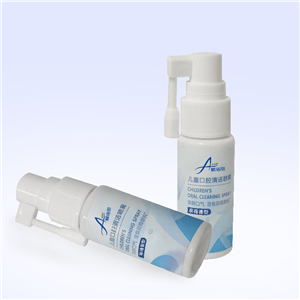
Does Probiotic Mouthwash Balance Oral Flora?
Probiotic mouthwashes help foster a healthier oral microbiome, though their specific effectiveness depends on the product's formulation, the probiotic strains included, product quality, and the individual's oral health status. While probiotic mouthwashes hold great promise as a microbiome-targeted care solution, prebiotic mouthwashes employ a different mechanism to support beneficial microorganisms. For consumers, the most practical approach is to incorporate a suitable mouthwash into a comprehensive oral care routine rather than viewing it as a "cure-all" standalone solution. Maintaining good oral hygiene and seeking professional dental advice for persistent issues remain essential for long-term oral health.
29-07-2026 -
Does Mouthwash Remove Tartar Buildup?
The chemical bonds between calculus and enamel are too strong for any rinse to break. However, a strategically selected mouthwash (whether antibacterial, fluoride, natural, or probiotic) can significantly delay the formation of new deposits when used consistently with proper brushing and flossing. The most evidence-backed strategy is a dual approach: mechanical disruption via sonic brushing plus chemical interference via an anti-calculus mouthwash. Always consult your dentist for personalized advice, and never delay a cleaning appointment in hopes that a bottle will solve the problem.
28-07-2026 -
Does Mouthwash Permanently Cure Bad Breath or Just Mask It?
Antimicrobial mouthwash targets breath problems at their bacterial origin. Ingredients including chlorhexidine, cetylpyridinium chloride, and essential oils penetrate oral biofilms and reduce populations of odor-producing bacteria. This bacterial reduction diminishes volatile sulfur compound production at its source.
26-03-2026 -
Does Mouthwash Help Reduce the Viral Load in the Oral Cavity?
The mouth's complex ecosystem includes mucosal surfaces, salivary glands, and periodontal pockets—all potential viral reservoirs. Viruses replicate in oral tissues and shed into saliva, creating ongoing transmission risk and potential for autoinoculation to other body sites. Reducing this viral burden offers theoretical benefits for both individual health and public health.
25-03-2026 -
Can Mouthwash Prevent Tooth Decay in High-Risk Patients?
High caries risk describes individuals with factors increasing decay susceptibility. These include reduced salivary flow, existing restorations, orthodontic appliances, dietary habits featuring frequent fermentable carbohydrates, and medical conditions compromising oral health. These patients require enhanced preventive measures exceeding basic brushing.
24-03-2026 -
How Long Should You Swish Mouthwash for Maximum Benefits?
Active ingredients in therapeutic mouthwash require adequate contact with oral surfaces to achieve their intended effects. Antimicrobial agents need sufficient time to penetrate bacterial cell membranes, fluoride requires exposure for enamel incorporation, and breath-freshening compounds must interact with malodor molecules. Rinsing too briefly undermines these mechanisms.
23-03-2026 -
Can Mouthwash Reverse Early Stages of Gum Disease?
Mouthwash can indeed contribute to reversing early-stage gum disease when selected appropriately and used correctly. Therapeutic antimicrobial mouthwash reduces bacterial triggers, while probiotic mouthwash offers emerging ecological approaches.
20-03-2026 -
Is Mouthwash Actually Effective for Reducing Dental Plaque?
Dental plaque—the sticky biofilm constantly forming on teeth—represents the primary cause of cavities and gum disease. Millions of consumers incorporate mouthwash into their daily routines hoping to control this microbial buildup. But does rinsing actually deliver meaningful plaque reduction, or is it merely cosmetic?
19-03-2026